
Last updated November 15, 2026
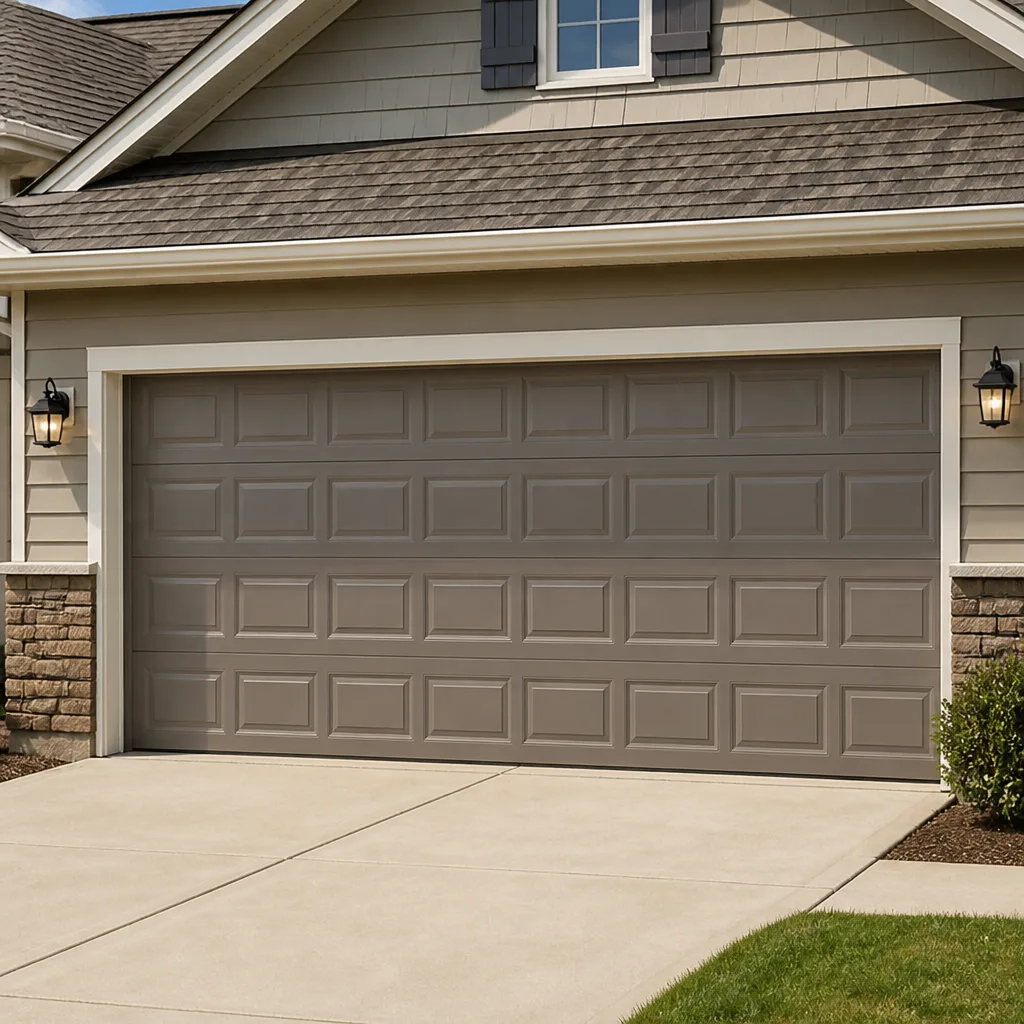 Raised-panel steel
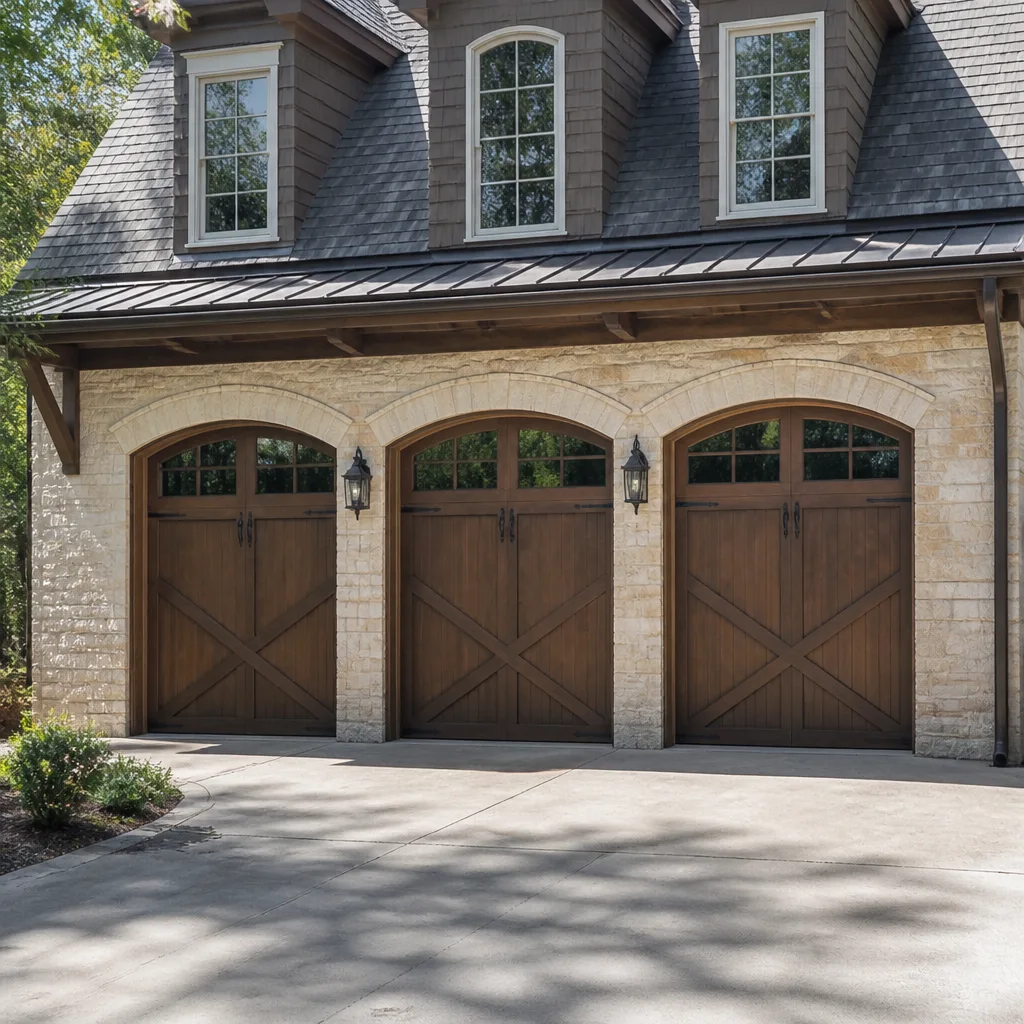 Carriage house
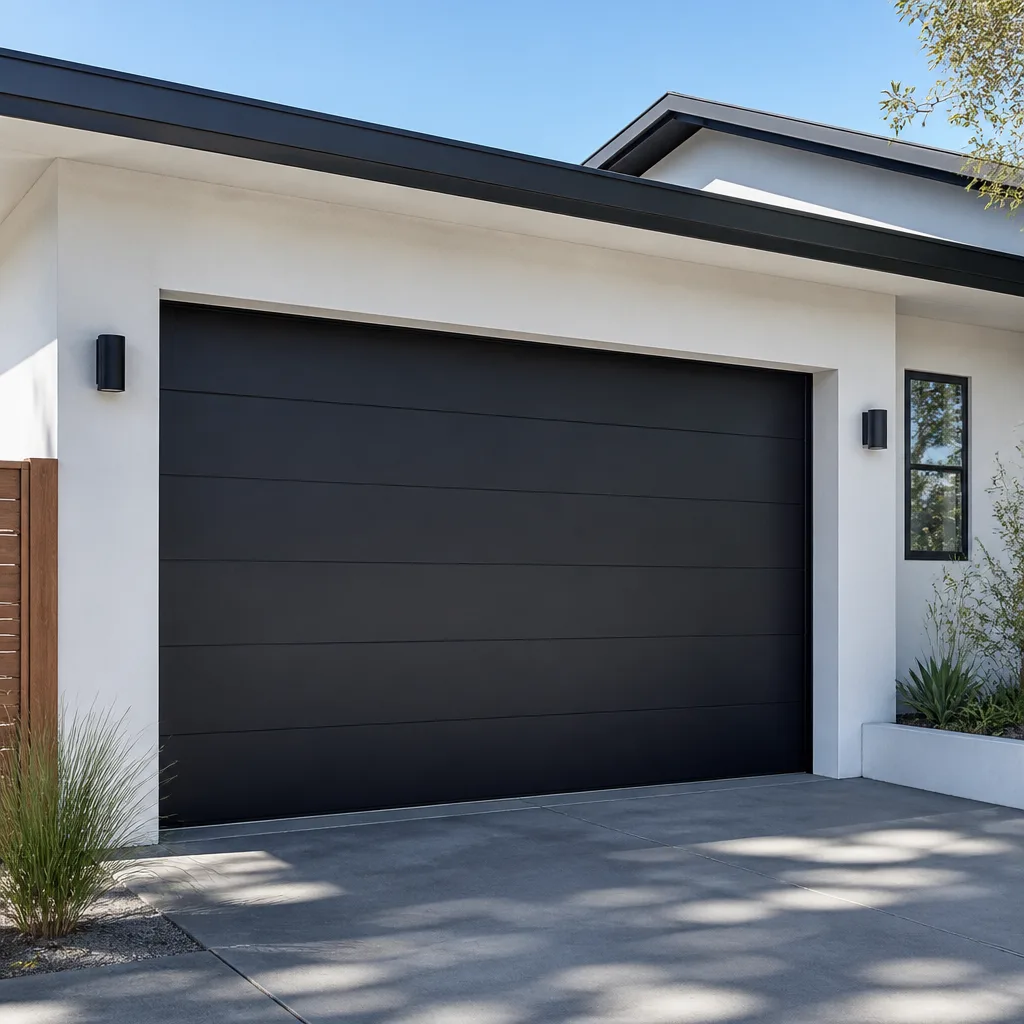 Modern flush
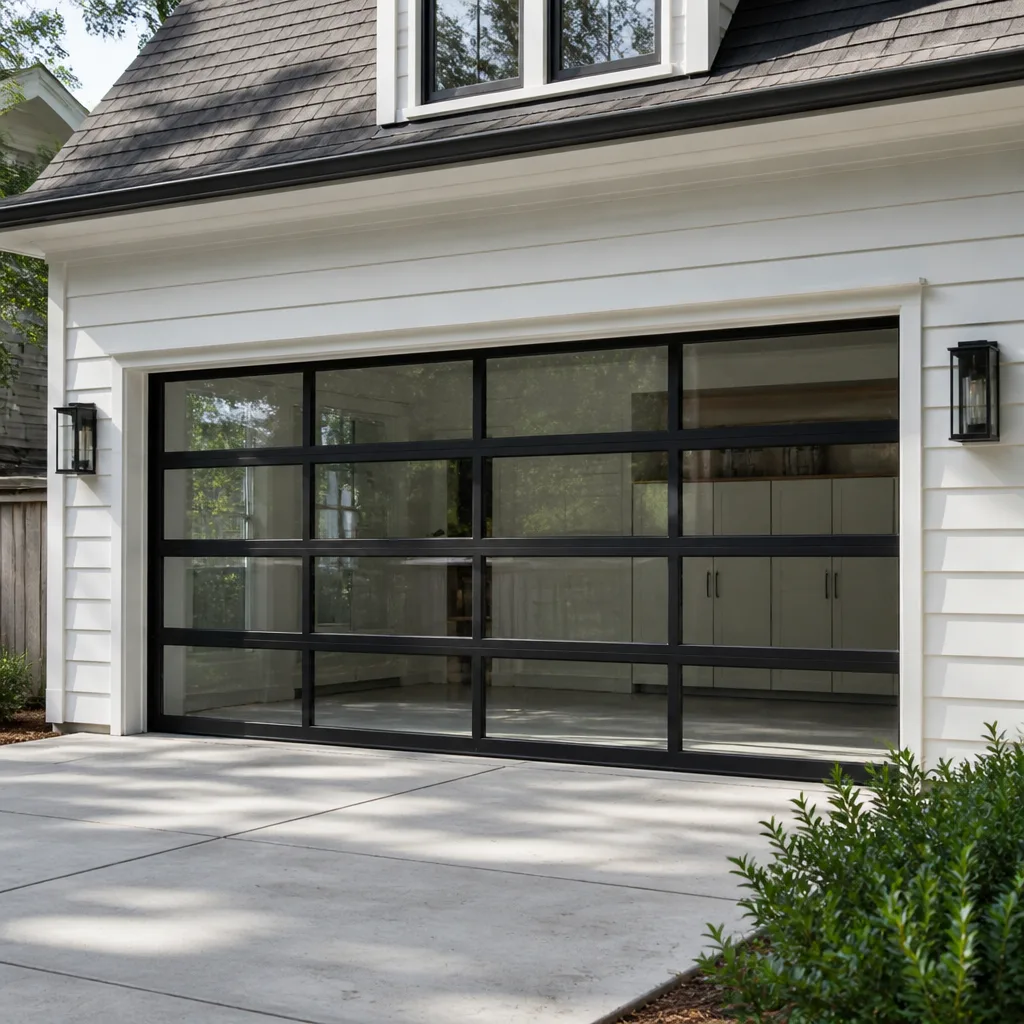 Full-view glass
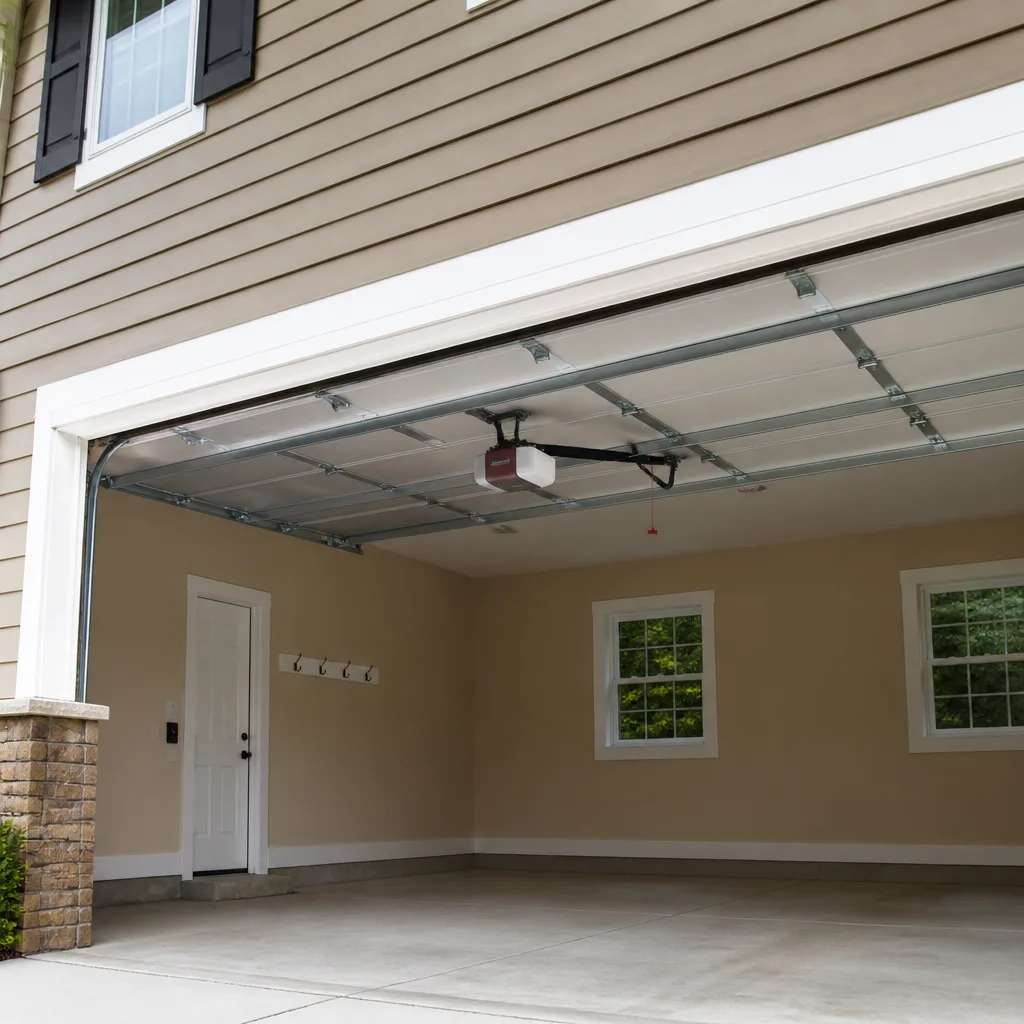 LiftMaster openers
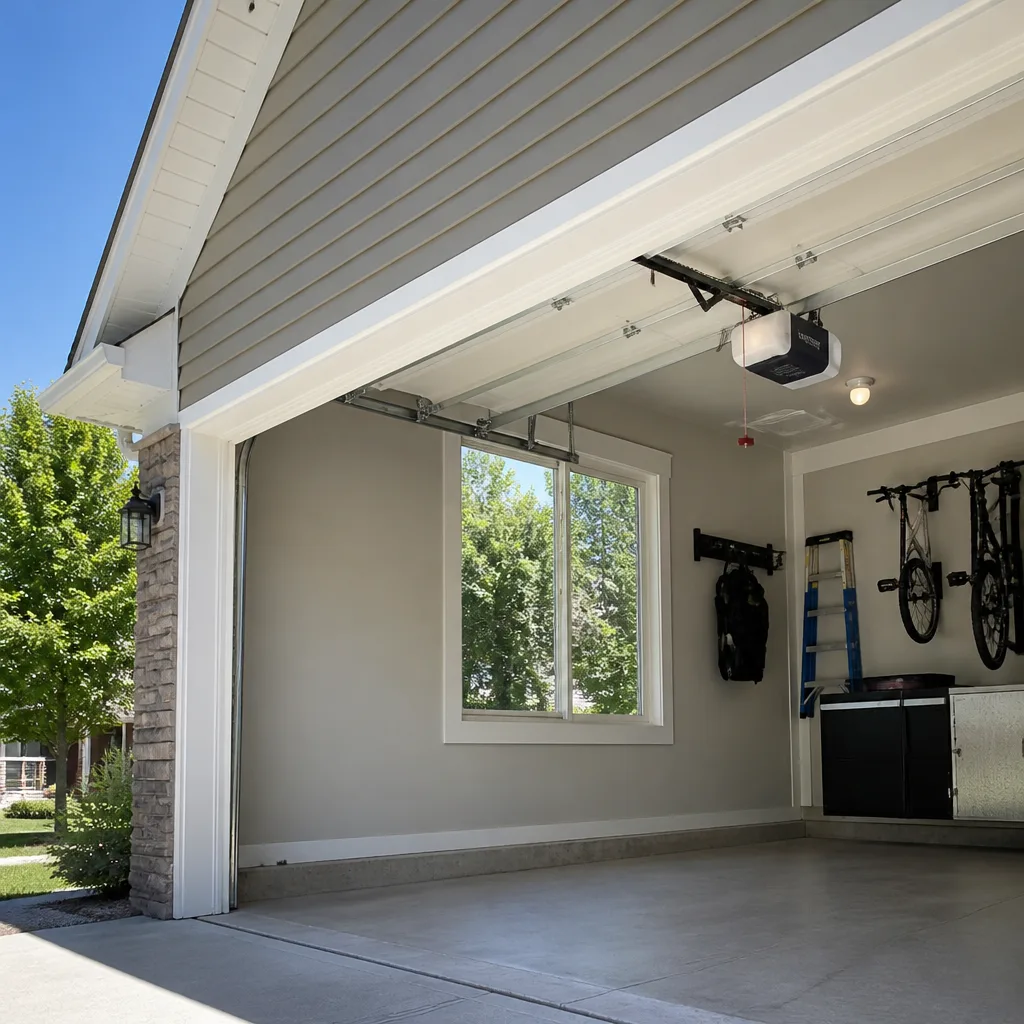 Chamberlain openers
Full 25-point door and opener safety check with every visit - springs, cables, rollers, tracks, and your LiftMaster or Chamberlain opener included
You get a price before we start. It does not change when the pro arrives.
Get your free estimateGarage Door Emergency Preparedness Guide for Colorado Springs Homes
Most garage door emergencies aren’t caused by a door that suddenly fails. They’re caused by a homeowner who never practiced the 30-second manual release procedure before the power went out. When a blizzard knocks out electricity across Colorado Springs, or a hailstone jams a panel in its track, the difference between getting your car out in two minutes and waiting half a day is preparation, not luck. This guide covers the five scenarios that account for most emergency calls we see in Colorado Springs: manual override procedures, operating a door with a broken spring, winter freeze-ups, pre-storm checks, and what to do when a panel is damaged mid-operation.
Quick Answer
Every garage door opener sold in the United States is required to have a manual release, usually a red cord hanging from the trolley. If you know where that cord is and how to pull it under tension, you can open a dead door by hand in under a minute. The real question is whether you’ve practiced it, and whether your door is light enough to lift safely without one. This guide walks through both.
Styles & brands we work with
- Raised-panel steel
- Carriage house
- Modern flush
- Full-view glass
- LiftMaster openers
- Chamberlain openers
Table of Contents
- How Manual Override Works on the Five Most Common Openers
- Operating a Door by Hand When a Spring Breaks
- Winter-Specific Emergencies: Frozen Seals and Ice-Locked Tracks
- The Pre-Storm Checklist for Colorado Springs Homes
- When a Panel Is Damaged Mid-Operation
- Quick Reference: What to Do in the First 60 Seconds
- Common Mistakes to Avoid
- When to Call a Professional
How Manual Override Works on the Five Most Common Openers
The manual release on a residential garage door opener is a pull-cord connected to a trolley arm that engages and disengages the door from the drive mechanism. Every opener made by LiftMaster, Chamberlain, Genie, and Craftsman uses the same basic design, though the cord’s location and the release tension vary. Here’s how the procedure runs on the models we see most often in Colorado Springs homes.
LiftMaster and Chamberlain (myQ Series)
Look for a red handle hanging from the trolley carriage, which sits on the rail about a foot behind the door’s top section when the door is closed. With the door fully closed, pull the cord straight down and toward the motor housing until it clicks. The trolley disengages. From that point the door is under manual control only, and you can lift it by the handle at the bottom.
Genie (Chain and Belt Drive)
Genie’s release cord hangs from the carriage in the same general position, but the engagement mechanism uses a slightly stiffer spring. Pull down firmly and slightly toward the door, not straight down. On Genie Aladdin Connect models, the cord is identical to the mechanical version; the smart features don’t change the release design.
Craftsman (Legacy and Current)
Craftsman openers use a nearly identical design to Chamberlain models since both come from the same manufacturing lineage. The cord hangs from the trolley, and the same pull-click procedure applies.
Wayne Dalton iDrive (Wall-Mount)
Wall-mount openers have no overhead rail or trolley, because the motor drives the torsion bar directly. The release on these is a small lever near the motor, and the procedure differs, so check the panel on the motor housing for the release instructions before you need them.
What Practicing Looks Like
- With the door closed and the opener disconnected from power, locate your release cord and confirm it’s not tangled, wrapped around anything, or shortened.
- Pull the cord once and disengage the trolley.
- Lift the door roughly a foot by hand, then lower it. If it feels heavy or drops on its own, stop and call a technician.
- With the door fully down, re-engage the trolley by running the opener once, or by pushing the trolley back along the rail on most models.
Practicing this on a calm afternoon is the difference between a two-minute car exit and a stress-filled hour when the power’s actually out. If you’re not sure your opener is engaging or disengaging correctly, our garage door opener repair team can check it before the next storm hits.
Operating a Door by Hand When a Spring Breaks
When a torsion spring breaks, the door becomes dramatically heavier. A standard single-car door weighs 130 to 170 pounds; a double-car door runs 150 to 250 pounds. Without a working spring, all of that weight is on you. A two-person lift is the safest way to get the door open by hand for a single exit or entry, and anything above roughly 180 pounds in total door weight crosses into territory where we’d recommend not attempting it at all.
The two-person technique is straightforward but demanding:
- Disengage the opener trolley using the manual release cord.
- One person stands at the center of the door, feet flat, gripping the bottom handle or the bottom lip of the section.
- The second person stands to the side and behind, hands positioned on the panel but not blocking the first person’s grip.
- On a count of three, both lift together, evenly and slowly. The door should travel but will feel heavy.
- The moment it’s up far enough to clear the car, one person holds the door in position while the other props it with a sturdy object.
- Do not force the door higher than needed; the higher it goes without spring tension, the harder it is to hold.
Important safety note: a broken torsion spring leaves the entire door weight on the lift cables, and those cables can snap. Springs and cables are under extreme tension even when they look inert, and a cable that releases under load can cause serious injury. Don’t attempt to touch, cut, or retension a spring or cable yourself. This is a trained technician’s job, and it’s the one repair in the garage door system we tell homeowners never to attempt.
Winter-Specific Emergencies: Frozen Seals and Ice-Locked Tracks
Colorado Springs winters bring freeze-thaw cycles that create two predictable problems. The first is a frozen bottom seal, where the rubber weatherstrip at the base of the door sticks to the concrete. The second is an ice-locked track, where moisture in the vertical or curved sections freezes around the rollers.
Frozen Bottom Seal Protocol
Never pull the door up with the opener when you suspect a frozen seal. The opener will strain, and the bottom section will bend or the seal will tear off the aluminum retainer. Instead:
- Kill the opener at the wall switch or disconnect it if you can reach the plug.
- Mix warm water (not boiling) with a small amount of rock salt or de-icer.
- Pour or spray the mixture along the seal-to-floor line on the outside, working in sections.
- Wait two to three minutes, then try lifting the door by hand at the bottom handle.
- If it lifts freely, close it again and run the opener only once the seal has fully dried.
Ice-Locked Tracks
Ice in the track is harder. Don’t chip at it with a screwdriver or hammer, because that bends the track and strips the roller. Instead, use warm water along the affected track section and let it melt, then dry the track with a rag. Once the door runs freely, check that the rollers are still seated in the channel. If the track has been bent, that’s a repair, not a cleanup job, and it belongs with a garage door repair visit.
Preventing the Refreeze
After any melt, clear snow and standing water from the door’s path. A bead of silicone spray on the bottom seal’s contact edge helps reduce adhesion for the rest of the season. If your bottom seal has visible cracks or has pulled away from the retainer, it’s costing you both weather protection and traction against freezing.
The Pre-Storm Checklist for Colorado Springs Homes
A blizzard or hail event in Colorado Springs is rarely a surprise. The forecasts are usually accurate 24 to 48 hours out. That’s plenty of lead time for these checks.
Before the Storm Arrives
- Test the manual release while it’s calm. Pull the cord, disengage the trolley, lift the door by hand, and re-engage. If the door is heavy or drops when you release it, the spring is losing tension.
- Check the bottom seal. Look for gaps, cracking, or separation from the retainer. A compromised seal lets wind-driven snow and water in during a storm.
- Inspect the tracks visually. Look for bends, loose brackets, or rollers out of the channel.
- Test the safety reverse. Place a roll of paper towels or a 2×4 under the door and close it. The door should reverse on contact. If it doesn’t, that’s a safety system failure.
- Clear the door’s exterior path. Remove shovels, trash bins, or anything that could blow into the door in high wind.
- Back your car out and confirm the door cycles normally before the storm. Finding out the door is stuck when you can’t get to work is a worse morning.
During the Storm: What to Leave Unlocked
If your garage is attached and you use it as an emergency exit route, leave the manual release cord accessible and the pedestrian door between garage and house unlocked from the house side. The wall-mounted opener button should also be reachable. Don’t lock the release cord or zip-tie it out of the way. If power fails, the wall button won’t work, and the release will be your only exit.
After the Storm
Before running the opener, look at the exterior panels for hail dents big enough to catch on the track or panel joints. Run the door once by hand first. If it moves freely, re-engage the trolley and test with the opener. If it binds at any point, stop and call for a diagnosis.
When a Panel Is Damaged Mid-Operation
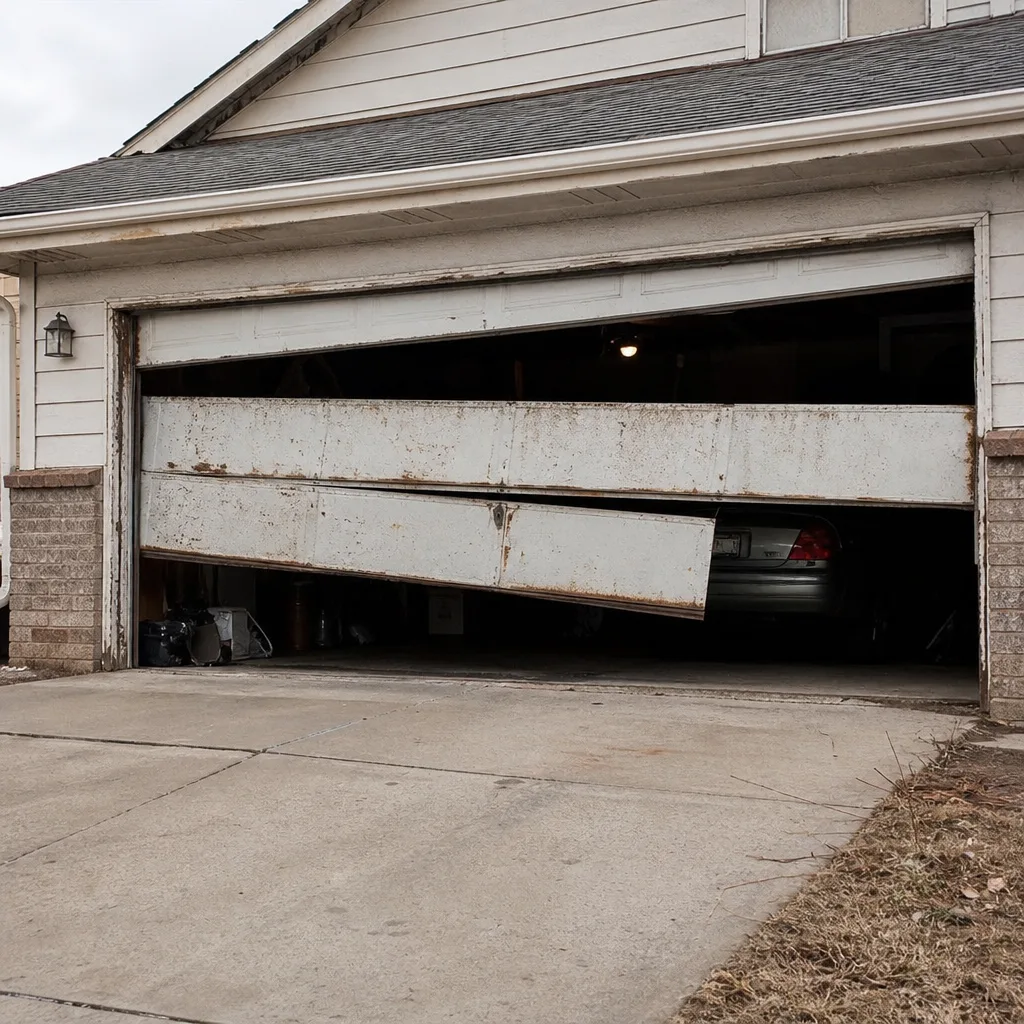
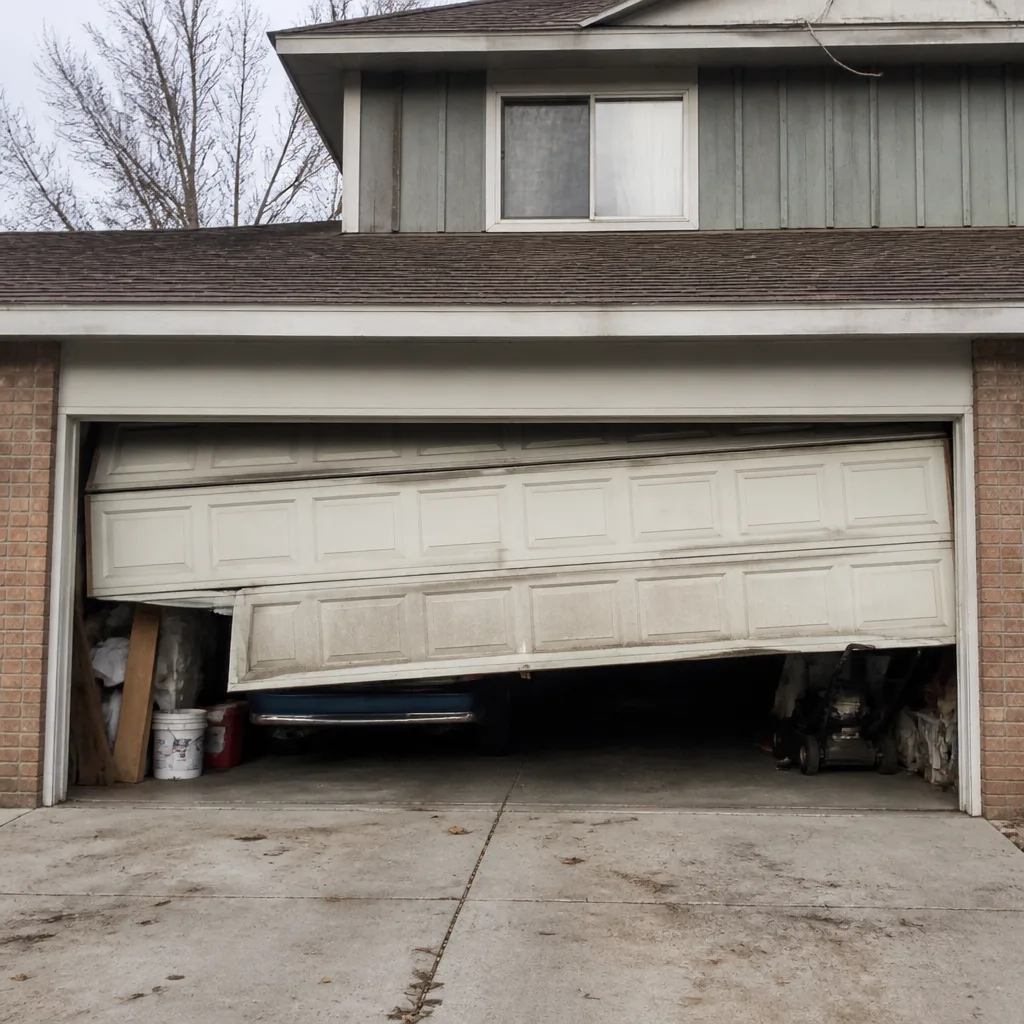
Hail can dent a panel deeply enough that the door jams mid-travel. So can a wind-driven limb. Whatever the cause, a partially open door in January leaves your home exposed to wind, snow, and the obvious security gap. Here’s what to do while you’re waiting for a repair.
First: Get the Door Stable
If the opener is running and the door is stuck, disconnect power at the wall switch. Don’t leave the motor straining against a jammed panel, because that burns out the opener gears and turns a panel problem into a two-part repair. Once power is off, disengage the trolley using the manual release and lower the door by hand if it will travel. If the door is too heavy or the panel is bent into the track, don’t force it.
Second: Secure the Opening Temporarily
If the door won’t lower and the opening stays partly exposed, these temporary measures buy time without making the damage worse:
- Cut a sheet of 6-mil plastic or a tarp to cover the open area, and tape it to the door’s interior frame with construction-grade tape. It keeps weather out and signals that the door isn’t operational.
- Brace the partially open door with two pieces of lumber cut to length, placed on the inside against the bottom section, so it can’t slide down unexpectedly.
- Lock the pedestrian door between the garage and house, and check that your home security system still covers the garage side.
- Park your car outside rather than risk it under an unsupported door panel.
Third: Get the Repair Scheduled
Panel damage needs a proper inspection. A dented panel can usually be replaced section-by-section on doors made by Clopay, Amarr, Wayne Dalton, or Raynor, since those brands sell replacement sections through professional channels. If your door is a discontinued model, panel replacement may not be available and the full door may be the realistic path. That’s a conversation worth having with a technician who knows the brand and its parts availability, not a generalist. For the full-replacement side of that conversation, see our Colorado Springs service page and the installation team behind it.
Quick Reference: What to Do in the First 60 Seconds
When an emergency hits, you don’t want to be reading a paragraph. Here’s the compressed version for a door that won’t operate.
- Check power. Confirm the opener has electricity by testing the wall switch and checking that the circuit breaker hasn’t tripped.
- Disengage. Pull the manual release cord from the trolley. Listen for the click.
- Test by hand. Lift a foot and release. If the door stays up on its own, springs are likely fine. If it drops, a spring has failed.
- Weigh your options. Under 180 pounds of door weight, a two-person lift is feasible. Above that, don’t do it alone.
- Call us. (855) 473-9096. We answer 24/7, and fast dispatch from 7am to 7pm Sunday through Friday gets a technician out during the day.
Keep this list somewhere visible, like taped inside the garage door frame or on the wall near the opener switch. When the lights are out and you’re holding a phone flashlight, you’ll be glad it’s there.
Common Mistakes to Avoid
- Pulling the manual release while the door is open. The trolley disengages and the door can crash down. Always release with the door fully closed.
- Forcing a frozen door up with the opener. The motor will win against the ice, but it will lose to the physics of a bent bottom panel. Melt first, lift later.
- Chipping ice out of the track with a metal tool. A single gouge in the track can strip the roller, and the door will never run smoothly again without a track replacement.
- Ignoring a door that “sometimes” reverses. An intermittent safety reverse failure in a Colorado Springs winter can leave you with a door that closes on a kid or a pet. Test it monthly.
- Lifting a door with a broken spring alone. A 200-pound door on failed tension can slip, and the cable that’s holding it may be closer to failure than you can see. This is a two-person job at minimum, and above the safe weight, it’s a technician’s job.
- Assuming a dented panel just needs a new opener part. A dented panel jams the door in the track, and replacing the opener won’t fix a bent panel. Diagnose before you replace.
- Leaving the manual release cord zip-tied or shortened. It gets in the way when the door runs normally, but a shortened cord you can’t reach is useless in a blackout. Leave it hanging at its designed length.
When to Call a Professional
Call a technician in these specific situations: a spring has visibly snapped or the door drops when released mid-lift; the door is over 180 pounds and needs lifting without spring tension; a panel is visibly bent into the track; the opener runs but the door doesn’t move; the track has an obvious kink; or your safety reverse test fails and the door won’t reverse on contact. Springs and cables are the one part of the system we ask homeowners not to touch. Those components are under extreme tension, and a cable that releases can cause serious injury. The other repairs are inconvenient but not dangerous. Springs and cables are dangerous even when the door looks inert.
Westbrook Garage Door Repair offers free estimates in Colorado Springs – call (855) 473-9096. Our technicians have up to 11 years of experience across LiftMaster, Chamberlain, Genie, Clopay, Amarr, Wayne Dalton, Craftsman, and Raynor systems, so the diagnosis covers your door and your opener together rather than bouncing you between two contractors.
See the difference
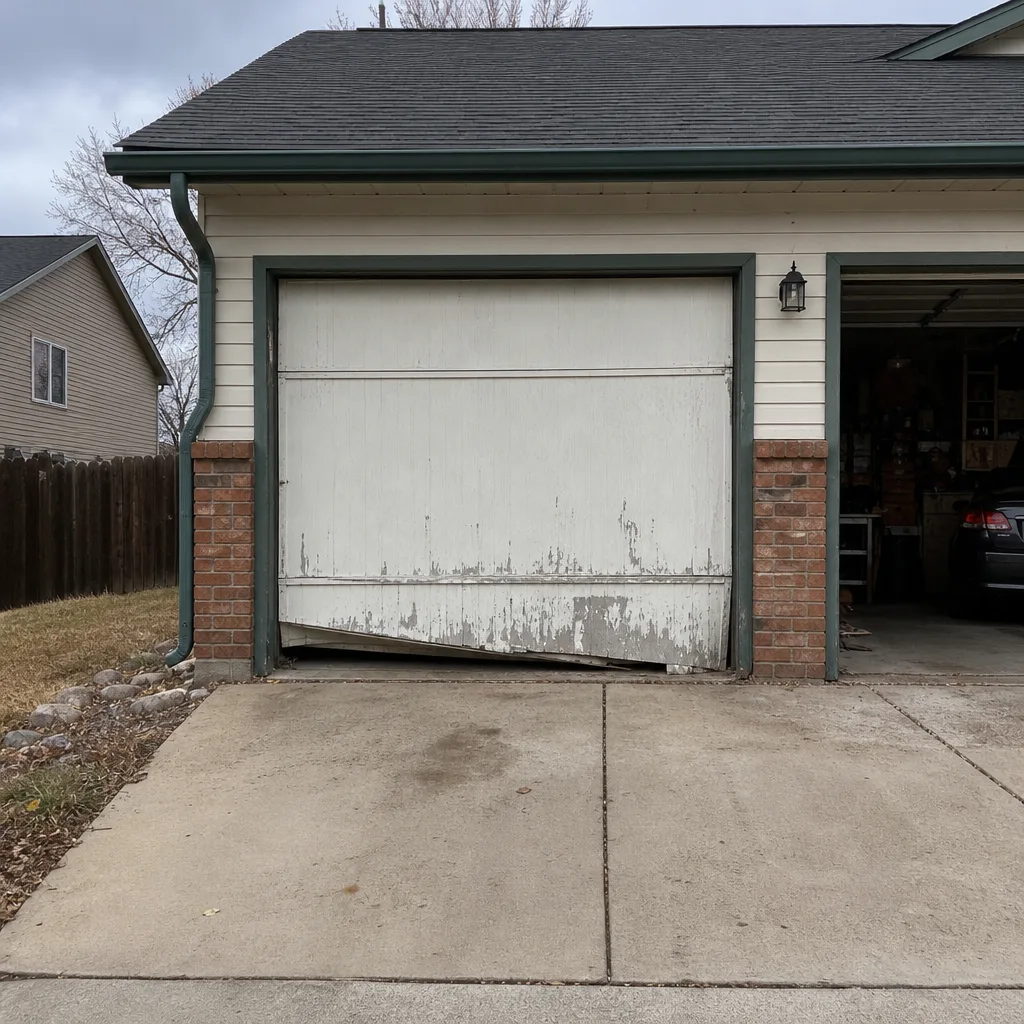 Before
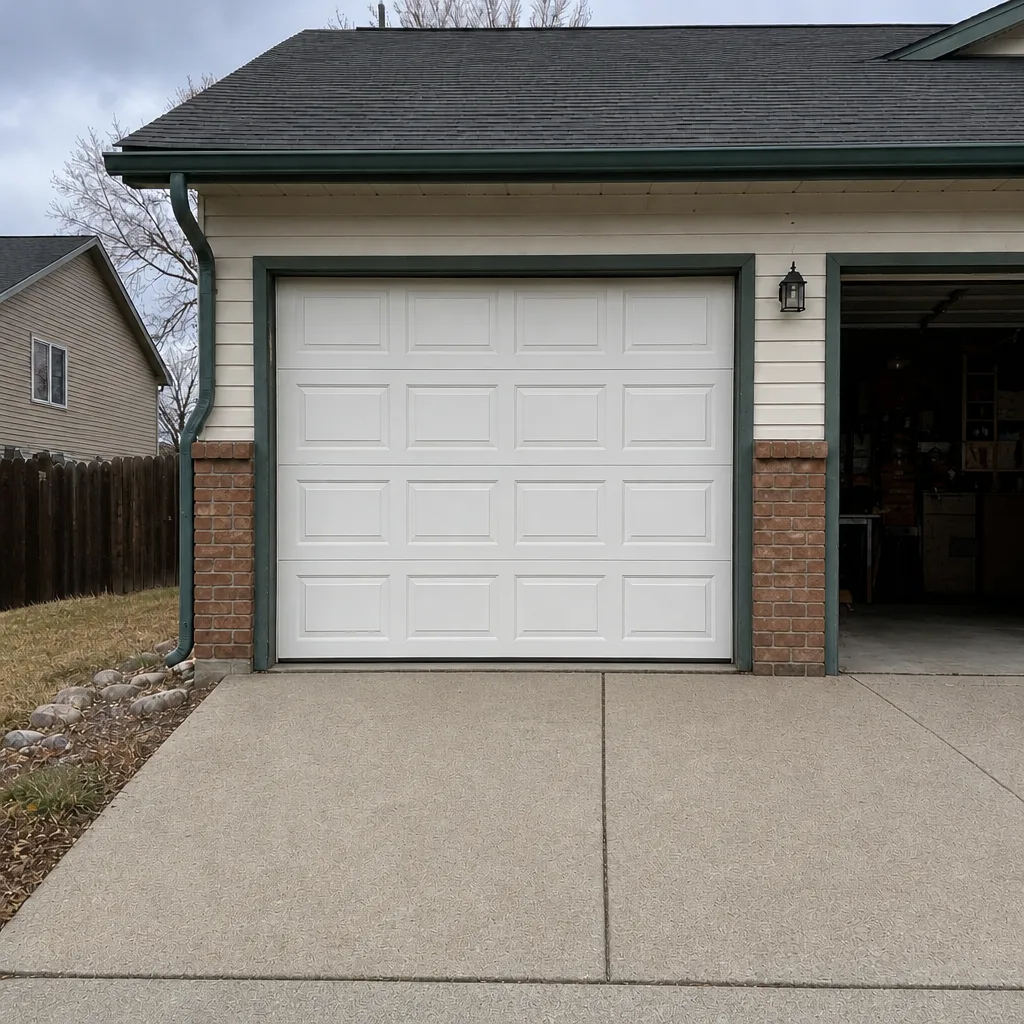 After
 Before
 After
 Before
 After
Frequently Asked Questions
Yes, on nearly every residential opener made by LiftMaster, Chamberlain, Genie, and Craftsman, and on most wall-mount Wayne Dalton models. Pull the manual release cord from the trolley to disengage the drive, then lift the door by the bottom handle. Practice once before you need it. If the door feels heavy or drops when you release it, stop and call a technician; that usually means a spring has failed.
A standard single-car door weighs 130 to 170 pounds, and a double-car door runs 150 to 250 pounds. Without a functioning spring, all of that weight comes onto whoever is lifting it. Two people can manage many single-car doors safely, and the safe ceiling for a two-person lift is around 180 pounds total door weight. Above that, don’t attempt it. Call (855) 473-9096 and we’ll get a technician out with the right tools.
Never run the opener on a suspected frozen door. Kill the opener at the switch, then use warm water (not boiling) along the seal-to-floor contact line to release the rubber weatherstrip. Once the door lifts freely by hand, dry the seal and clear standing water. If the track is iced, melt with warm water rather than chipping, and dry the channel before running the door. For a door that’s been frozen repeatedly, a new bottom seal usually solves the problem permanently.
No. Torsion springs and the cables that run alongside them are under extreme tension even when they look completely relaxed, and they can cause serious injury if they release unexpectedly. This is also the one part of the system where incorrect installation damages the door. Hire a trained technician. Our team works on springs, cables, rollers, tracks, and openers as one system, so the diagnosis comes with the repair.
Clopay, Amarr, Wayne Dalton, and Raynor all offer replacement door sections through professional channels, which means most damage on doors from these brands can be repaired panel-by-panel. That’s part of why we work with those brands specifically. If your door is older or a discontinued model, our technicians can tell you whether a section is available before you commit to a full replacement. Call (855) 473-9096 for a free estimate.
Start with power, then the release. Confirm the wall switch and opener have electricity and that the breaker hasn’t tripped. If power is fine, look at the release cord: if the trolley is disengaged, re-engage it by running the opener once. If the opener runs but the door doesn’t move, or the door runs but sticks intermittently, that’s an opener or door-system diagnosis. Fast dispatch from 7am to 7pm, Sunday through Friday, gets a technician out to look. Call (855) 473-9096.
What Happens When You Call Westbrook
When you call us with a stuck or failed door in Colorado Springs, the conversation starts with a few questions to sort the emergency level. Which brand is the door and which is the opener? Is the door currently open, closed, or stuck partway? Has the spring visibly snapped? These questions decide whether you need emergency service today or a scheduled estimate. On spring and panel failures, our technicians come prepared with brand-matched parts for LiftMaster, Chamberlain, Genie, Clopay, Amarr, Wayne Dalton, Craftsman, and Raynor, so a universal-fit workaround doesn’t void the manufacturer warranty on your door.
The written estimate sets the price before work starts. Every repair is quoted and agreed before any technician touches the door. That’s the fair way to handle a stressed homeowner whose car is trapped in the garage at 7 a.m.
If the damage is significant enough that replacement makes more sense than repair, we handle that too. We install Clopay, Amarr, Wayne Dalton, and Raynor doors through the same team that diagnoses openers and springs, so a repair or a full replacement runs through one point of contact. From broken spring to brand-new door, the relationship doesn’t need a second contractor.
The Bottom Line
Garage door emergencies in Colorado Springs follow predictable patterns: blizzard power outages, hail-dented panels, frozen seals, and spring failures in the cold. The preparation is simple. Know where your manual release cord is, practice pulling it once when nothing’s wrong, keep the bottom seal in good shape, and don’t lift a door you shouldn’t be lifting. Springs and cables are the one part of the system to leave alone. The rest is homeowner knowledge that saves an emergency call and a stuck car. For anything with a spring, a bent track, or a jammed panel, call a technician who knows the brand. Call (855) 473-9096 for a free estimate. We answer 24/7, and fast dispatch runs from 7am to 7pm, Sunday through Friday, so getting an appointment isn’t the hard part of a stormy morning.
For the full range of services behind this guide, visit Westbrook Garage Door Repair.
Written by the team at Westbrook Garage Door Repair.