
Last updated November 15, 2026
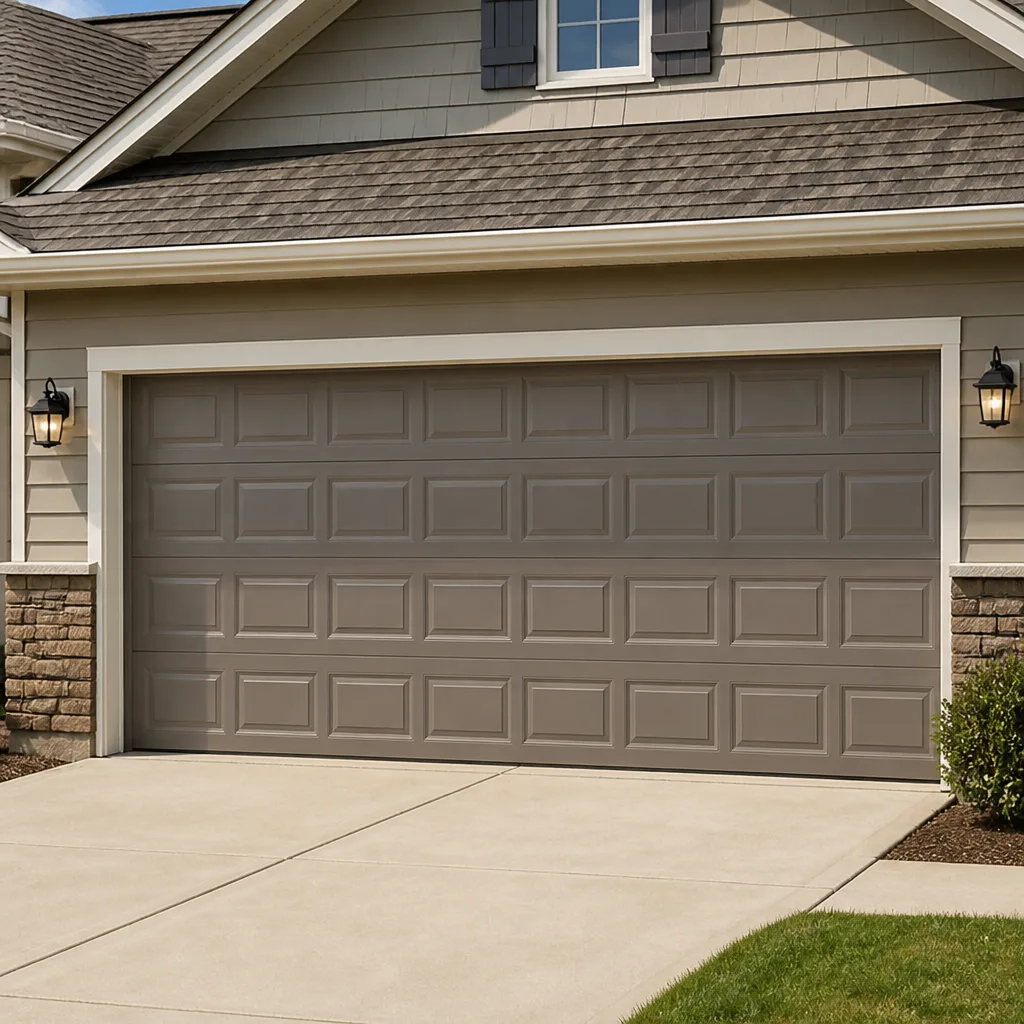 Raised-panel steel
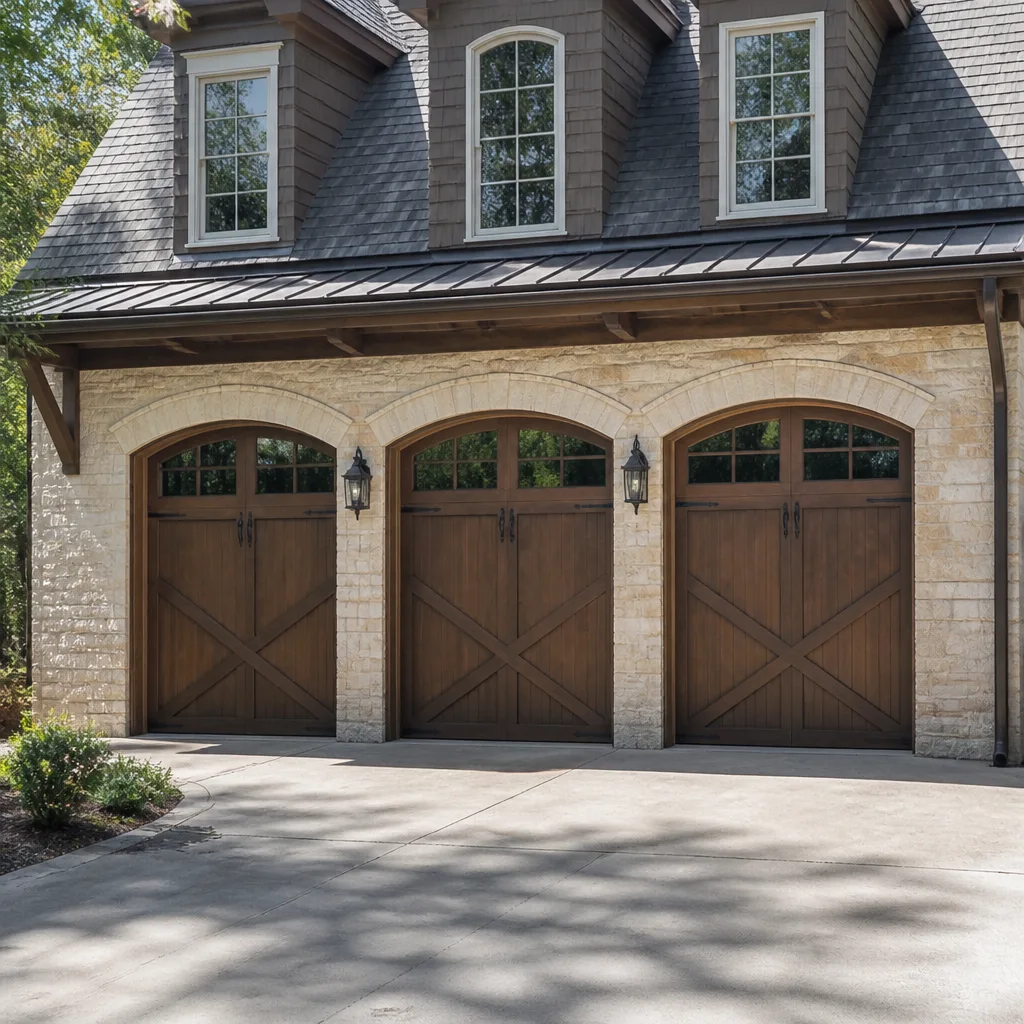 Carriage house
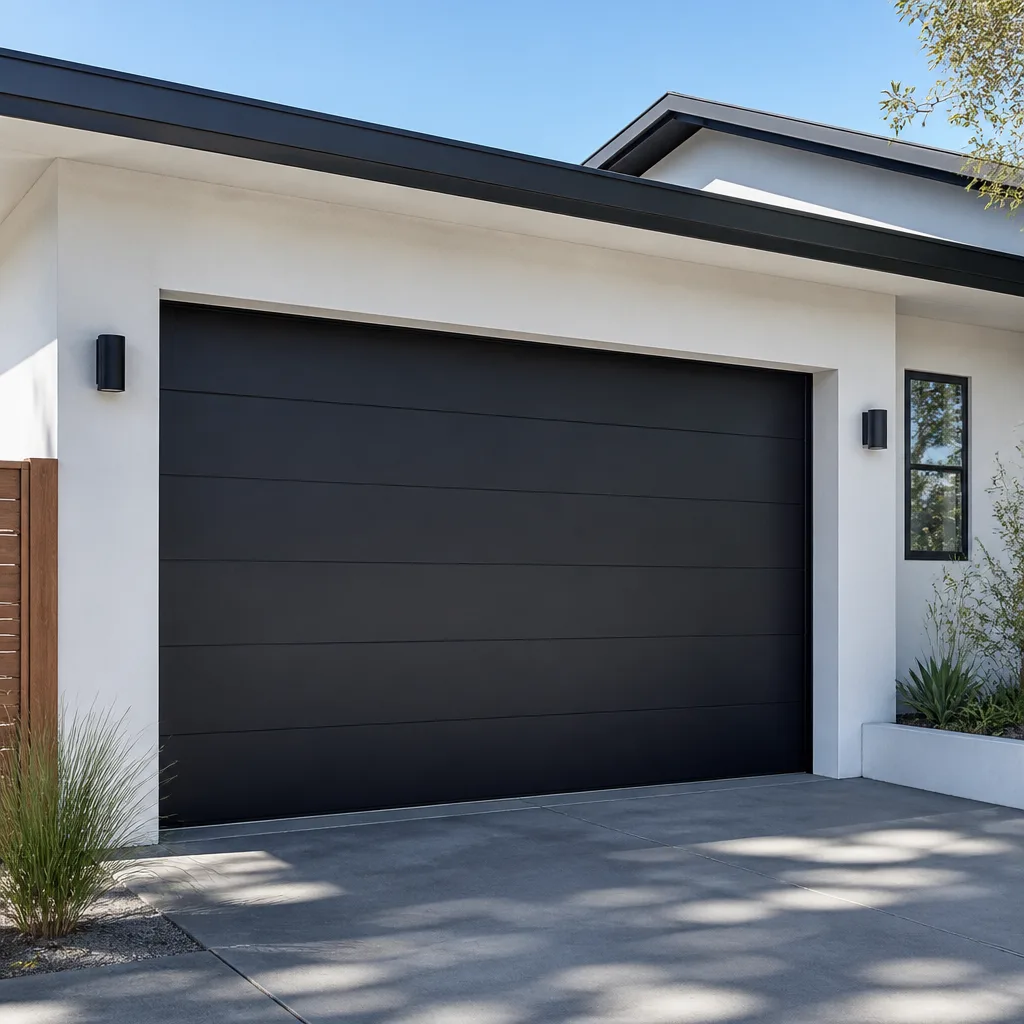 Modern flush
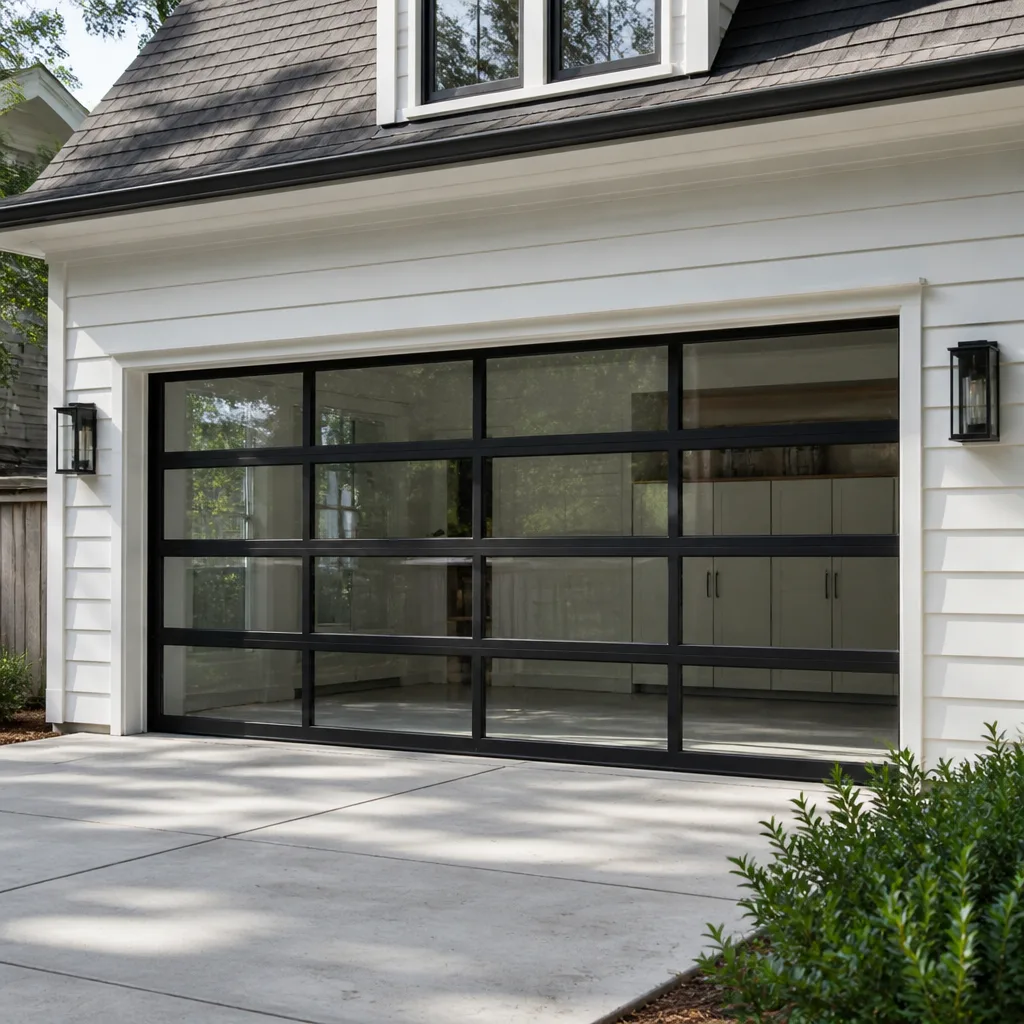 Full-view glass
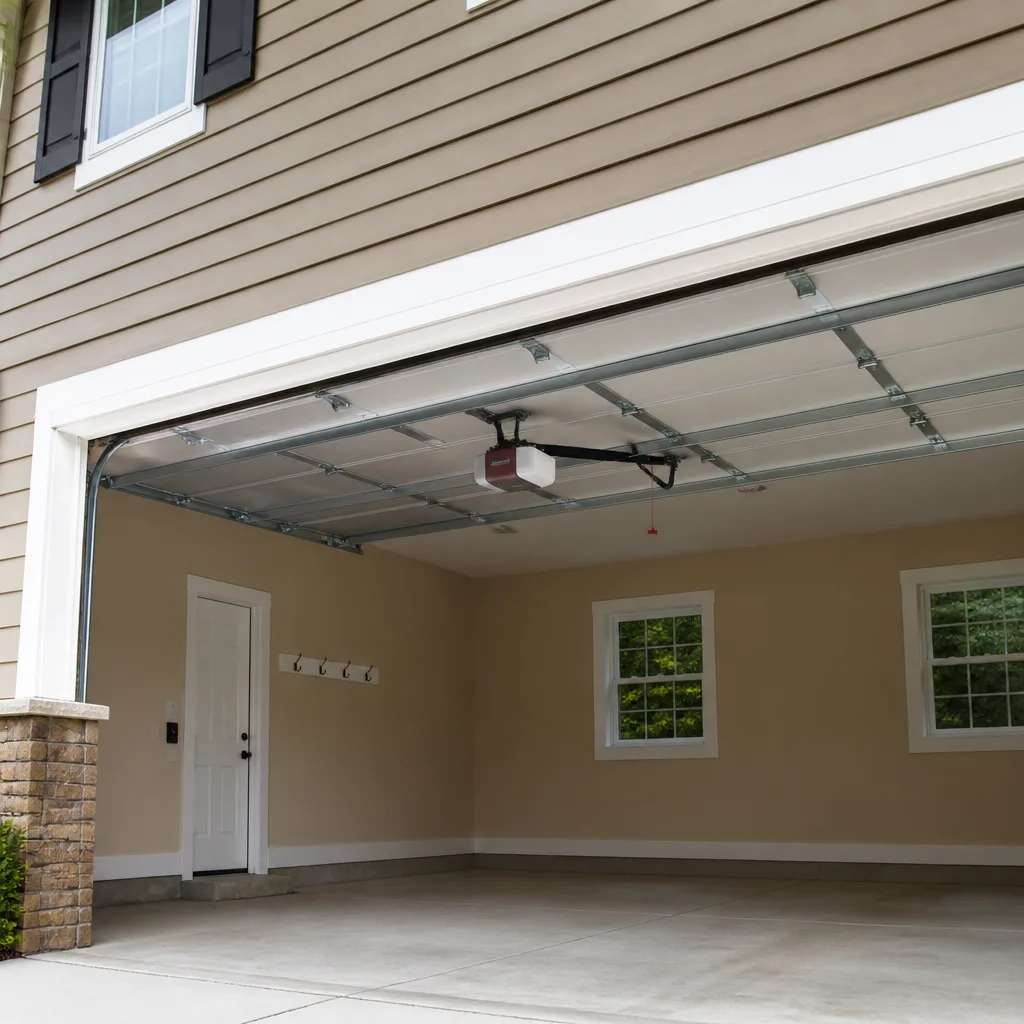 LiftMaster openers
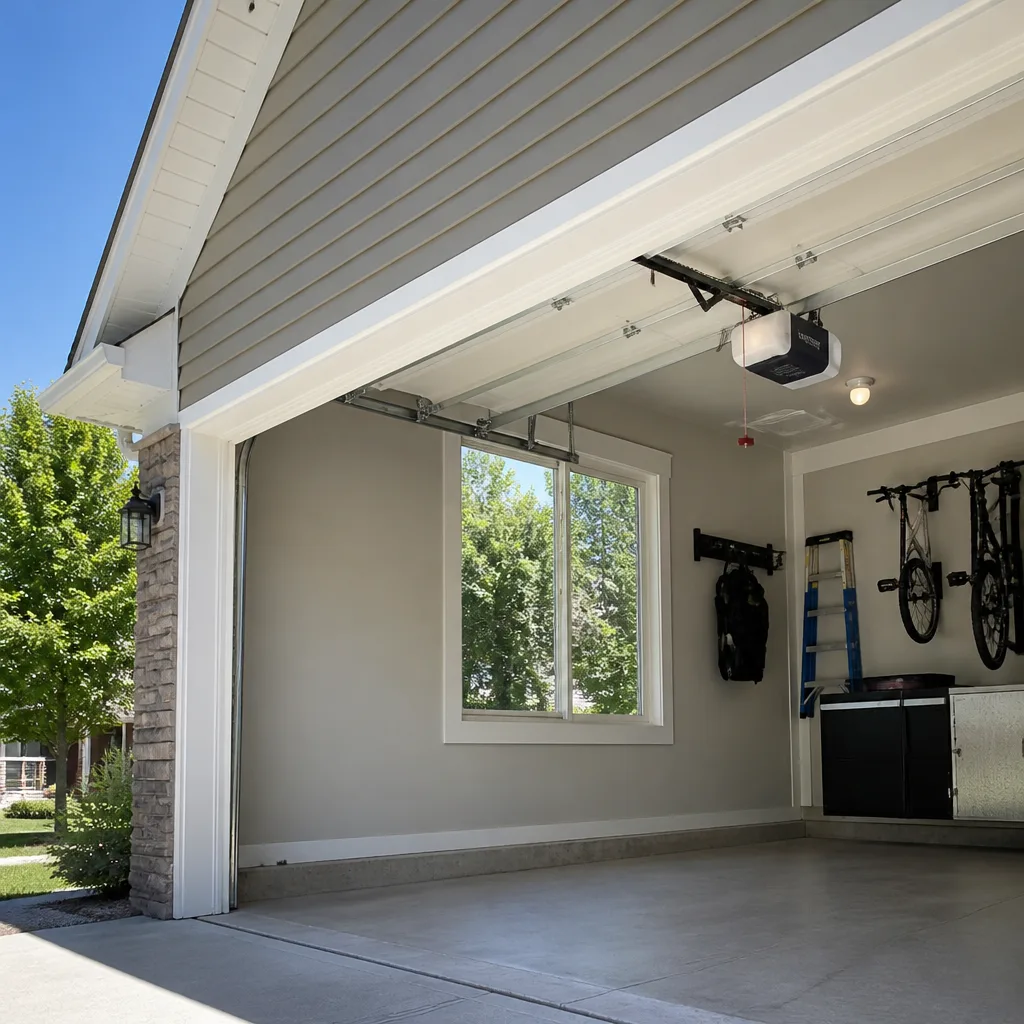 Chamberlain openers
Full 25-point door and opener safety check with every visit - springs, cables, rollers, tracks, and your LiftMaster or Chamberlain opener included
You get a price before we start. It does not change when the pro arrives.
Get your free estimateGarage Door Repair Maintenance Checklist for Colorado Springs Homeowners
The number-one cause of mid-winter garage door failure in Colorado Springs isn’t a broken spring. It’s a bottom seal that hardened and cracked back in October and was never replaced. Once that seal stops flexing, cold air pools at floor level, moisture collects around the track hardware, and by the first hard freeze the whole assembly is locked solid. Most maintenance checklists you’ll find online were written for mild climates, and they miss this completely. This guide is built backward from the calls we actually get in Colorado Springs, organized around the local failure calendar: pre-hail-season, pre-freeze, and post-snowmelt. Read it once and you’ll know exactly what to check, when, and what to leave to a technician.
Quick Answer
A garage door maintenance checklist for Colorado Springs should follow three seasonal checkpoints: a spring inspection before hail season, a seal-and-lubricant pass before the first hard freeze, and a full hardware and opener recalibration after snowmelt. The tasks that matter most are bottom-seal condition, cold-rated lubricant on springs, rollers and hinges, and annual calibration of your opener’s force, travel limits and auto-reverse sensitivity. Everything else is secondary.
Styles & brands we work with
- Raised-panel steel
- Carriage house
- Modern flush
- Full-view glass
- LiftMaster openers
- Chamberlain openers
Table of Contents
- The Colorado Springs Seasonal Failure Calendar
- Pre-Hail-Season Checklist: What to Do Before June
- Pre-Freeze Checklist: Seals, Weatherstripping and Cold-Weather Lubricant
- Post-Snowmelt Checklist: Hardware, Tracks and Cable Drums
- The Three Opener Settings That Drift Out of Spec
- What a Technician Looks For on a Cable Drum
- The Five-Minute Monthly Walk-Around
- When to Call a Professional
The Colorado Springs Seasonal Failure Calendar
Garage doors in Colorado Springs don’t fail evenly across the year. They fail in clusters, and those clusters map to the weather. Understanding the calendar is the difference between maintenance that prevents breakdowns and maintenance that just keeps you busy.
Here’s how the year actually breaks down for a door on the north side of town, or anywhere in Colorado Springs where the door faces away from the afternoon sun:
- March through May: Thermal cycling season. Doors expand and contract through big day-to-night temperature swings, and fasteners work loose. This is when you’ll notice rattles that weren’t there in February.
- June through August: Hail season. A door panel is a large, flat, exposed target. Dents and cracked panel skins are the most common summer damage, and they’re not always cosmetic.
- October through November: The seal window. This is the critical one. Bottom seals and weatherstripping that spent the summer drying out under UV light hit their first hard freeze here. If they’re going to crack, they crack now.
- January through February: The freeze-lock window. Cold air pools at floor level, moisture freezes around the track hardware, and rollers bind. Doors that passed December fail in January.
- April through May: Snowmelt and grit. Meltwater carries sand and road grit into the tracks and onto the rollers, and the opener strain shows up right after.
The takeaway: your two most important maintenance passes fall in late spring and early fall. Everything else is minor upkeep in between. This is why we treat garage door repair as seasonal work rather than as a list of parts to swap.
Pre-Hail-Season Checklist: What to Do Before June
The pre-hail pass is mostly about the door itself, not the mechanism. Inspection is quick, and it catches loose fasteners and aging seals before the storm season stress-tests them.
- Open and close the door slowly and listen. A rhythmic click, a scrape, or a groan that wasn’t there last fall points to a specific component. Track the sound to its closest hardware.
- Check every hinge bolt and the track brackets. Thermal cycling from the spring months loosens these. A loose bracket lets a roller jump, and the panel edge is what pays for it.
- Look at the panel skins from a low angle. Hail damage reads as a shallow wave in the reflection. If your door is a Clopay or Amarr panel, note the model so any future replacement matches.
- Test the balance. Disconnect the opener and lift the door halfway. It should hold roughly in place with light effort. If it drops fast, the spring tension is off, and that’s a technician call, not a homeowner adjustment.
- Cycle the auto-reverse. Place a roll of paper towels flat on the ground under the door and close it. It should reverse on contact. If it doesn’t, stop using the door until it’s fixed.
- Photograph the hardware. A phone photo of the springs, drums and hinges makes any later phone call faster, and it shows a technician what they’re walking into.
Once per year we also recommend cleaning the track channels and wiping the rollers. Grit is the quiet killer of smooth operation, and Colorado Springs dust gets into everything.
Pre-Freeze Checklist: Seals, Weatherstripping and Cold-Weather Lubricant
This is the pass that prevents the call. It runs from October into early November, and it has two jobs: fix the seals before they fail, and get the right lubricant on the moving parts before the first hard freeze.
Inspecting the bottom seal and weatherstripping
A bottom seal that looks fine from inside a warm garage can already be compromised. Feel along the whole seal with your hand, top and bottom, for stiffness. A healthy seal flexes and springs back. A seal on its way out feels hard, and it’ll be brittle at the corners. Look for fine cracks at the seal’s inner lip and along the top edge of the perimeter weatherstripping. Cracks that look like surface lines in October become splits in January, and that’s when cold air starts pooling against a closed door.
Why standard white lithium grease fails below 0°F
Most white lithium grease is built for moderate climates. Below freezing, and especially in the single digits and below, it thickens to a tacky paste. That drag raises the load on the opener and binds the rollers. What you want for a Colorado Springs winter is a cold-rated lubricant: a synthetic low-temperature grease or a silicone-based lubricant that stays fluid through the negatives. Apply it to the springs, rollers, hinges and the pivot points, lightly and never on the tracks. Dry or greasy tracks collect grit, and a dirty track is worse than a dry one.
Sealing the closure gap
With the door closed, check that the bottom seal contacts the floor across the whole width. Gaps at the corners or one side are the entry point for both cold air and snowmelt. If the concrete has settled or the door sits slightly uneven, ask about a threshold seal.
Post-Snowmelt Checklist: Hardware, Tracks and Cable Drums
Snowmelt runs grit into the parts you can’t easily see, and that’s the theme of the spring pass. It’s also the point where a component that survived winter on borrowed time starts to fail visibly.
- Tracks: Wipe out the channels and check for dents or a growing bend at the curve. A frozen roller hit once with force is enough to kink a track, and a kinked track grinds the roller edge every cycle after that.
- Rollers: A worn roller is flat and has play in its housing. Letting a flat roller ride a track wears the track itself.
- Cables: Look for fraying or loose strands. If a cable is damaged, don’t operate the door; a failing cable is one of the two genuinely dangerous parts of a garage door.
- Springs: Coils should be uniform. A stretch where one coil sits higher is a sign of fatigue.
- Fasteners: Cold weather works bolts loose. Recheck hinges, brackets and the opener’s mounting points.
- Balance and auto-reverse: Run both tests again from the pre-hail list. A winter of cycling can change the numbers.
For most Colorado Springs homeowners, this is the pass worth booking with a technician. The hardware is inspected properly this way, and any cable or spring concern gets addressed before it becomes a stuck door. If you’d rather do the visual checks yourself first, that’s fine; just don’t put your hands near a cable that looks damaged.
The Three Opener Settings That Drift Out of Spec
Your opener’s settings don’t break. They drift. Extreme temperature cycling changes the physical effort the opener has to overcome, and the settings it learned last spring are moving parts, not constants. Three settings need annual attention, on any brand, whether it’s a LiftMaster, a Chamberlain, a Genie, or a legacy Craftsman unit:
- Travel limits. These set where the door considers fully open and fully closed. When they slip, the door stops short or presses hard into the floor. The force of that press shortens seal life and strains the panels.
- Force setting. This is how hard the opener pushes. It’s meant to be set to the load a healthy door needs, not to get a dragging door moving. If your force setting had to be raised to get the door to close, the real problem is in the hardware, not the opener.
- Auto-reverse sensitivity. The safety setting. It should reverse on contact with a low obstruction. If it doesn’t, test again with a lighter object. If it still fails, treat the door as unsafe until it’s serviced.
On smart openers, force and travel calibration usually live in the app on the myQ or Aladdin Connect platform. The safety setting can be checked on the unit itself. Recalibrating once a year takes a trained technician a few minutes, and it catches the drift before it shows up as a door that fires and immediately reverses.
What a Technician Looks For on a Cable Drum
The cable drum is the part most DIY inspections miss entirely. It’s the grooved spool at each end of the torsion shaft that the cable winds onto as the door opens and off as it closes. It’s quiet, small, and the single most reliable early warning of a cable or spring problem.
Here’s what a trained eye checks:
- Cable seating in the grooves. The cable should fan evenly across the drum. A cable riding on its own grooves is a sign of uneven tension.
- Groove wear. Years of wound cable erode the drum’s grooves. Once they’re worn deep, the cable mis-seats and the whole system gets unstable.
- The drum’s setting screws. These hold the drum against the shaft. A loosened screw lets the drum slip, and that’s when a cable goes slack.
- The cable’s end spade and its attachment. Fraying at the end where it attaches to the drum is common and dangerous. If you can see loose strands at the drum, leave the door closed and call for service.
This is where we spend time on a diagnostic visit. A drum or cable problem that a homeowner can’t see in a visual check is exactly the kind of thing that turns into a mid-winter failure. The Westbrook Garage Door Repair team checks cables and drums as part of any repair visit, and we work with all four of the major door brands you’ll find in Colorado Springs homes: Clopay, Amarr, Wayne Dalton and Raynor.
The Five-Minute Monthly Walk-Around
The seasonal passes catch the big stuff. A five-minute check once a month catches everything in between, and it’s the difference between a small adjustment and a repair.
- Listen once. Open and close the door and listen. It should sound the same as it did last month. A new rattle or a new hum is your first clue.
- Run the balance test. Disconnect the opener, lift halfway, and let it hold. If it won’t, spring tension is off.
- Test the safety reverse. One roll of paper towels on the floor, close the door, watch it reverse. Monthly, not yearly.
- Look at the seal. A quick feel of the bottom seal tells you if stiffness is setting in early.
- Wipe a track. A dry rag down the channels once a month keeps grit from building up.
- Check the opener’s light. A blinking light pattern on the opener usually means it’s logging something. Note it and mention it to whoever services the door.
Add one annual item to that list: bring in a technician for a proper inspection at the start of the fall. That’s when they’ll catch the cable drum wear, the spring fatigue and the opener calibration that a walk-around won’t see.
Common Mistakes to Avoid
- Greasing the tracks. Grease collects every bit of Colorado Springs dust and turns it into a grinding paste. Tracks get wiped clean and dry, never greased.
- Using white lithium grease in the cold. It looks fine in a warm garage and thickens into paste below freezing. Ask for a cold-rated lubricant from the start.
- Adjusting the force setting to fix a dragging door. Raising force just hides the problem. If the door needs more force, the hardware needs looking at, and that’s the diagnostic conversation to have.
- Skipping the seal until it cracks. By the time a homeowner notices, the freeze-lock has already started. October is the deadline, not December.
- DIY spring or cable work. These are under extreme tension and can cause serious injury. Leave the torsion spring and cable work alone, no exceptions.
- Patching hail dents and ignoring the panel skin. A deep-enough dent can separate the skin from the core. Note the model so replacement matches, and have it checked.
- Running a door on a damaged cable or a kinked track. If you see either, close the door and call a professional.
See the difference
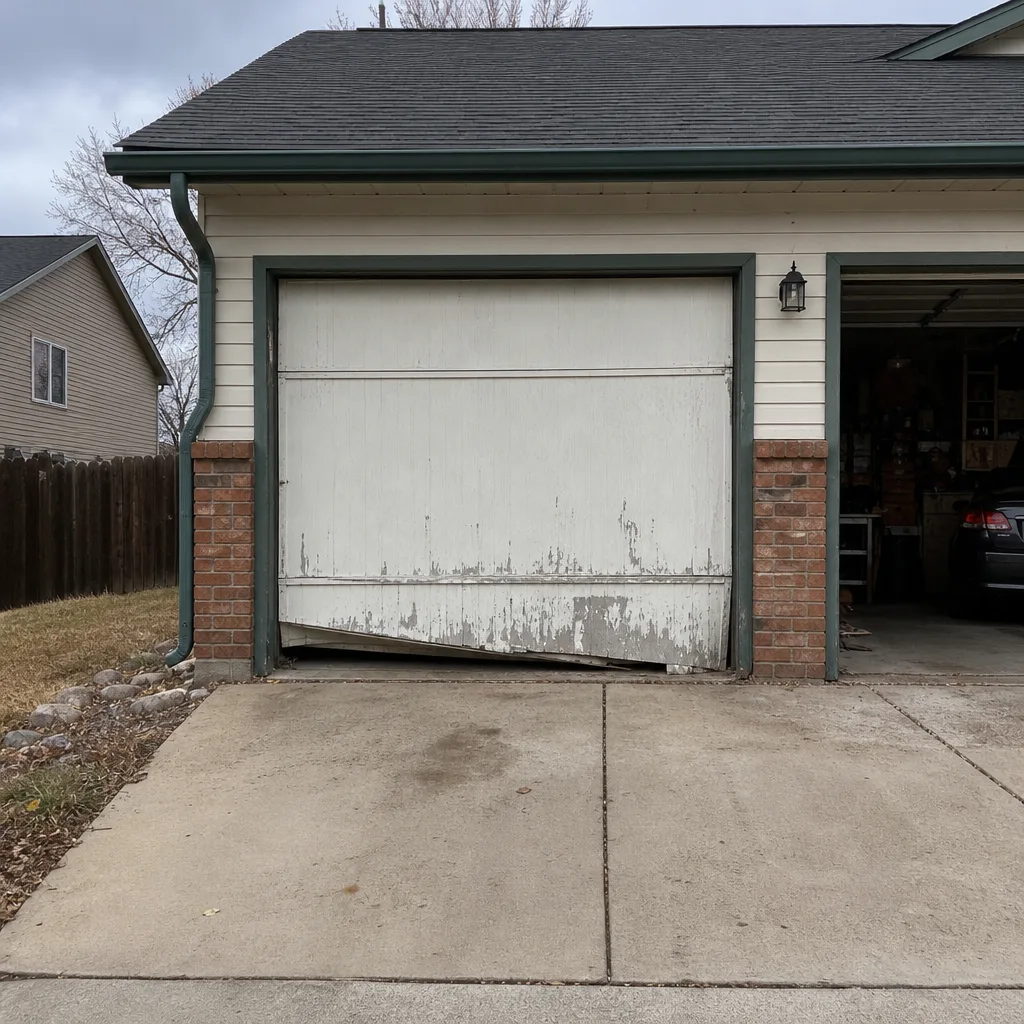 Before
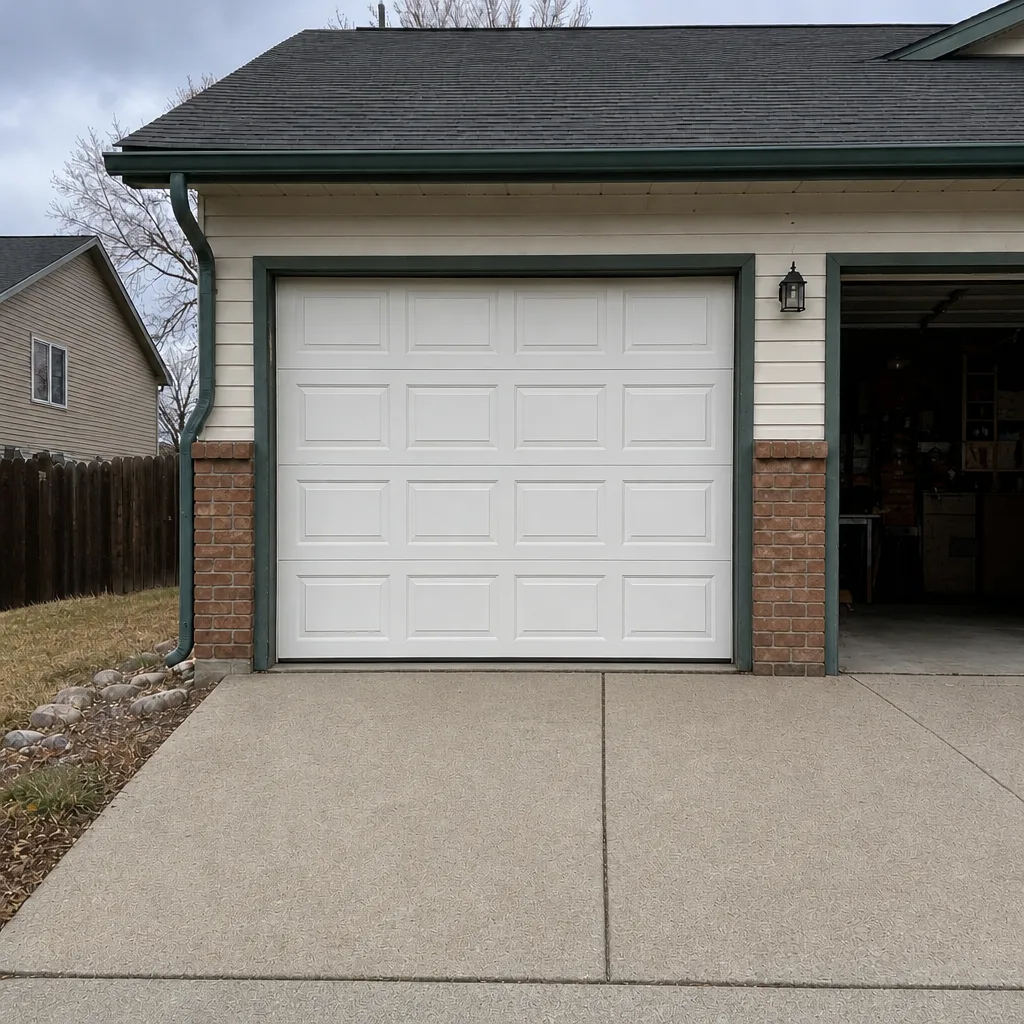 After
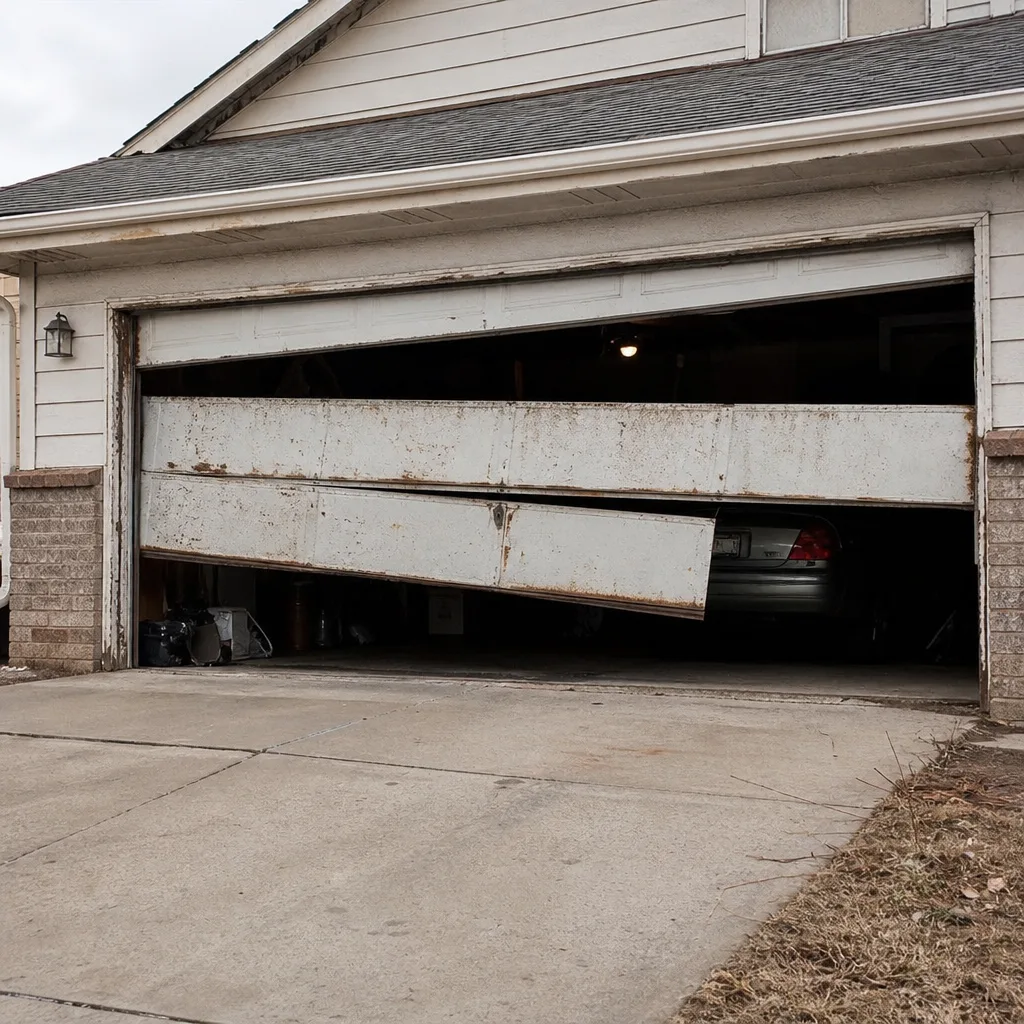 Before
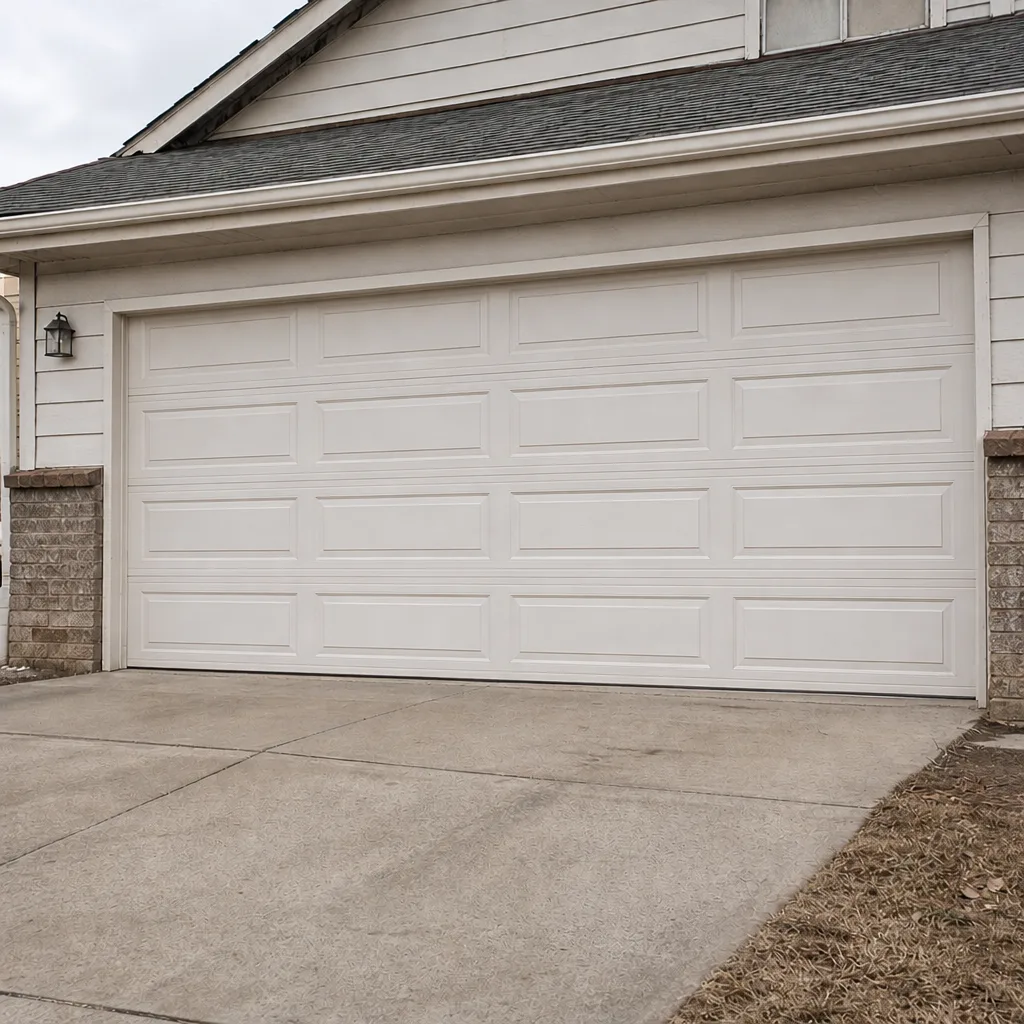 After
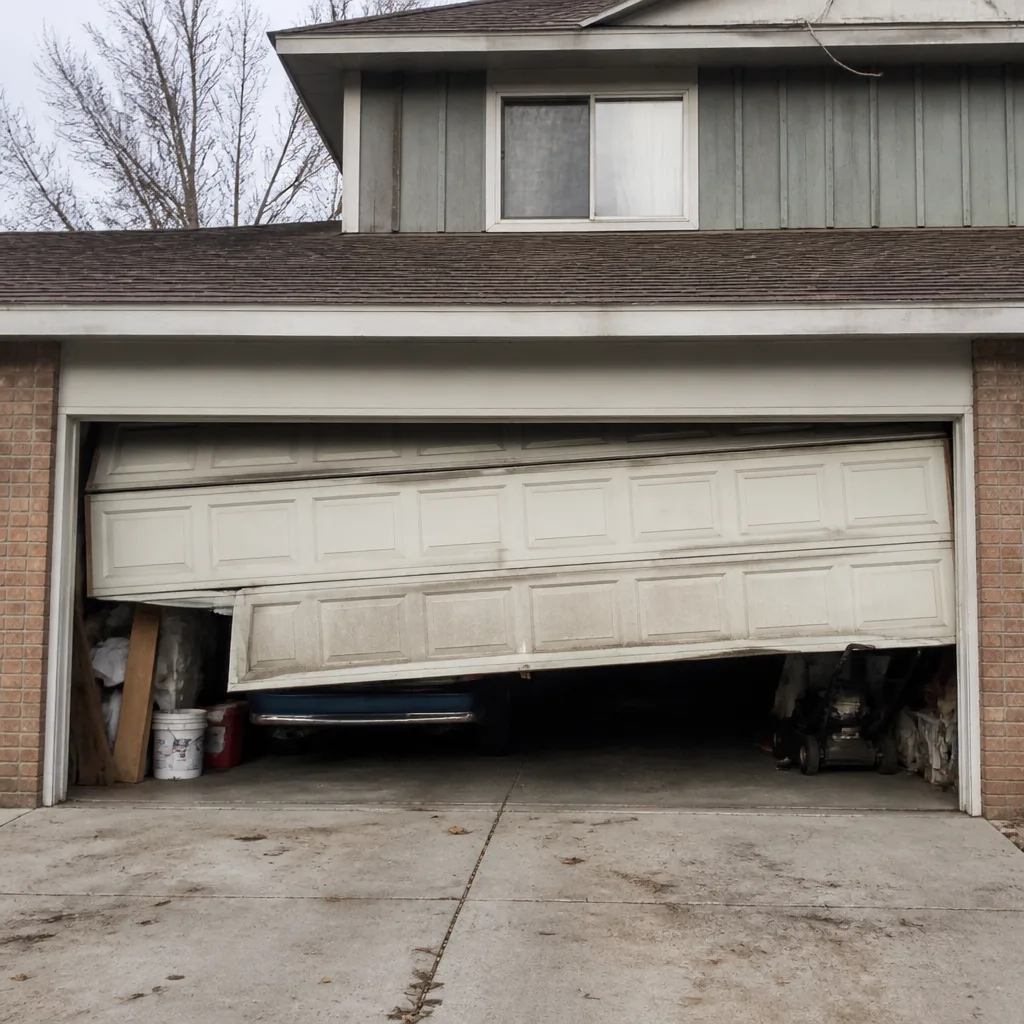 Before
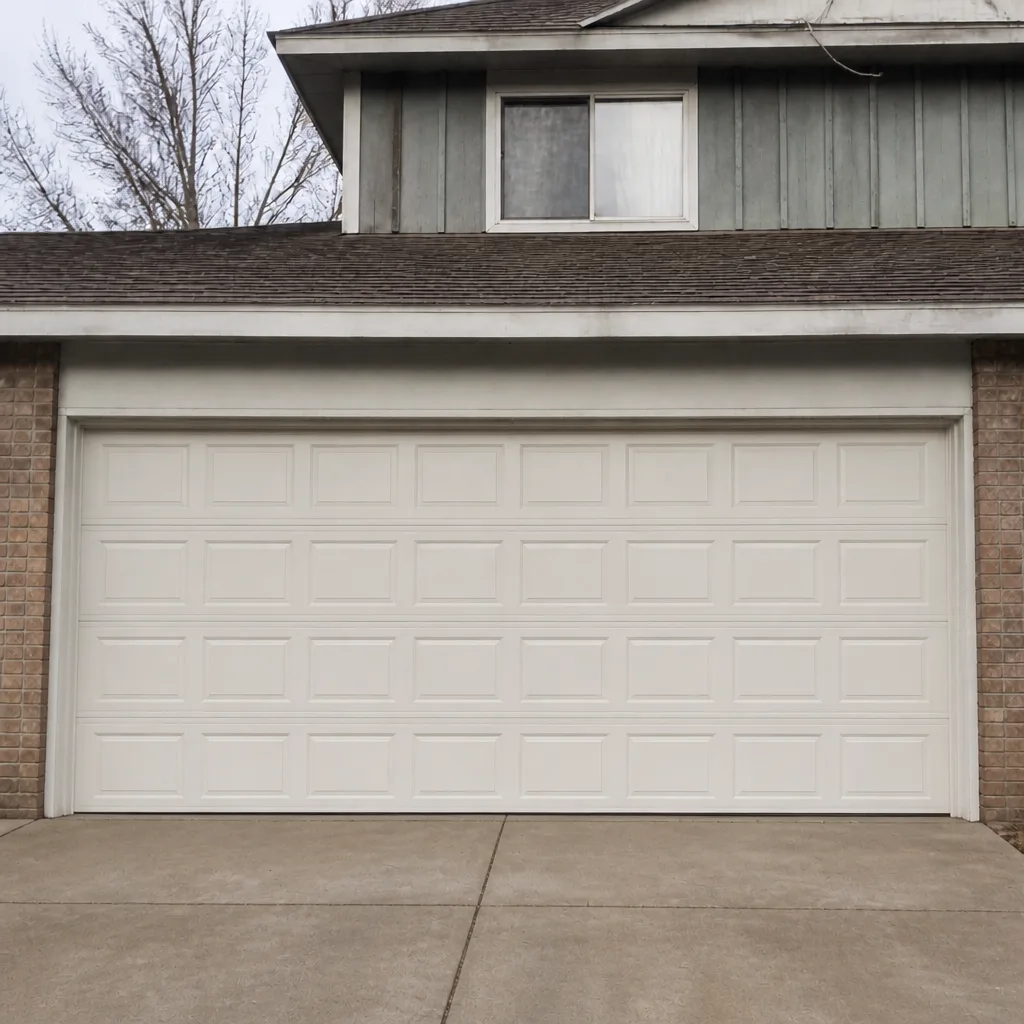 After
When to Call a Professional
The rule of thumb is simple: you can wipe a track, feel a seal, and test the auto-reverse yourself. The moment the work involves springs, cables, opener calibration, or anything that requires you to get a ladder under the torsion shaft, stop. Those are the items that cause serious injury or turn a small repair into a large one.
Call for a technician when your door won’t balance, a cable looks frayed, the spring is visibly stretched, the opener reverses on its own, a panel is dented deep enough to be structural, or the door has started making a sound it didn’t make last month. Westbrook Garage Door Repair offers free estimates in Colorado Springs. Call (855) 473-9096. We answer 24/7. Fast dispatch from 7am to 7pm, Sunday through Friday.
Frequently Asked Questions
Once a year for a full inspection, plus two seasonal DIY passes, in late spring and early fall. Colorado Springs’ big day-to-night temperature swings and hail season both put more wear on a door than you’d get in a mild climate, so the annual inspection is not optional here. If you haven’t had one in over a year, call (855) 473-9096 for a free estimate.
Use a cold-rated synthetic low-temperature grease or a silicone-based lubricant on the springs, rollers and hinges. Standard white lithium grease thickens below freezing and binds the moving parts, which is exactly what you don’t want in a Colorado Springs winter. Never apply lubricant to the tracks themselves; wipe them dry instead. Call (855) 473-9096 if you’re not sure what your door needs.
A bottom seal on a standard door can often be replaced by a homeowner, but check the track hardware and the door’s balance first. A stiff seal plus a worn roller plus an out-of-spec force setting all look the same from the inside; a technician can tell which one is actually causing the problem. For a stuck door in the middle of the cold season, call Westbrook at (855) 473-9096 for a free estimate.
Cold-weather force drift is the usual cause. The opener’s auto-reverse sensitivity has to fight more physical resistance when the door is stiff and cold, and if the setting was already marginal, it drifts below the safety threshold. That’s why annual recalibration is on the checklist. Call (855) 473-9096 if your auto-reverse fails a test; it’s a safety problem, not a nuisance.
A failing spring shows up as uneven coils, a door that no longer holds halfway, or a sound that’s louder than it used to be. Never touch a torsion spring yourself; springs and cables are the dangerous parts of the system. If you’re seeing any of those signs, close the door and call (855) 473-9096 for a free estimate.
Most cities require a permit for a garage door replacement, and requirements vary by jurisdiction, so ask your city’s building department before any installation. A qualified installer will know the local process. For repair work, no permit is normally needed, and our team can talk you through the difference. Call (855) 473-9096 with questions.
The Bottom Line
The maintenance checklist that actually works here isn’t a PDF copied from a manufacturer. It’s a seasonal one: seals and cold-rated lubricant before the first hard freeze in late fall, hail damage and fastener checks before summer, cable drums and hardware after snowmelt. Run the five-minute monthly check in between, and the annual technician inspection that catches what a DIY look won’t. Fix the seal in October and you won’t be stuck in January. If you’d like a technician to walk the whole door in Colorado Springs, Westbrook Garage Door Repair handles repair, opener service and installation on LiftMaster, Chamberlain, Genie, Clopay, Amarr, Wayne Dalton, Craftsman and Raynor equipment. Call (855) 473-9096 for a free estimate. We answer 24/7. Fast dispatch from 7am to 7pm, Sunday through Friday.
Written by the team at Westbrook Garage Door Repair.