
Last updated November 15, 2026
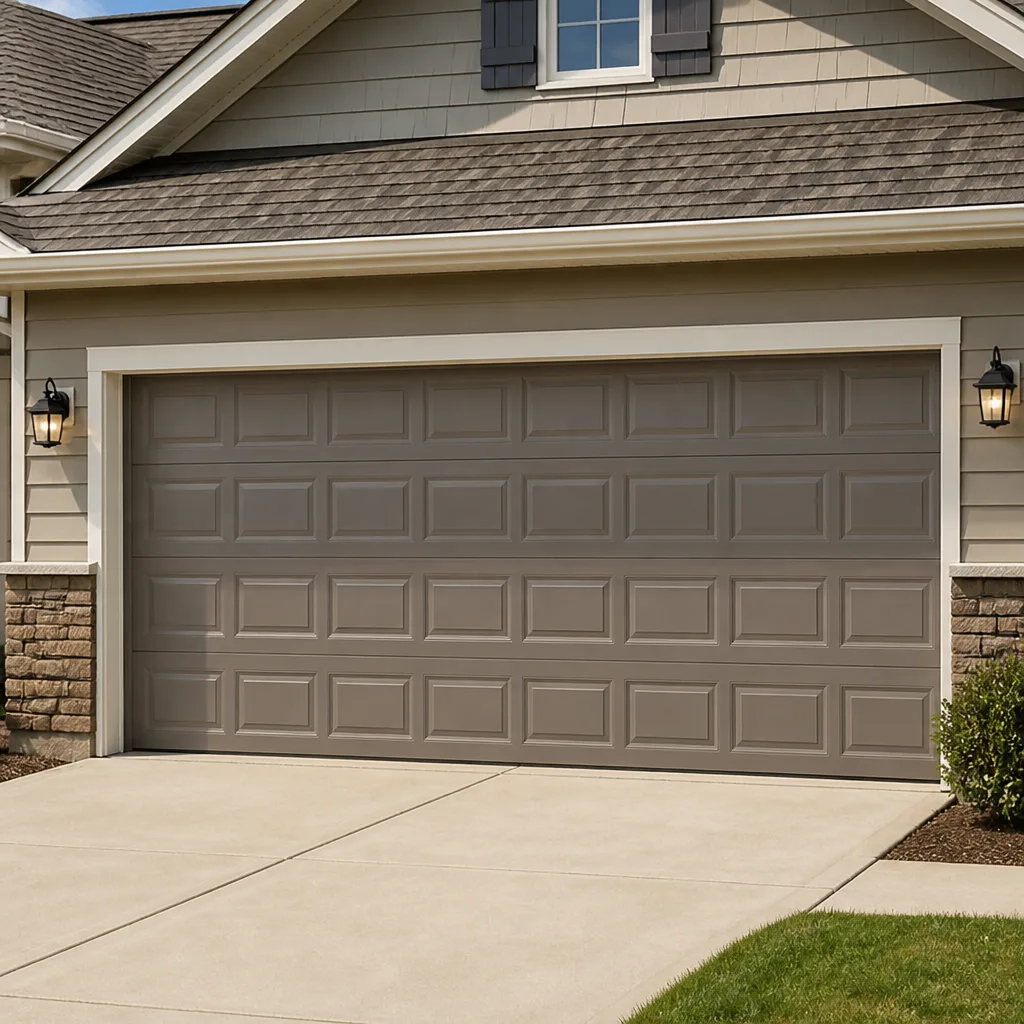 Raised-panel steel
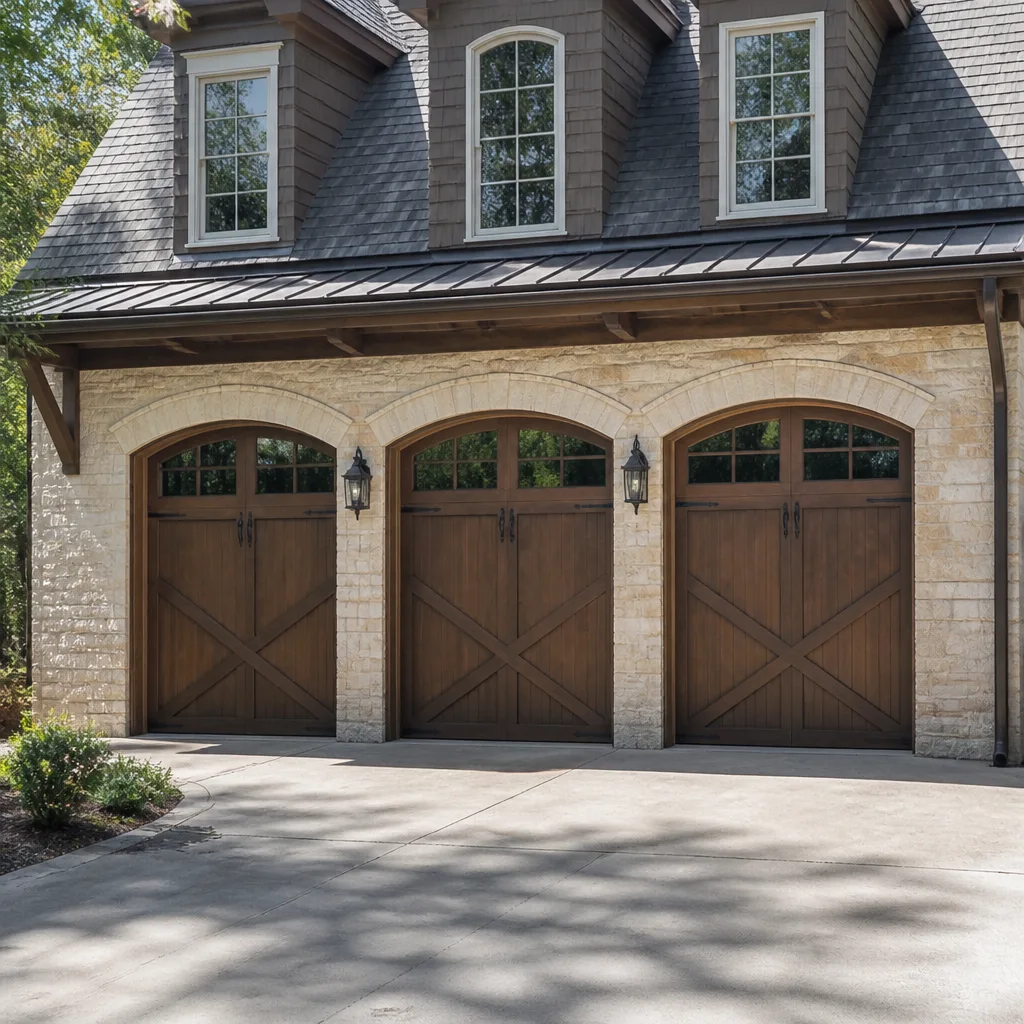 Carriage house
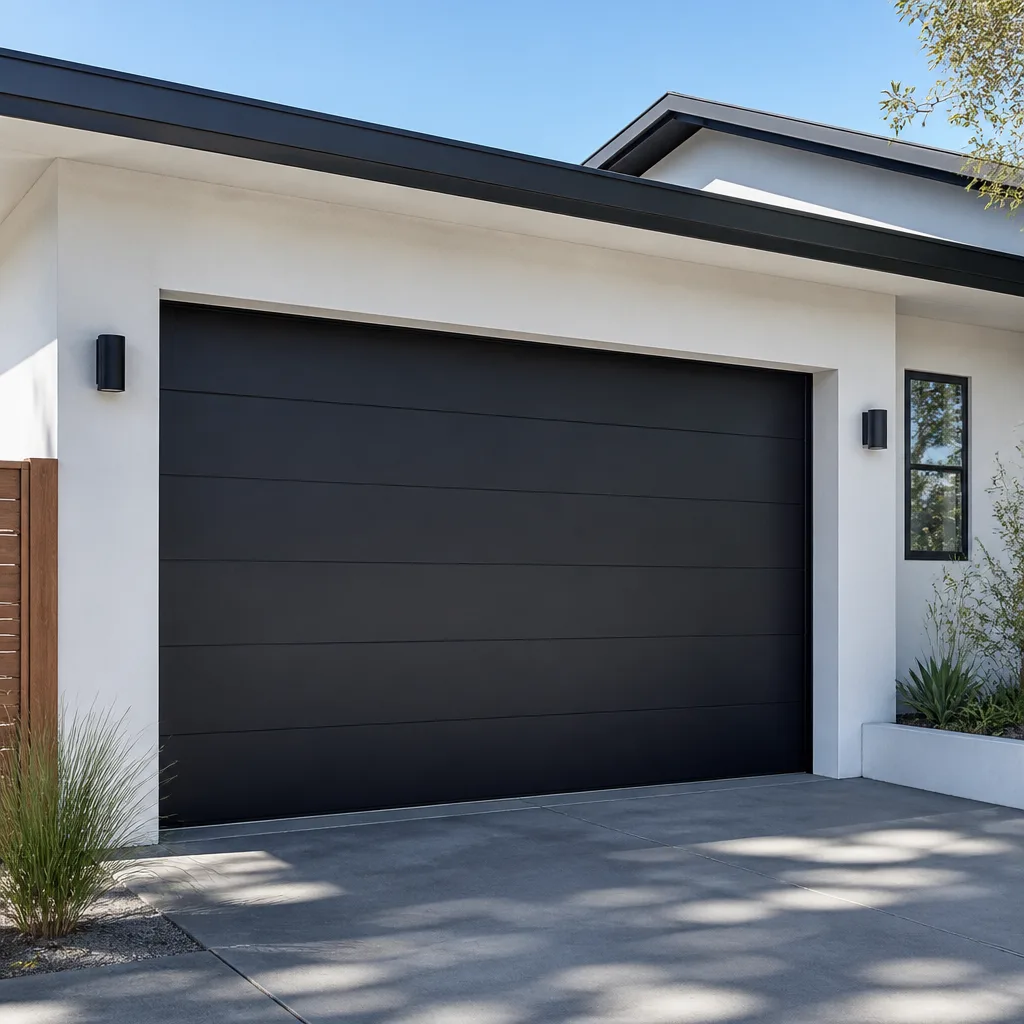 Modern flush
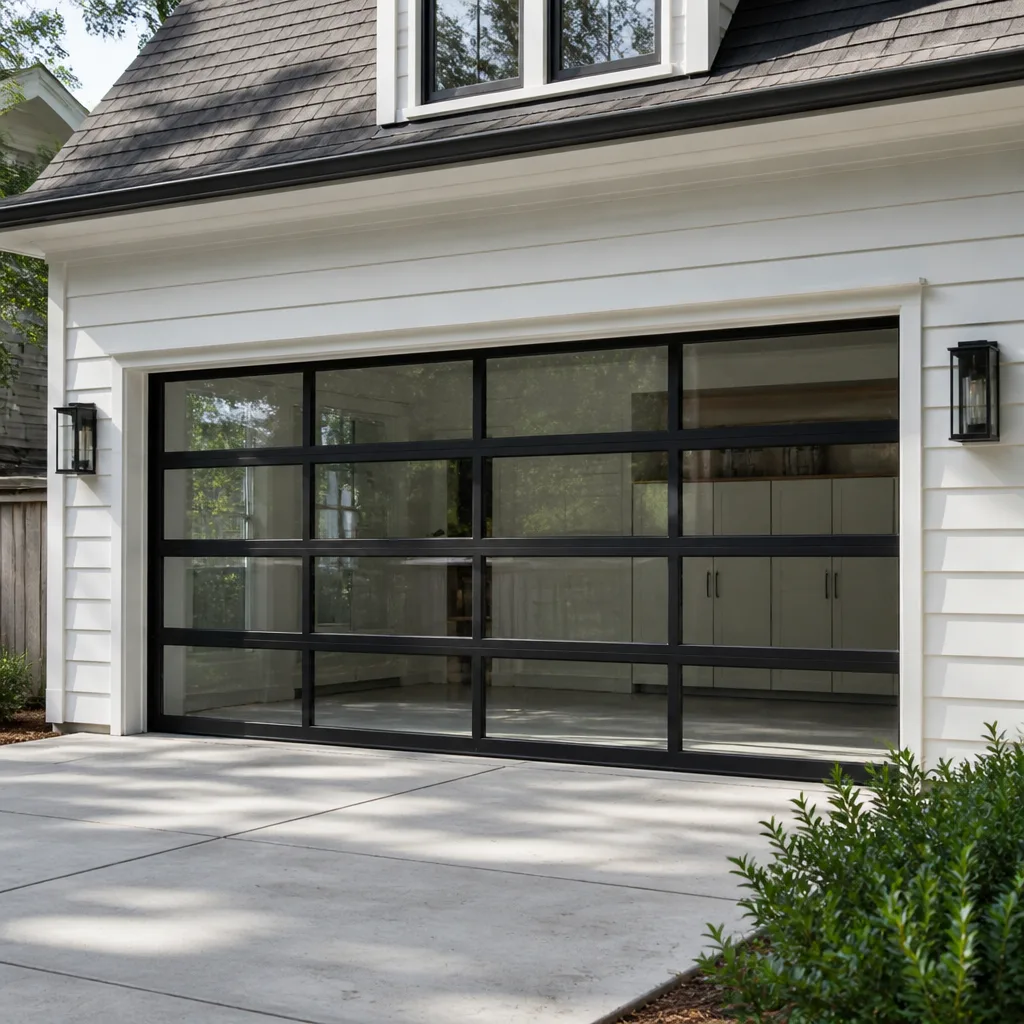 Full-view glass
 LiftMaster openers
 Chamberlain openers
Full 25-point door and opener safety check with every visit - springs, cables, rollers, tracks, and your LiftMaster or Chamberlain opener included
You get a price before we start. It does not change when the pro arrives.
Get your free estimateGarage Door Warning Signs: A Colorado Springs Homeowner’s Reference Guide
A garage door that hesitates for half a second before it moves is not just getting old. That hesitation is usually an opener working harder than it should against a spring that has lost tension, and in our experience that tired spring tends to fail within 30 to 60 days. When it goes, the door stops where it is and the stored energy in the system releases without warning. Warning signs do not appear at random. They follow a sequence, and once you can read that sequence you’ll know whether you have a week to schedule a repair or a reason to leave the door closed today. This guide walks through that sequence for Colorado Springs homeowners, from the first faint symptom to the failure it points toward.
Quick Answer
Garage door warning signs fall into three urgency levels. Schedule-soon signs include a hesitant start, squealing rollers, and a door that drifts down a few inches after you close it. Stop-using signs include a door that reverses for no reason, a visibly bent track, a snapped torsion spring, or a door that hangs crooked. Anything involving a broken spring, a frayed cable, or a door that will not stay up belongs in the stop-using category, and it needs a trained technician rather than a DIY fix.
Styles & brands we work with
- Raised-panel steel
- Carriage house
- Modern flush
- Full-view glass
- LiftMaster openers
- Chamberlain openers
Table of Contents
- Why Warning Signs Follow a Sequence
- The Symptom-to-Cause Diagnostic Table
- Safe to Use vs. Leave It Closed: How to Tell
- Colorado-Specific Signs That Get Missed
- Reading the Noises: Roller, Hinge, or Cable
- Signs That Look Like Opener Trouble but Aren’t
- A Monthly Walk-Around You Can Do Safely
- Why Brand Knowledge Changes the Diagnosis
Why Warning Signs Follow a Sequence
A garage door is a system under constant tension, and every component in that system depends on the others. The springs carry the weight. The opener supplies motion, not lifting force on its own. The cables, rollers, and hinges keep the panels aligned and moving on the track. When one part starts to weaken, the strain spreads to its neighbors, and that is why a small symptom rarely stays small.
The sequence usually runs like this. A torsion spring loses a bit of tension, and the door gets heavier. The opener compensates by pulling harder, and the motor runs longer and louder. Chains and belts wear faster under that load. The door starts to hesitate on the way up. If nothing changes, the spring eventually breaks, and the door stops mid-travel. Homeowners in Colorado Springs often notice the noise first and the hesitation second, because the noise is what makes them look.
Understanding the order matters because it tells you what to check and what not to touch. A noisy door that still opens smoothly is often a lubrication or roller problem. A quiet door that hesitates is more concerning, because the symptom points toward spring tension and that is where the real energy in the system lives. We’ve learned to trust the sequence more than any single symptom, and it’s the reason garage door repair starts with a diagnosis rather than a guess.
The Symptom-to-Cause Diagnostic Table
Below are the twelve signs our technicians respond to most often in Colorado Springs, sorted by how quickly they usually need attention. This is a starting point for understanding what you’re seeing, not a repair manual. Use it to decide how soon to call, not to decide what to fix yourself.
Urgent: Leave the Door Closed
- Snapped torsion spring (loud bang, door won’t lift): The spring has failed. Do not run the opener. The door may be dangerously heavy.
- Door hangs crooked or one side drops: A cable has likely come off its drum or broken. This can release without notice.
- Frayed or kinked cable: Cables are under extreme tension and can snap. Do not touch them.
- Door reverses immediately when closing: The safety reverse is engaging because something is wrong with the balance or the sensors. Leave it up.
Schedule Within Days
- Door hesitates before moving: Usually a spring losing tension or a straining opener. Book a diagnosis soon.
- Door drifts down a few inches after closing: The door is out of balance.
- Door won’t stay open when raised by hand: Same balance problem, and it stresses the opener every time.
- Loud grinding or scraping during travel: Often a worn roller or a misaligned track.
Schedule When Convenient
- Squealing or chirping: Dry rollers or hinges. Lubrication may help, but a worn part may need replacing.
- Opener light flickers or remote range drops: Often a logic board or a sensor alignment issue.
- Door looks slightly out of level when closed: Minor track or hinge wear.
- Rust spots or peeling paint on panels: Cosmetic early on, but it lets moisture in over time.
Safe to Use vs. Leave It Closed: How to Tell
The hardest question for most homeowners is whether to keep using the door while waiting for a repair. The honest answer is that some symptoms are safe to live with for a few days, and others are not safe to use at all. Here’s how to separate the two without opening up anything you shouldn’t touch.
A door is generally safe to use while you schedule a repair when it opens and closes fully, stays up on its own, and only makes noise or moves a little stiffly. If the only problem is a squeak, a slightly slow start, or a fading opener light, you have time to book a normal appointment. Keep the door on the opener and avoid forcing it by hand.
A door should be left closed and not operated when any of the following are true:
- The door feels very heavy when you try to lift it a few inches by hand, or it drops back down fast.
- You can see a broken spring, a gap in the coils, or a cable hanging loose.
- The door is crooked, meaning one side is clearly higher than the other.
- The door reverses for no reason, or the opener strains audibly before the door even moves.
- The door won’t stay up when you raise it by hand past halfway.
If any of those apply, call a technician and use another entrance. Springs and cables store enough energy to cause serious injury, which is why this is the one place in this guide where we will not describe how to fix it yourself. A trained professional with the right tools is the only safe route.
Colorado-Specific Signs That Get Missed
Colorado Springs sits at high elevation with wide swings between warm days and cold nights, and that cycle does things to a garage door that a homeowner in a mild climate rarely sees. The most common mistake is blaming the cold for a door that sticks in January. In our experience, a door that suddenly binds in cold weather is often fighting a track that has shifted, not just stiff grease. Ground movement from freeze-thaw cycles can push a track slightly out of line, and the door then scrapes against it every time it moves.
Here’s what to watch for that gets missed:
- Sticking only on cold mornings: Often a bent or shifted track rather than thick lubricant. If the door frees up by afternoon, the track is the likely culprit.
- Rust along the bottom panel: Melting snow and road spray pool at the base of the door. Left alone, that moisture works under the paint and into the steel.
- Warped or sticking panels in summer: The dry air and strong sun can make wood and some composite panels swell or dry unevenly.
- Sensors that trip after a snowstorm: Snow piled near the photo-eye or a sun angle hitting the sensor can both cause false reverses.
Seasons change how a door behaves, and a technician who works in Colorado Springs learns to read those seasonal patterns. A door that behaves perfectly in July and acts up every February is telling you something about the track, the seals, or the balance rather than the motor.
Reading the Noises: Roller, Hinge, or Cable
Noise is the most misunderstood warning sign, because homeowners tend to treat every squeak the same way: they grab a can of lubricant and spray the whole door. That can mask a real problem or make it worse. The key is to figure out where the sound is coming from before you do anything.
Rollers
A roller that has gone bad makes a steady squeal or a low rumble that tracks the door’s travel. It’s usually constant as the door moves, and it may get louder or softer depending on the panel. Lubricating a worn steel roller can quiet it for a while, but a roller that has flat-spotted or lost its bearing needs to be replaced. Nylon rollers tend to fail differently, sometimes with a chatter rather than a squeal.
Hinges
A dry or worn hinge produces a creak or a pop that happens at a specific point in the door’s travel, often when a panel changes angle on the way up or down. Hinges are relatively easy to check visually. A hinge that has pulled loose from the panel or shows metal fatigue is a genuine concern, because it means the panel is bearing load it wasn’t meant to carry.
Cable Rubbing the Drum
A rhythmic scraping or grinding that seems to come from above the door is often a cable rubbing against its drum. This one matters more than the others. A cable that is out of its groove, kinked, or rubbing is under tension and can snap without warning. Do not spray lubricant on a cable to try to quiet it. That can hide the symptom while the real problem gets worse. Cable issues go straight into the leave-it-closed category, and a technician should look at them promptly.
Telling the three apart takes a trained ear and a careful look at the door’s travel. It’s also one of the reasons we diagnose before we recommend anything. A grinding noise that turns out to be a roller is a straightforward fix. The same noise from a cable is a safety matter.
Signs That Look Like Opener Trouble but Aren’t
This is the diagnostic shortcut that separates a specialist from a generalist, and it saves homeowners from paying to replace an opener that was never the problem. The opener is the easiest part of the system to blame, because it’s the part making the noise and the part you interact with. But plenty of “opener” symptoms originate in the door itself.
Here’s the rule of thumb. If the opener runs, lights up, and the carriage moves but the door is slow, heavy, or uneven, the trouble is likely mechanical. If the opener won’t run at all, or the remote won’t work, or the light flickers, the trouble is likely electrical or in the opener’s own components.
- Opener strains and stops mid-travel: Often a spring or balance problem, not a motor problem.
- Door reverses immediately after starting: Frequently a track, sensor, or panel rub, not a logic board failure.
- Motor runs but door doesn’t move: Sometimes a stripped gear, but also sometimes a broken spring that the opener can no longer lift.
- Door closes but won’t open fully: Often a balance issue the opener struggles to overcome.
When a symptom points to the opener itself rather than the door, our team handles garage door opener repair across the major platforms, from LiftMaster and Chamberlain on the myQ ecosystem to Genie and its Aladdin Connect line. Knowing which platform and model you have tells us which parts and diagnostics apply, and it keeps the repair aligned with the manufacturer’s design rather than a universal-fit workaround. That’s the difference between replacing a part that fixes the problem and replacing the opener that never caused it.
A Monthly Walk-Around You Can Do Safely
Most urgent failures give a warning before they happen, and a short monthly check catches many of them early. This check is safe to do yourself because it stays observational. You’ll look, listen, and test the door’s balance without touching springs, cables, or anything under tension.
- Listen as you open the door. Note any new squeak, grind, or pop, and where it happens.
- Watch the door travel. It should move smoothly and evenly, without hesitation or a jerky start.
- Check the balance. Raise the door by hand to about halfway, then let go. A properly balanced door stays there. If it drifts down, the balance is off.
- Look along the tracks. A bent or shifted track shows as a gap, a kink, or a scrape mark on the rail.
- Check the photo-eye sensors. Make sure they are clean and aimed at each other, and that the door reverses when you pass a hand between them.
- Look at the bottom panel and seals. Rust, water damage, or a torn seal lets moisture in and will get worse through the seasons.
- Test the manual release. On a day when you have a moment, confirm the release works and the door will open by hand. That tells you the door can be operated manually if the opener ever fails.
Keep a short note of anything new you notice. A symptom that changes over a month tells a technician more than a symptom that’s been the same for a year.
Why Brand Knowledge Changes the Diagnosis
Garage doors and openers are not interchangeable, and the same warning sign can point to a different fix depending on the make and model. A door from Clopay, Amarr, Wayne Dalton, or Raynor has its own panel construction, hardware tolerances, and warranty terms. An opener from LiftMaster, Chamberlain, Genie, or Craftsman has its own logic, sensors, and travel limits. Knowing which one you have shapes what a technician checks first and which parts fit correctly.
This is where a specialist earns the call. A general handyman can often get a door moving again in the short term, but the wrong part or a universal-fit substitute can void the manufacturer’s warranty on a good door or an opener worth keeping. We’re factory-familiar with eight major brands across panels and opener systems, which means we work to the right tolerances and use the right part for the model rather than a workaround. The result is a repair that lasts and a warranty that stays intact.
It also helps you plan. When we can tell you where a symptom sits on the failure sequence, we can tell you whether a repair makes sense or whether the door or opener is far enough along that planning a replacement is the better move. Our team handles both Westbrook Garage Door Repair work and full installation, so the conversation doesn’t reset when a repair turns into a replacement. The same technician who diagnosed the problem can carry you from a broken spring to a brand-new door.
Common Mistakes to Avoid
- Keep running the door on a loud, hesitant opener. If the door hesitates before moving, the opener is working against a spring that is losing tension. Running it every day accelerates the wear that leads to the failure.
- Lubricate the whole door to silence a noise. Spraying the tracks, cables, or springs can hide the source of the problem and even make it worse. A cable that is quieted with lubricant is a cable you stopped watching.
- Blame cold weather for a January stick. In Colorado Springs, a door that binds on cold mornings is often fighting a shifted track, not thick grease. Change the track, not the lubricant.
- Ignore a door that drifts down after closing. A door that won’t hold itself open is out of balance, and that imbalance wears the opener with every cycle. It’s one of the earliest signs on the sequence.
- Adjust the springs or cables yourself. Springs and cables are under extreme tension and can injure or kill when released unexpectedly. This is the one repair to leave to a trained professional.
- Replace the opener before checking the door. Many “opener” symptoms originate in the mechanical system. Diagnosing the door first saves you from replacing the wrong part.
- Put off a rusty bottom panel. Snowmelt and road spray pool at the base of a door, and in a Colorado Springs winter that moisture works quickly. Caught early, it’s a small fix. Caught late, it’s a panel.
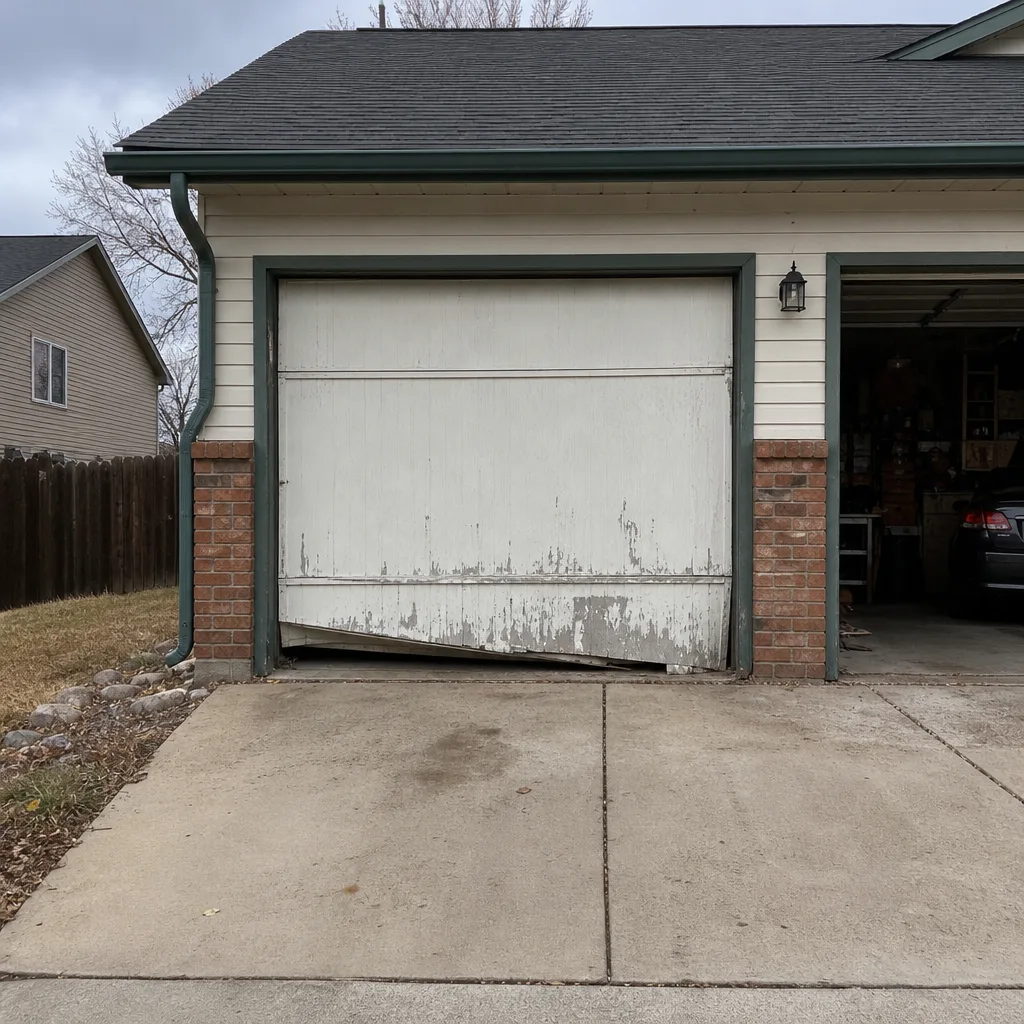
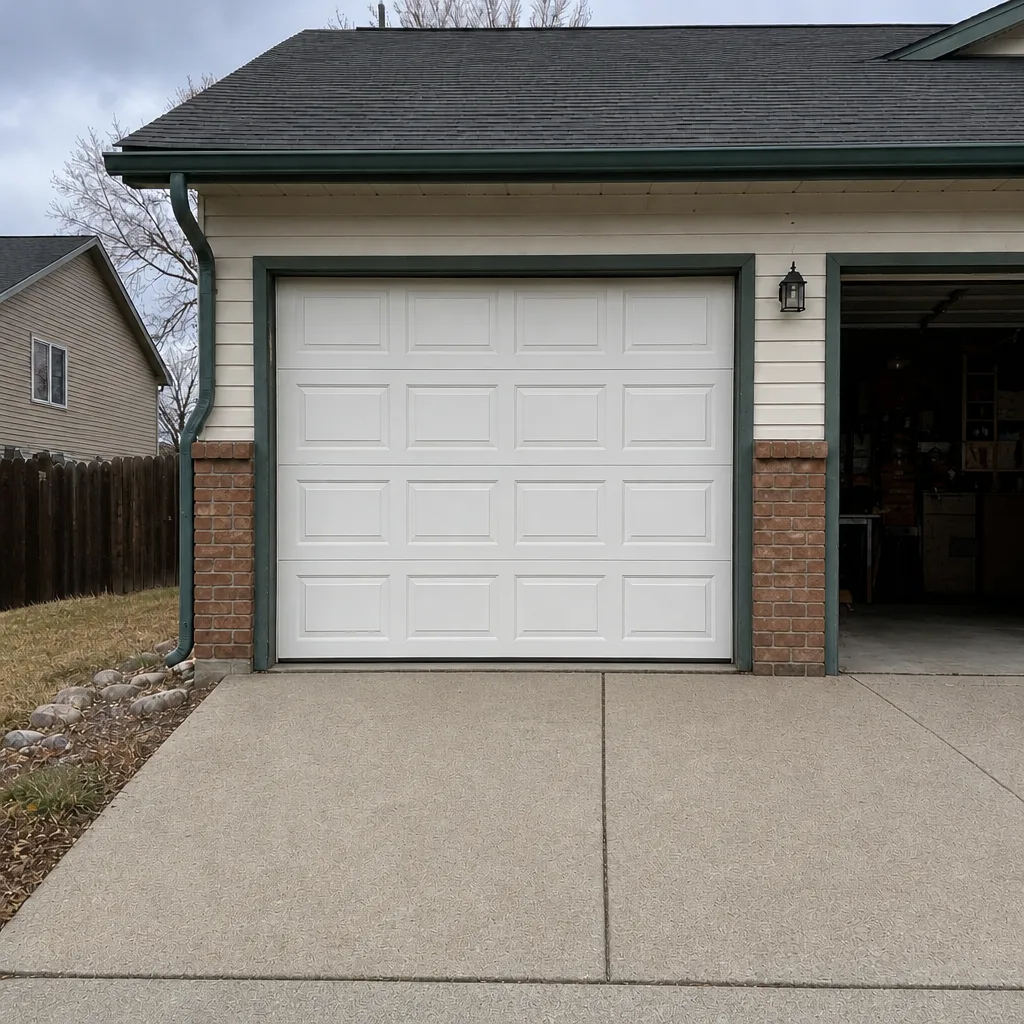
See the difference
 Before
 After
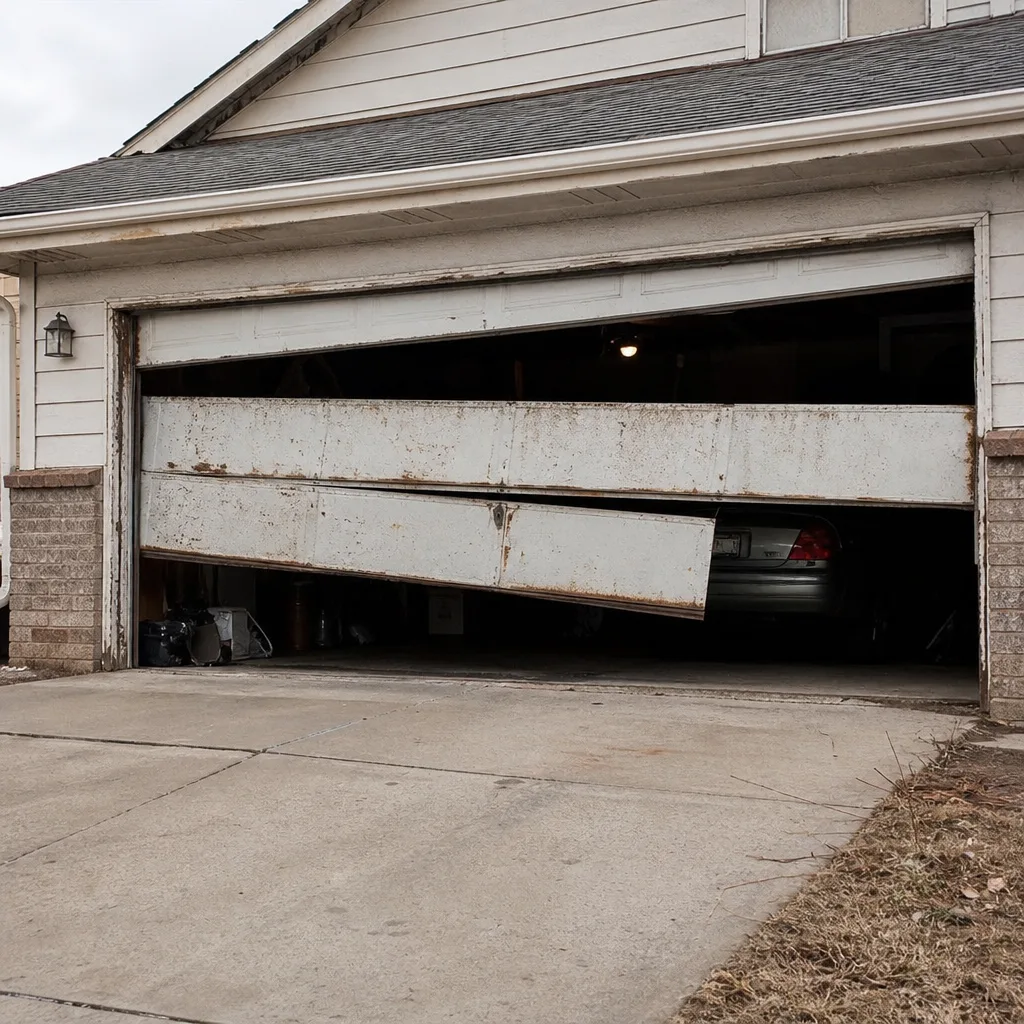 Before
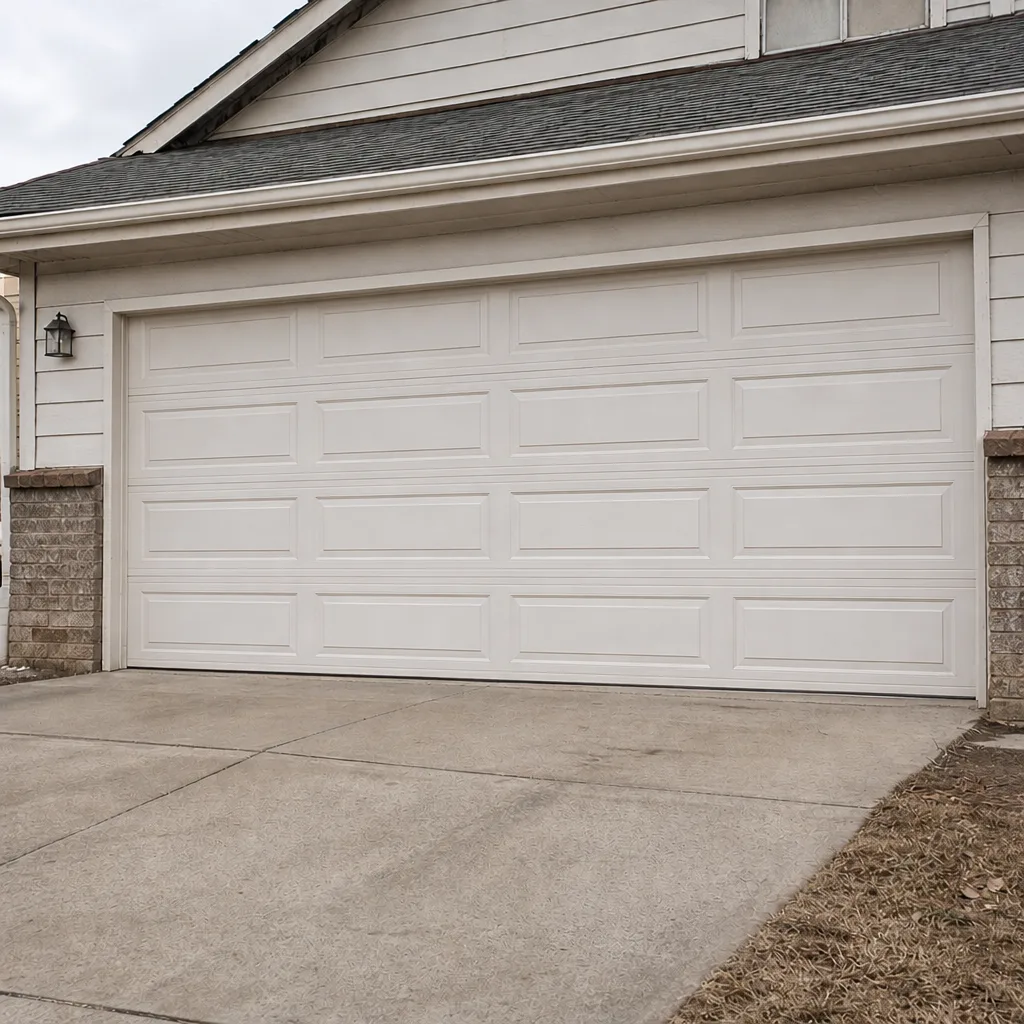 After
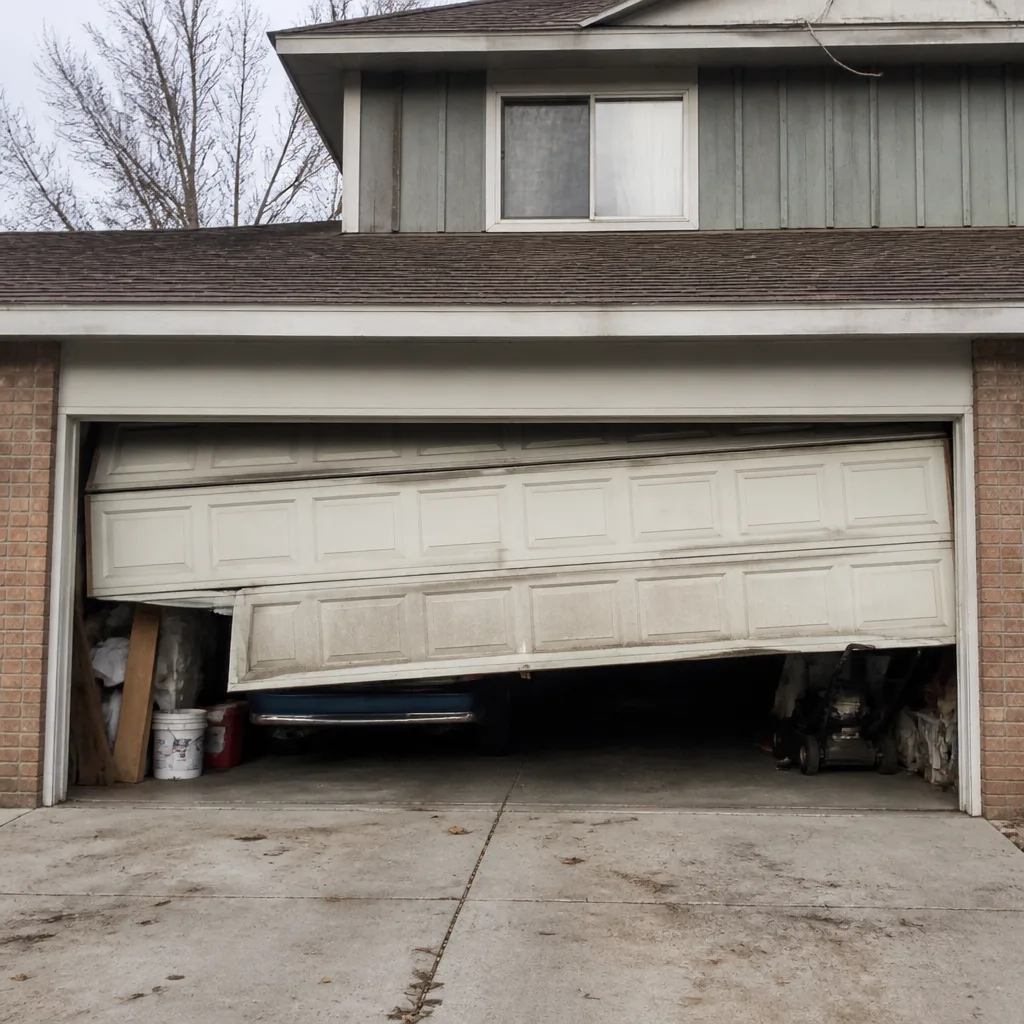 Before
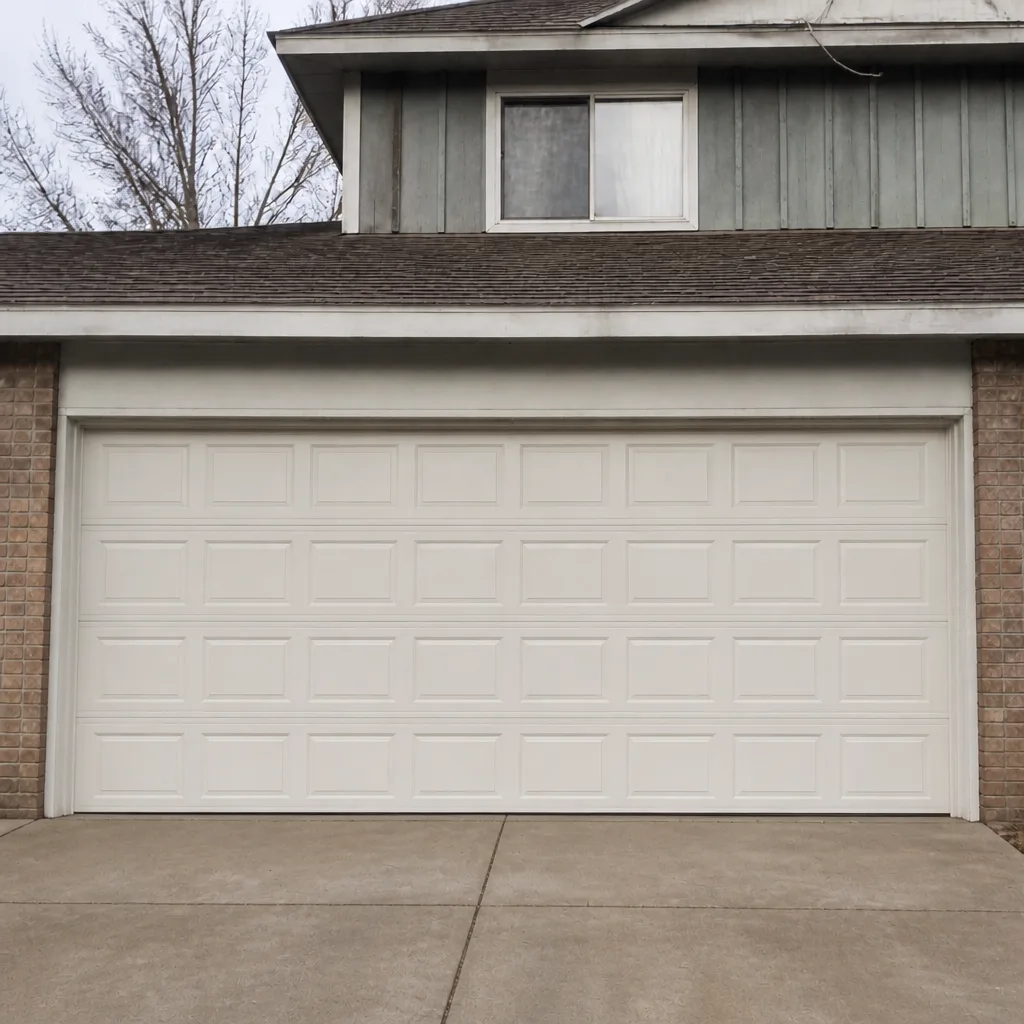 After
When to Call a Professional
Call a professional if the door won’t stay up, hangs crooked, reverses for no reason, or if you can see a broken spring or a frayed cable. Call if the opener strains before the door moves, if the door reverses mid-travel, or if a door that used to open smoothly now hesitates. Call if you hear grinding from above the door rather than a squeak from the rollers. And call if a symptom has been the same for a month and you’ve stopped noticing it, because a slow problem is still a problem. Springs, cables, and opener internal components are all safer and cheaper to handle before they fail. Westbrook Garage Door Repair offers free estimates in Colorado Springs, and our technicians have up to 11 years of experience, so the diagnosis comes before any repair recommendation. Call (855) 473-9096.
Frequently Asked Questions
The earliest signs are usually a hesitant start, a slow rise, and a door that drifts down a little after closing. These point to a spring losing tension or a door that’s out of balance. Call (855) 473-9096 for an exact diagnosis, and our estimates are free.
We answer 24/7 and offer same-day service for many repairs. Fast dispatch from 7am to 7pm, Sunday through Friday. Call (855) 473-9096 and we’ll tell you the soonest opening for your door.
It’s safe to use while you schedule a repair if it opens and closes fully, stays up on its own, and only makes noise. Leave it closed if it hangs crooked, won’t stay up, reverses on its own, or you can see a broken spring or loose cable. If you’re unsure, call (855) 473-9096 and describe what you see, and our estimates are free.
A rhythmic grinding from above the door can mean a cable is rubbing its drum, which is serious and worth a prompt call. A steady squeal is usually a roller and can wait for a normal appointment. When a grinding noise turns out to be a cable, the door should be left closed until a technician arrives. Call (855) 473-9096 for a free estimate.
The written estimate sets the final price, and we quote and agree it before any work starts. A warning-sign diagnosis may reveal more than one issue, and if that happens we walk you through the options before you commit. Call (855) 473-9096 for an estimate that holds.
Cold weather brings out existing problems rather than creating new ones. A door that binds on cold mornings is often fighting a track that shifted with freeze-thaw ground movement, not just thick grease. Seals and bottom panels also take a beating from snowmelt and road spray. Call (855) 473-9096 if a seasonal symptom is more than a once-a-year nuisance.
The Bottom Line
Warning signs follow a sequence, and reading that sequence tells you how much time you have. A hesitant door, a drifting door, or a new grinding noise are early links in the chain and mean schedule a repair soon. A broken spring, a crooked door, or a door that won’t stay up are later links and mean leave it closed until a technician arrives. Springs and cables are never a DIY job. The rest you can observe, note, and report. If you take one thing from this guide, let it be this: diagnose the door before you replace the opener, and let a specialist read the sequence for you. Westbrook Garage Door Repair offers free estimates in Colorado Springs, and our technicians have up to 11 years of experience.
Contact
If a warning sign has you wondering whether to use the door today, call us. We answer 24/7. Fast dispatch from 7am to 7pm, Sunday through Friday, and our estimates in Colorado Springs are free. Call (855) 473-9096 for a free estimate, and we’ll diagnose the door, not just the symptom.
Written by the team at Westbrook Garage Door Repair.