
Last updated November 15, 2026
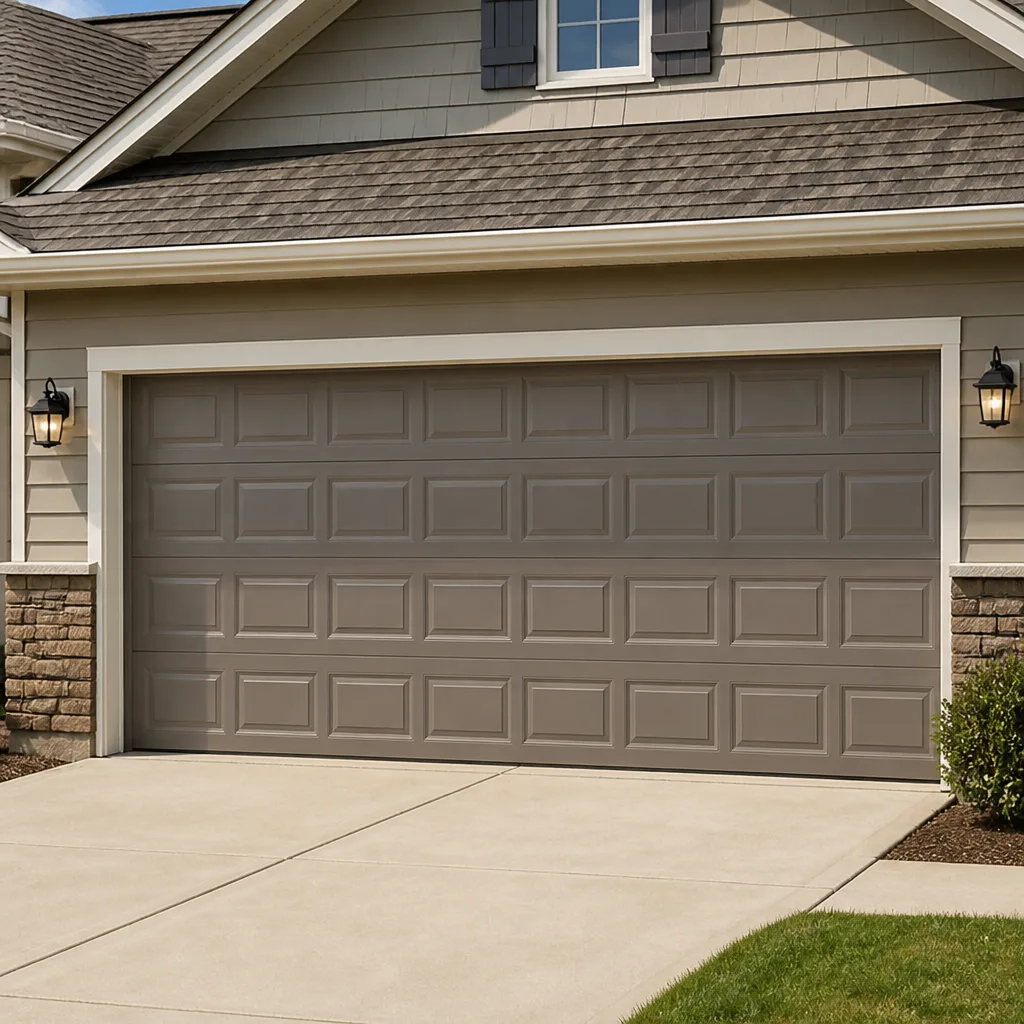 Raised-panel steel
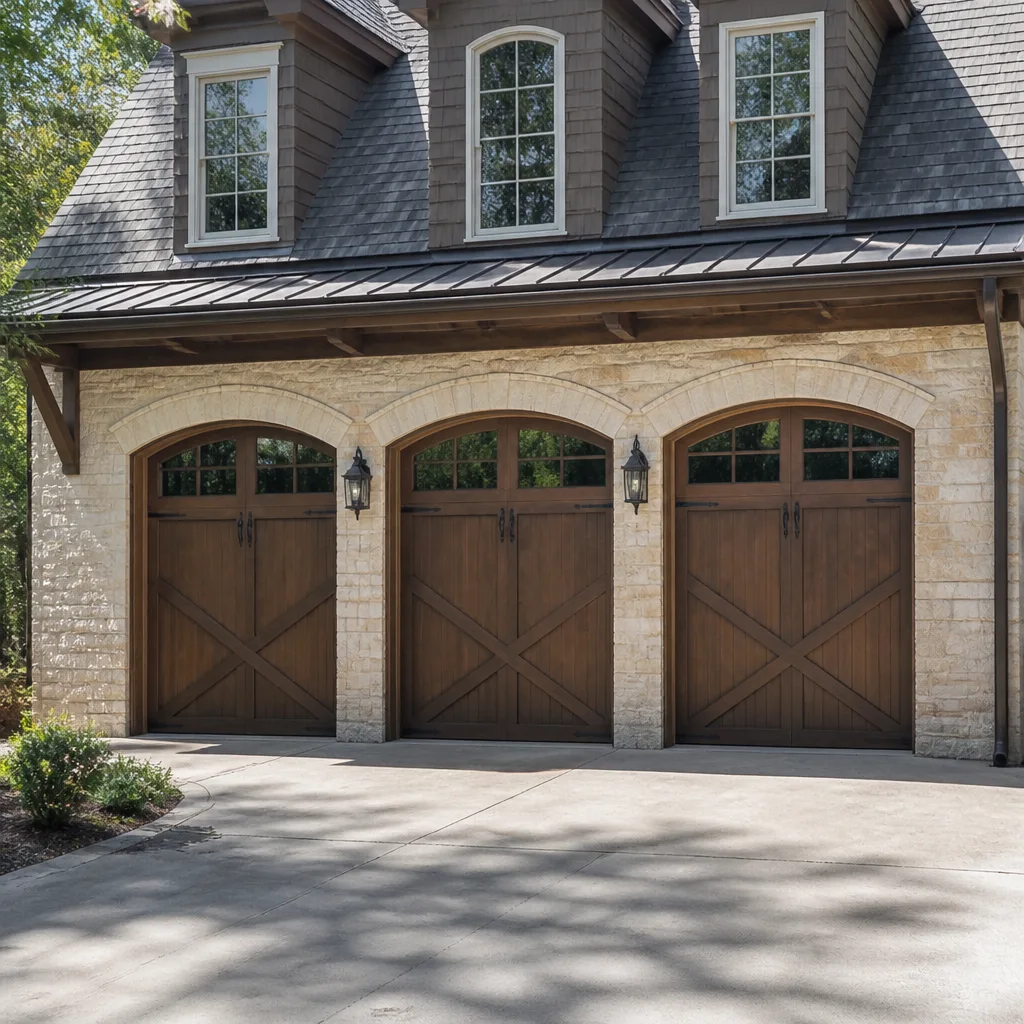 Carriage house
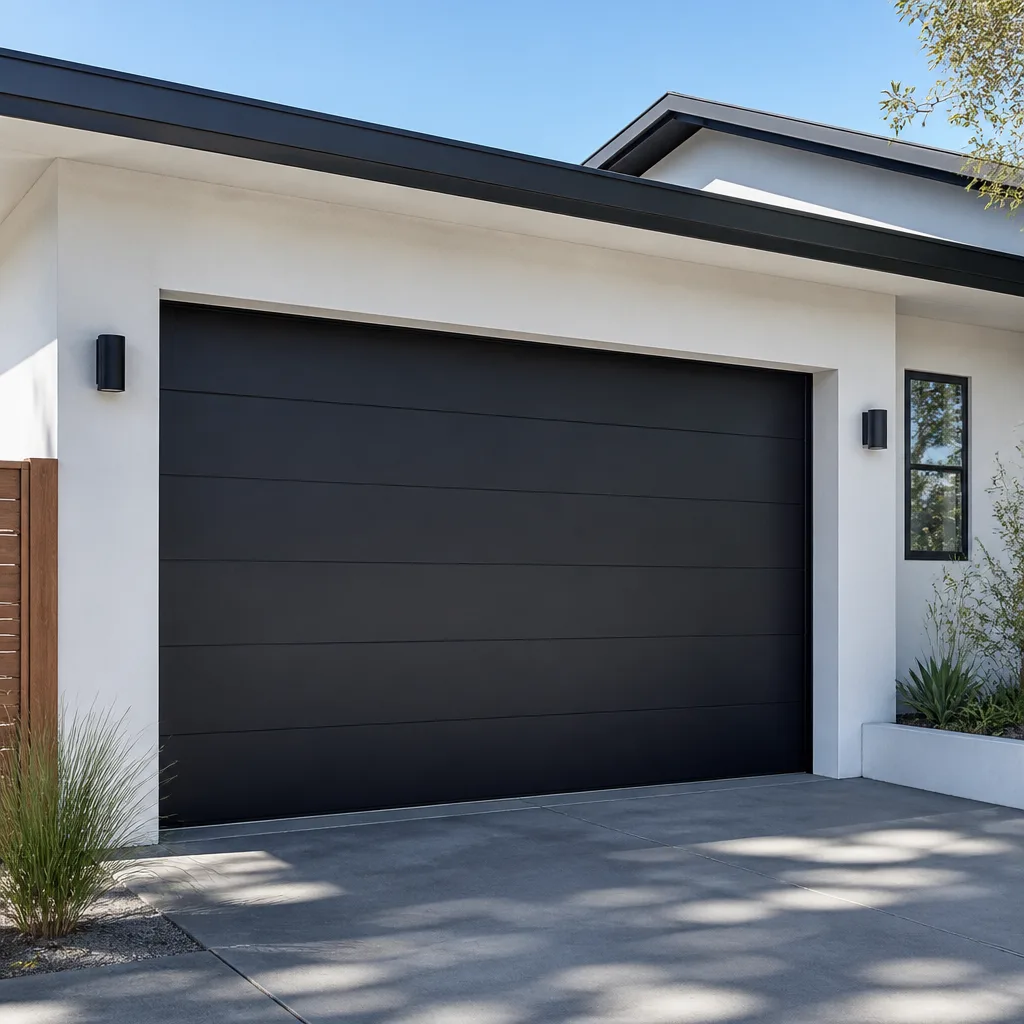 Modern flush
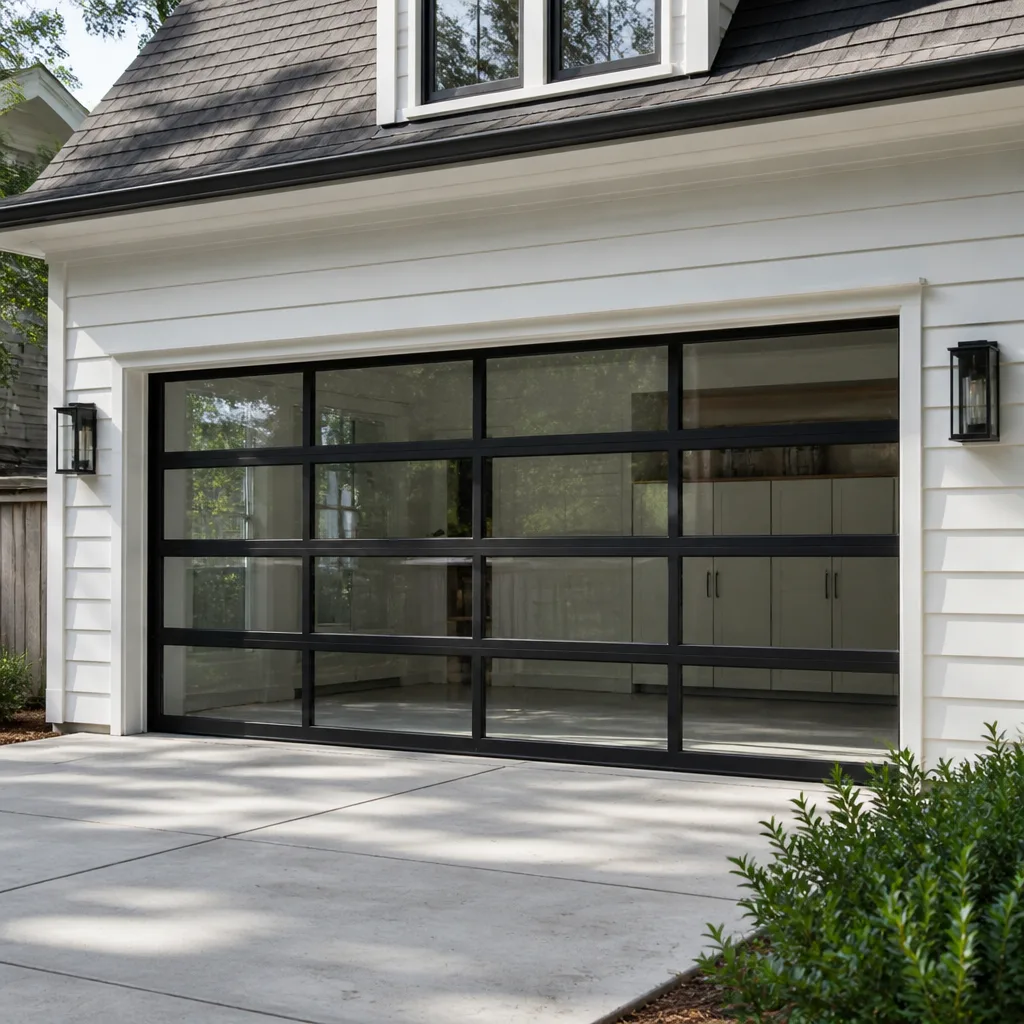 Full-view glass
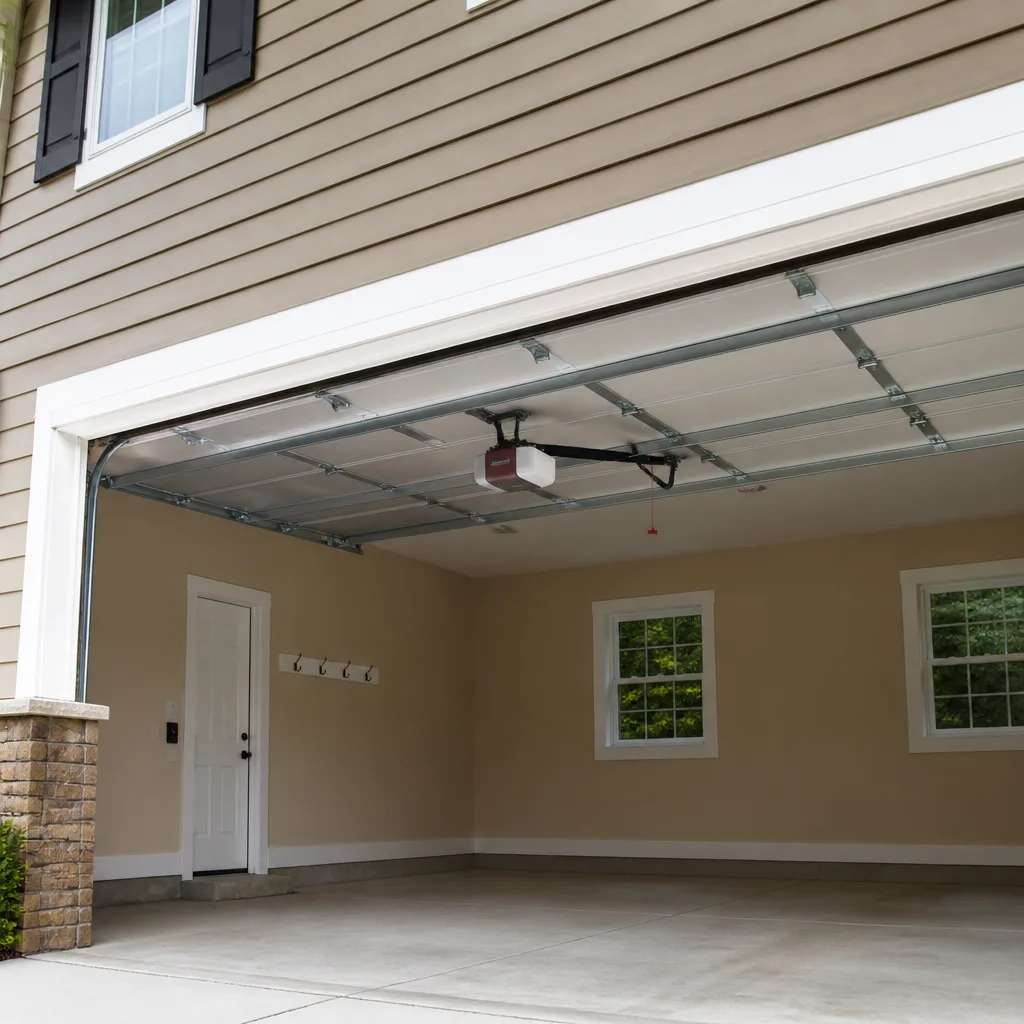 LiftMaster openers
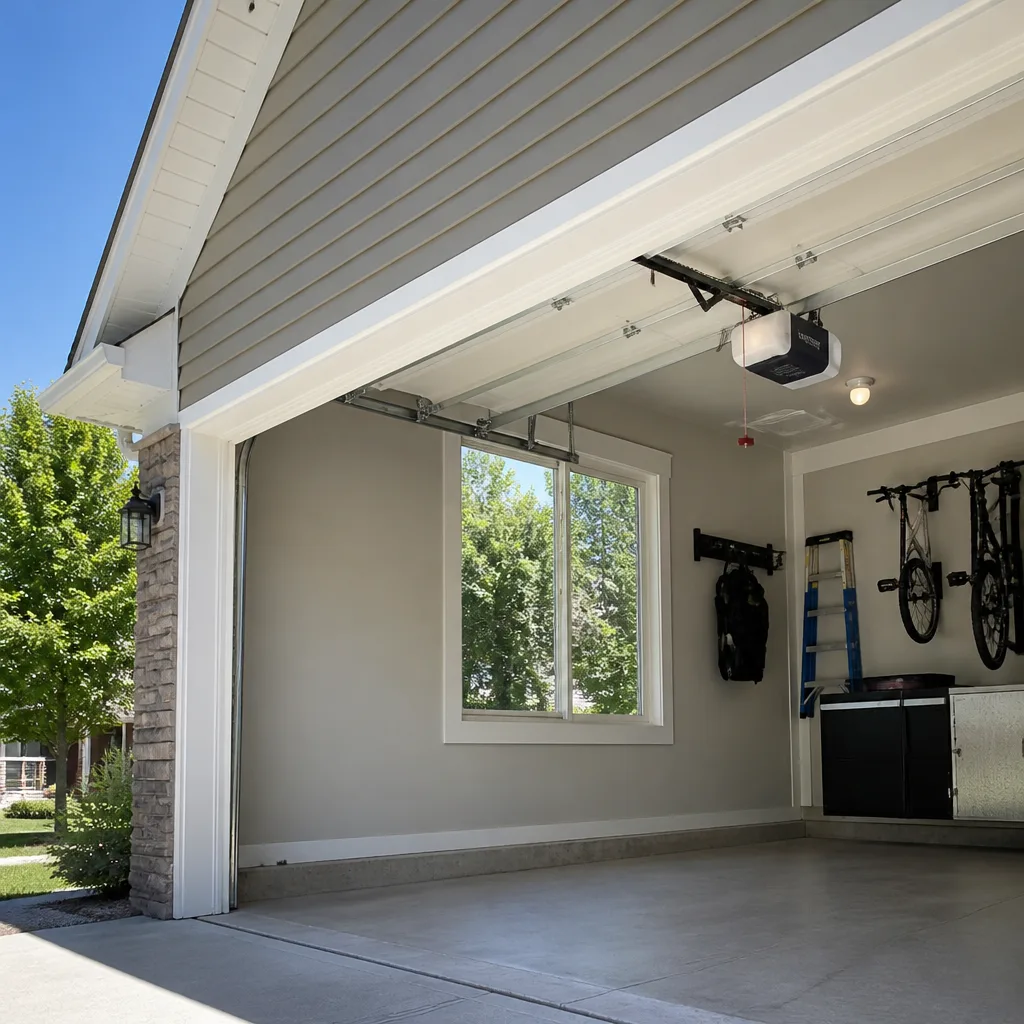 Chamberlain openers
Full 25-point door and opener safety check with every visit - springs, cables, rollers, tracks, and your LiftMaster or Chamberlain opener included
You get a price before we start. It does not change when the pro arrives.
Get your free estimateHow to Hire a Garage Door Contractor in Colorado Springs: A Step-by-Step Guide
Most homeowners hire a garage door contractor the way they’d hire a painter: whoever answers the phone first, quotes the lowest number, and can start tomorrow. That approach works fine for repainting a hallway. It fails badly for a torsion system holding 200-plus pounds of tension over your car and your kids’ bikes. In Colorado Springs, the stakes get higher after hail season, when out-of-town operators flood local listing platforms with cut-rate install quotes. This guide walks you through license verification, the five questions that separate a specialist from a generalist, how to read an estimate line by line, and the local red flags worth walking away from.
Quick Answer
Hire a garage door contractor in Colorado Springs by verifying their Colorado state registration and insurance through the DORA database, asking five diagnostic questions about spring sizing and brand-specific parts, and demanding a written estimate that itemizes springs, hardware, tracks, and labor separately. The lowest bid in a post-storm market usually signals undersized springs or universal-fit parts that fail early. A specialist who measures your door weight and specs the correct torsion spring will cost more upfront and less over the life of the door.
Styles & brands we work with
- Raised-panel steel
- Carriage house
- Modern flush
- Full-view glass
- LiftMaster openers
- Chamberlain openers
Table of Contents
- Why the Colorado Springs Garage Door Market Has a Quality Problem
- Step 1: Verify Licensing and Insurance Before Anyone Touches Your Door
- Step 2: Five Questions That Separate a Specialist From a Generalist
- Step 3: Colorado Springs Red Flags to Walk Away From
- Step 4: How to Read a Written Estimate Line by Line
- Why the Cheapest Bid Usually Costs More
- How Colorado Springs Climate Affects Your Door and Your Contractor Choice
- When to Call a Professional
Why the Colorado Springs Garage Door Market Has a Quality Problem
The garage door trade has a low barrier to entry. A truck, a ladder, a winding tool, and a business card are enough to start taking calls, and general handymen routinely list “garage door repair” alongside drywall and deck staining on national booking platforms. That overlap is the root of most bad outcomes we hear about. A handyman can swap a photo-eye bracket. What they can’t do is read a load chart, calculate the correct inside diameter and wire gauge for a torsion spring on a 16-foot door, or tell you whether a Clopay panel profile matches the rest of your existing door.
Colorado Springs makes this worse in a specific, seasonal way. Hail events along the Front Range damage panels and dent hardware, and within days of a major storm, the number of contractors advertising garage door work on those platforms jumps noticeably. Many of them aren’t garage door companies. They’re storm chasers passing through, or local handymen adding a category because demand spiked. Neither group tends to own a proper spring-winding tool, and neither has read a manufacturer load chart. What they offer is a fast, cheap quote.
Here’s the part that matters for your wallet: an undersized spring doesn’t fail on installation day. It fails 12 to 18 months later, when the cycle count catches up and the door drops. By then the contractor is gone, the parts warranty is voided by improvised fittings, and you’re paying for the job a second time. Knowing how to filter contractors in the first five minutes of a phone call protects you from that whole sequence.
Step 1: Verify Licensing and Insurance Before Anyone Touches Your Door
Colorado does not issue a single statewide “garage door contractor” license class the way some states do for electricians or plumbers, and that’s exactly why verification matters. The regulation that does apply lives with the Colorado Department of Regulatory Agencies, known as DORA, and its online database is where you check whether a company is registered, whether a specialty contractor registration is active, and whether any complaints are on file. Look up the business name before you agree to anything. If the company isn’t findable at all, that’s your answer.
Insurance is the second checkpoint, and it’s the one homeowners skip most often. Ask for a certificate of insurance showing general liability coverage, and confirm the policy is current rather than expired. If a spring slips during installation and damages a panel, a car, or a person, an uninsured operator leaves you holding the claim. A registered, insured contractor carries that risk instead.
- Look up the company name in the DORA database. Check registration status and any public complaint history.
- Request a certificate of insurance. Confirm general liability coverage is active, and ask whether workers’ compensation applies to the crew doing the work.
- Ask for the business’s physical Colorado address and a landline or local number. Storm-chaser operations often list only a mobile number and a generic email.
- Confirm the company carries the brand lines it quotes. A company that installs Amarr or Wayne Dalton doors as a dealer can order correct replacement parts; a handyman sources whatever fits.
- Get the estimate in writing with the business name and contact details on it. A verbal quote with no paper trail is not a quote.
This is the same verification round we’d recommend for any trade touching your home, and a legitimate company will hand over the information without hesitation. Hesitation is information too.
Step 2: Five Questions That Separate a Specialist From a Generalist
You don’t need to become a garage door technician to spot one. Five questions, asked on the phone before anyone books a visit, will tell you within a few minutes whether you’re talking to somebody who works on doors daily or somebody who added a category to their profile last spring.
- “What IPPT rating would you spec for my door?” IPPT stands for inch-pounds per turn, the measure of torque a torsion spring delivers per revolution. It has to match the door’s weight, height, and track radius. A specialist asks for your door’s dimensions and approximate weight before answering. A generalist says “we’ll bring the right spring” and means it literally, as in whatever’s on the truck.
- “How do you measure spring size?” The correct answer involves the wire diameter, inside diameter, and overall length, matched against a load chart for your door’s weight. The wrong answer involves eyeballing the old spring and grabbing a similar-looking one.
- “Do you stock or order brand-specific parts?” Panels, hinges, rollers, and struts differ across Clopay, Amarr, Wayne Dalton, and other lines. Brand-matched parts preserve the manufacturer warranty; universal-fit workarounds can void it.
- “Do you handle both the door and the opener, or just one?” A full-system company diagnoses the whole assembly: panels, cables, springs, tracks, and the opener logic board. Companies that split the work send you between a “door company” and an “opener company” when the real fault sits in between.
- “Which opener platforms do you work on?” If you have a LiftMaster or Chamberlain with myQ, or a Genie with Aladdin Connect, the technician should know the platform, not just the brand name. Smart openers fail in ways that legacy units don’t, and diagnosing Wi-Fi pairing faults isn’t something a generalist picks up on the fly.
Our technicians have up to 11 years of experience with both door lines and opener systems, and those five answers are the fastest way we know to tell a specialist from a parts-swapper. Ask them before you schedule.
Step 3: Colorado Springs Red Flags to Walk Away From
Every market has its tells, and Colorado Springs has several that show up again and again in the weeks after hail season. None of these are automatic proof of a bad contractor, but two or more together should send you to the next name on your list.
- Cash-only quotes with no written estimate. No paper trail means no recourse, no warranty record, and no way to compare bids fairly. Any legitimate company will put the price in writing before work starts.
- “One-size” spring sizing without measuring the door. If nobody asks for your door’s height, width, or weight, they cannot spec a torsion spring correctly. Universal springs are a shortcut that shortens the door’s life.
- Post-storm cold calls and door hangers. Out-of-town operators follow hail through El Paso County. Ask how long they’ve worked in the area and where their business is registered.
- A price dramatically below every other bid. Springs are a commodity with real costs. A bid far under the field usually means a spring with a lower cycle rating or recycled hardware, not a better deal.
- Pressure to decide today because “this price won’t last.” Garage door work isn’t a limited-time offer. Urgency pressure is a sales technique, not a service.
- No insurance certificate. If they can’t produce one, the risk of a damaged door, car, or injury lands on you.
- Reluctance to name the spring cycle rating. A technician who knows the trade can tell you whether a spring is rated for 10,000 or 25,000 cycles without checking a phone. If the number is a mystery, so is the durability.
One more Colorado Springs-specific point: steep driveway grades and tight garage aprons are common in neighborhoods on the west side, near the foothills, and in parts of the north end. A contractor who’s worked here knows that clearance and track alignment matter more when the floor slopes and the door has to run true against it. A crew arriving from a flat out-of-state market may not think to check.
Step 4: How to Read a Written Estimate Line by Line
An estimate tells you a lot about how a contractor thinks. A good one itemizes the parts, the labor, and the scope, so you can see exactly what you’re buying. A vague one lumps everything into “labor and materials” and leaves you guessing whether the spring is a 10,000-cycle unit or a 25,000-cycle unit, which is the single biggest variable in the price.
Here’s how a well-built estimate for a typical spring replacement usually reads. The ranges below are typical estimates for the Colorado Springs market, not fixed prices. Every job is priced individually, and the written estimate you receive sets the final price before any work begins.
| Line item | What it should state | Typical estimate |
|---|---|---|
| Torsion spring (single) | Wire size, inside diameter, length, and cycle rating | $150-$300 per spring |
| Matched pair | Both springs replaced together, same specs | Roughly double the single-spring price |
| Lift cables and drums | Replaced if frayed or worn; named as a line item | $80-$180 |
| Rollers and hinges | Quantity and grade specified | $60-$150 |
| Opener repair or replacement | Model, board or motor, brand-matched parts | Quoted per job |
| Labor | Scope of work described, not just a flat number | Itemized separately |
Ask the estimator these three questions about any line you don’t understand: what cycle rating is this spring rated for, is the part brand-matched or universal, and does the labor cover adjustment and testing after installation. A contractor who can answer all three without checking is worth a second look.
On a full replacement, expect the quote to separate door, hardware, opener, and installation labor. New door installation is a measured, ordered, scheduled job, so ask for a free measure and a written price rather than assuming a same-day slot. When the fault is on the opener side rather than the door, our garage door opener repair page explains what diagnosis actually involves.
Why the Cheapest Bid Usually Costs More
A spring that’s undersized for the door’s weight fails faster. That’s the whole mechanism, and it’s worth understanding because it explains the price gap between bids better than anything else.
Torsion springs are rated in cycles, meaning one full open and close. A spring spec’d for 10,000 cycles on a door that gets opened four times a day gives you roughly seven years of service under ideal conditions. A spring rated for 25,000 cycles gives you more than double that. Both look identical installed. The cheaper bid almost always hides a lower-cycle spring, thinner cables, or a universal-fit bracket that doesn’t belong on your door model. It opens and closes on day one. By year two, it’s the one that snaps.
If the job also involves new panels or a full replacement, an undersized or improvised install can void the door manufacturer’s warranty. Brand-matched parts from a company that installs Clopay or Amarr doors preserve that coverage; a mismatched bracket or a generic spring doesn’t. That’s real money lost on a door you just paid thousands for.
We’ve seen this cycle often enough that our default recommendation is to ask for the spring cycle rating in writing on every bid. Compare ratings, not just totals. A bid $80 higher with a 25,000-cycle spring is the cheaper bid in the long run.
For the full range of repair work, including torsion springs, cable, panel, and track service, see our garage door repair page for what gets covered and how a repair visit typically runs.
How Colorado Springs Climate Affects Your Door and Your Contractor Choice
Colorado Springs sits at high altitude with freeze-thaw swings, dry summers, and hail that arrives in bursts. That combination puts specific wear on a garage door that a contractor from a coastal or flat-climate market may not think to check.
Freeze-thaw cycles stress hinges, rollers, and weather seals. A door that binds in one season and runs smooth the next is often a symptom of thermal movement, not a broken part. Hail dents steel panels and can deform the thinner gauges, so a post-storm inspection should check panel integrity and the door’s balance, not just the visible dents. High-altitude UV fades finishes and dries out seals and gaskets faster than at lower elevations.
This matters for hiring because it changes what a good technician checks. A specialist on a service call will test the door’s balance, inspect hinges for wear, check the spring’s tension, and look at the seals before recommending anything. A generalist diagnoses only the thing you called about. The difference in outcome is a door that keeps opening through the next cold snap versus a call the following month.
If you’re planning a replacement after hail damage, a company that installs Clopay, Amarr, Wayne Dalton, or Raynor doors knows which panel gauges hold up better here. Big-box brands sold over the counter often don’t offer the same gauge or insulation options. For homeowners searching Colorado Springs addresses after storm season, ask specifically whether the door you’re quoted is rated for the local climate and how it’s ordered.
See the difference
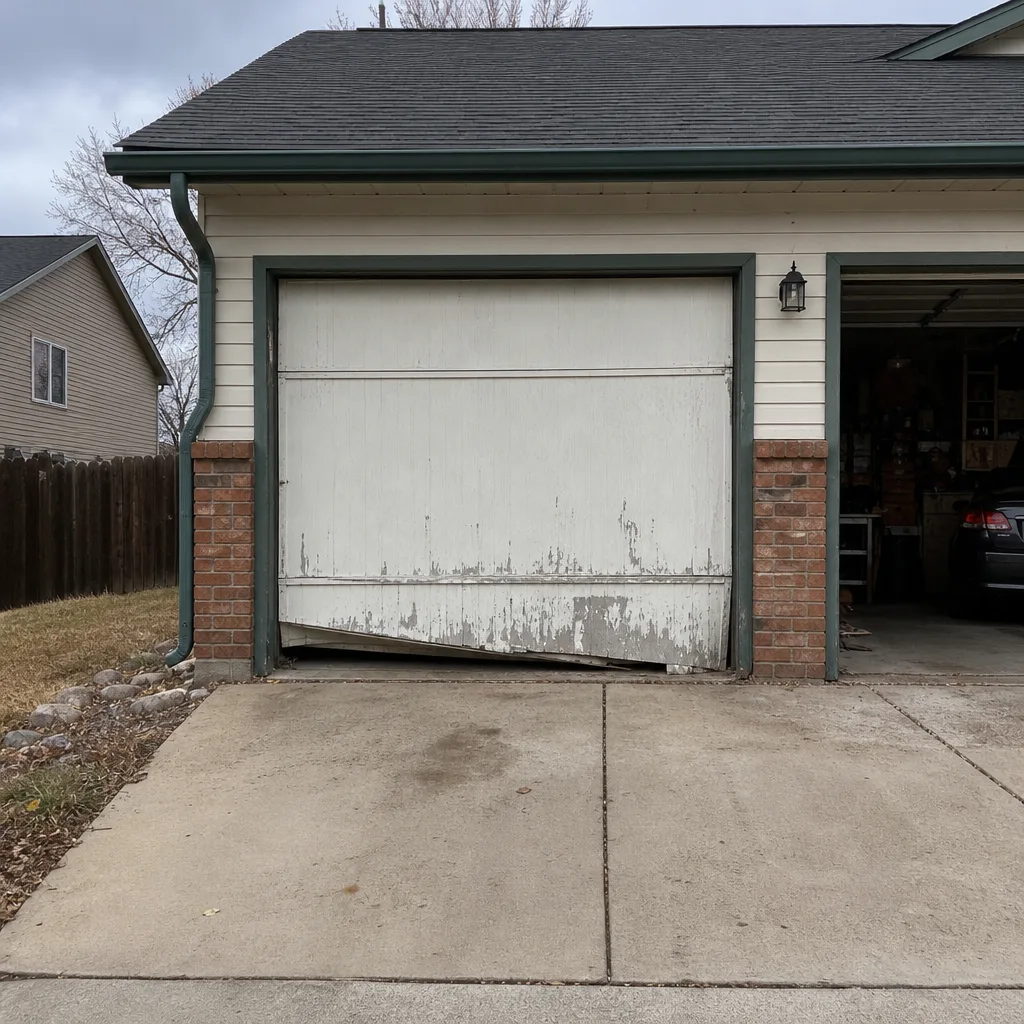 Before
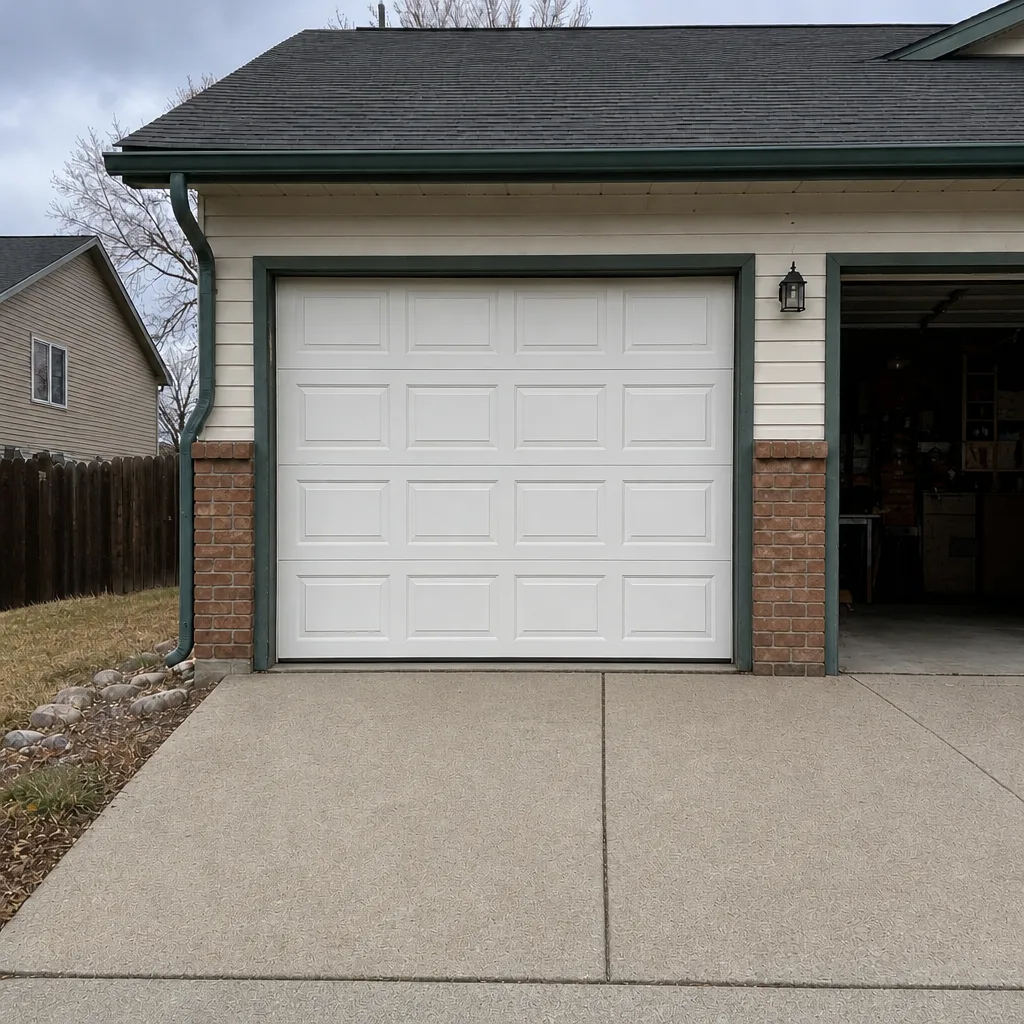 After
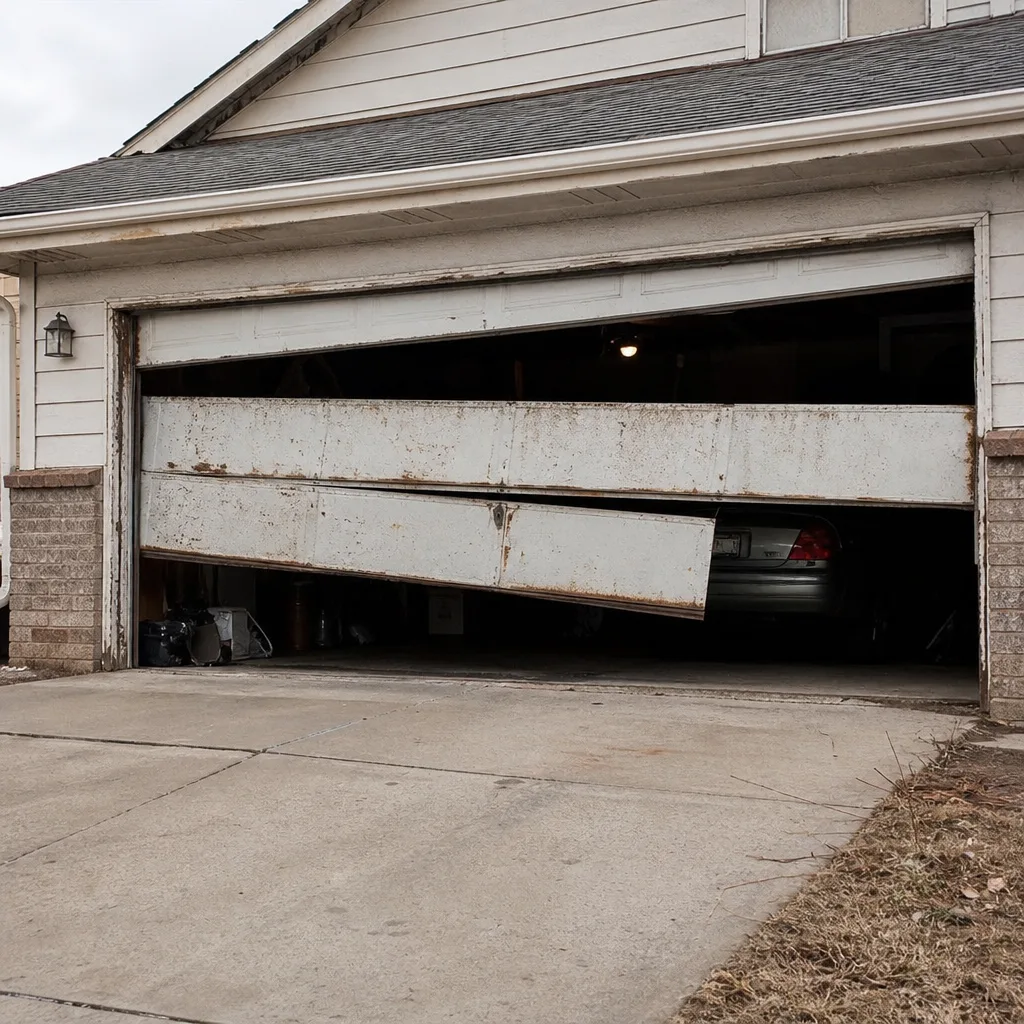 Before
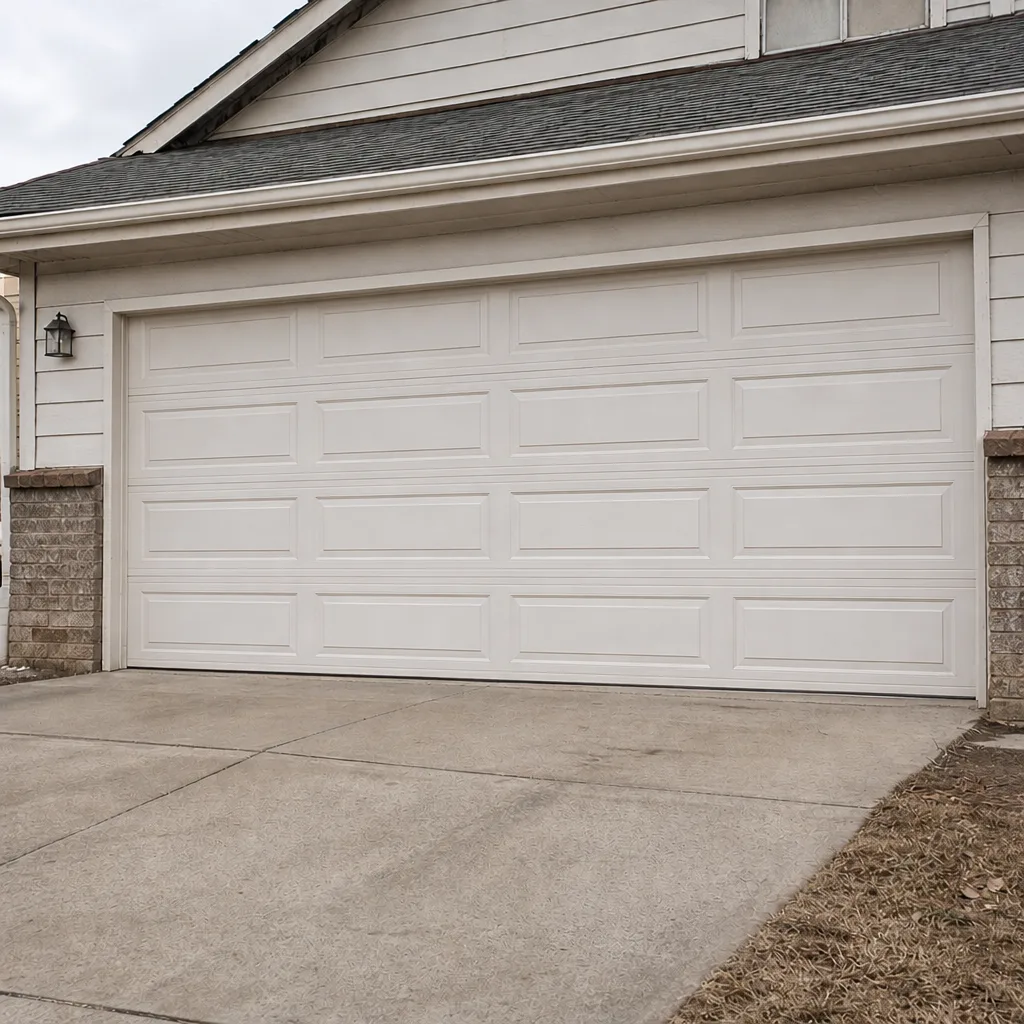 After
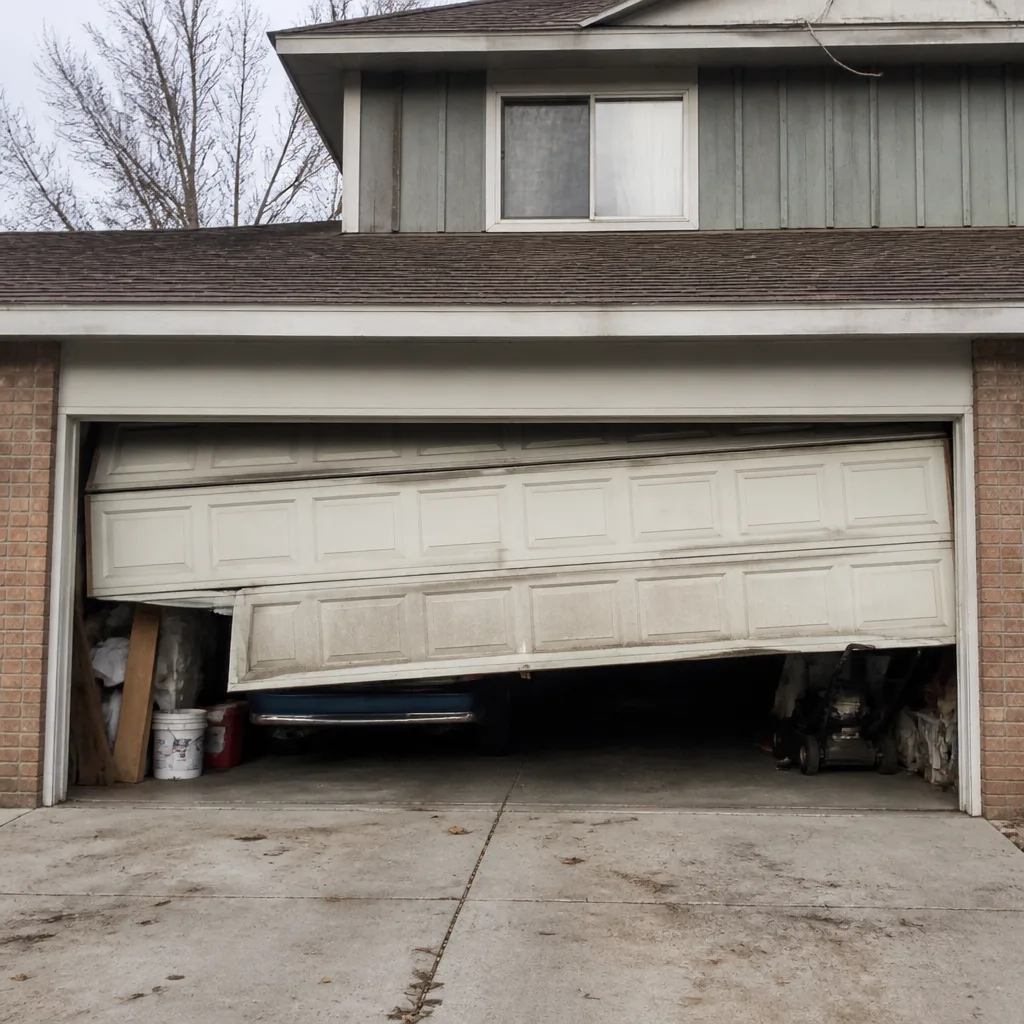 Before
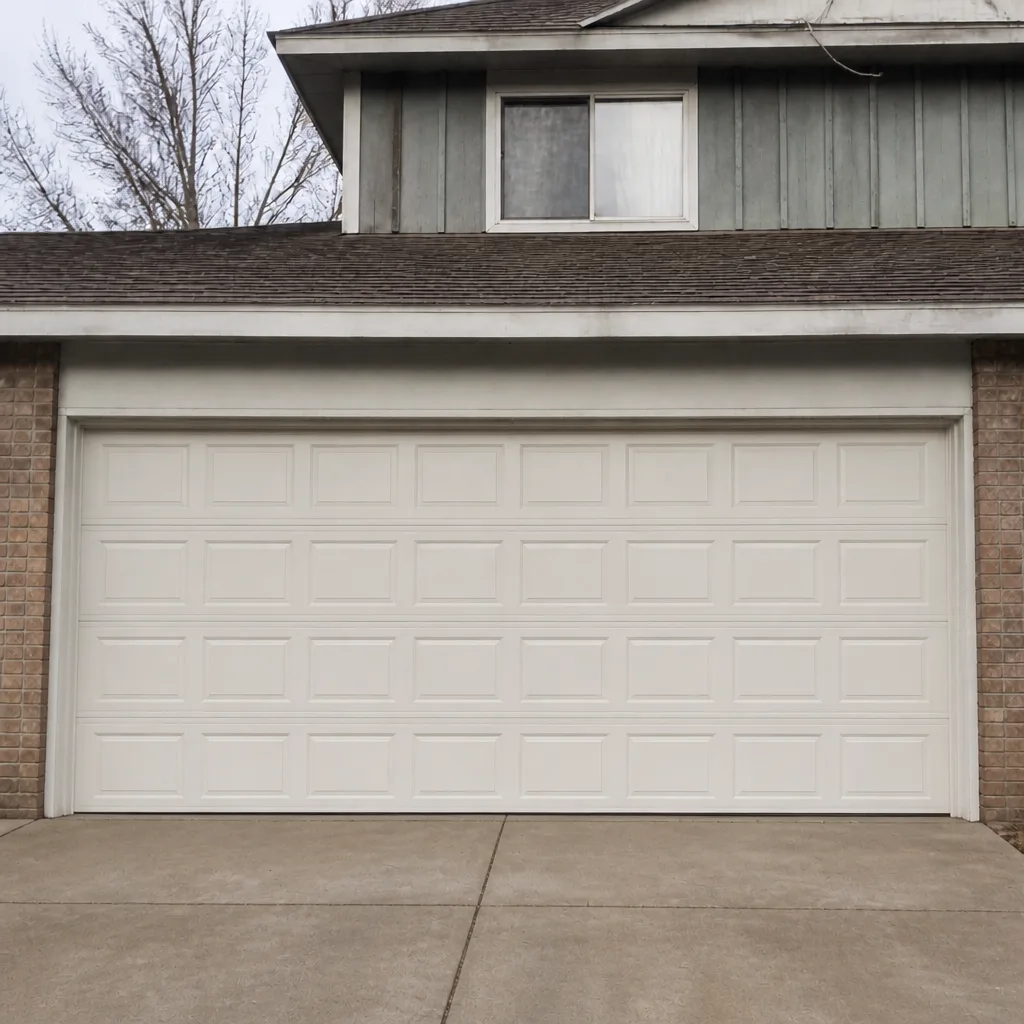 After
Common Mistakes to Avoid
- Hiring on price alone. The lowest bid almost always means a lower-cycle spring or universal-fit parts. Compare cycle ratings, not just quotes.
- Skipping the DORA lookup. Five minutes on the state database tells you whether the company is registered and whether complaints exist. Skip it and you’re guessing.
- Accepting a verbal quote. Without a written itemized estimate, you have no way to verify what parts went in or what the job actually covered.
- Letting someone replace one spring when both are worn. Matched springs fail together. Replacing one usually means the second fails within months, and you pay a second visit charge.
- Assuming a general handyman can fix the opener. Smart opener platforms like myQ and Aladdin Connect fail on logic boards and Wi-Fi modules. A generalist swaps batteries and hopes.
- Scheduling a full replacement in a storm rush. Pressed contractors cut corners on measurement and track alignment. A measured, ordered install beats a rushed one.
- Forgetting to ask about the warranty. Brand-matched parts preserve manufacturer coverage. Improvised fittings can void it, and a year later you’re paying out of pocket.
When to Call a Professional
Call a professional when the door won’t open or close evenly, when you see a frayed cable, or when the opener runs but the door doesn’t move. Those are the cases where the fix involves tensioned components, and a torsion spring under load can cause serious injury if it’s handled without the right tools. Don’t attempt to wind or unwind a spring yourself; that’s the one part of this trade where the risk of a serious injury is real. A trained technician with a winding tool and the right load-chart specs is the safe choice.
Also call when the opener’s logic is confusing you: a door that reverses partway down, an opener that loses its Wi-Fi connection, or a remote that works intermittently. Those faults need diagnosis, not guesswork. Our Westbrook Garage Door Repair team offers free estimates in Colorado Springs. If you want to know what a fair quote looks like before you call, start with our contractor guide and bring your questions. Call (855) 473-9096. We answer 24/7. Fast dispatch from 7am to 7pm, Sunday through Friday. Every price is quoted and agreed before work starts.
Frequently Asked Questions
Ask for the company’s Colorado DORA registration and an active insurance certificate before booking any work. Colorado’s contractor registration lives with the Department of Regulatory Agencies, and looking the business up in the DORA database is the fastest verification. If a contractor can’t produce registration or proof of insurance, don’t let them start.
Typical estimates for a single torsion spring in the Colorado Springs area run about $150 to $300, depending on the spring’s cycle rating and the door’s size. A matched pair is usually replaced together and costs roughly double a single spring. The written estimate you receive sets the final price before work begins. Call (855) 473-9096 for an exact quote; estimates are free.
Ask for your door’s IPPT rating, how they measure spring size, whether they use brand-matched parts, and which opener platforms they work on. A specialist answers these without hesitation and asks for your door’s dimensions in return. A generalist dodges the technical questions or promises “we’ll figure it out on site.”
Post-storm demand brings out-of-town operators and general handymen into the market, and their bids often cut corners on spring cycle ratings, parts grade, or track alignment. A bid far below the rest usually means a lower-cycle spring or universal parts. Compare the itemized line items and cycle ratings, not just the bottom line.
No. Torsion springs are under heavy tension and can cause serious injury if they’re wound or released without the right tools and training. This is the part of the trade where we always recommend a trained technician. If you see a snapped spring, keep the door closed and call a professional.
Usually, yes. A lower-cycle spring wears out faster, often within 18 months on a door that’s used daily, and a second repair wipes out the savings. If the door is new, mismatched or universal parts can also void the manufacturer’s warranty. Ask for the cycle rating in writing on every bid.
Look for familiarity with Clopay, Amarr, Wayne Dalton, Raynor, LiftMaster, Chamberlain, Genie, and Craftsman. That covers most doors and openers installed across the area. A contractor who knows the specific brand on your door specs the right part the first time instead of improvising a fit.
Ask for a certificate of insurance showing active general liability coverage, and confirm the policy date hasn’t expired. Ask whether workers’ compensation covers the crew on site. An insured company protects you if a spring slips and damages a panel or a car.
For more on what our team covers across the city, see the Colorado Springs service page.
The Bottom Line
Hiring a garage door contractor in Colorado Springs comes down to verification and specificity. Check the DORA database and the insurance certificate before anything else. Ask the five questions about spring sizing, brand-matched parts, and opener platforms, and listen for technical answers rather than reassurance. Demand a written estimate that itemizes springs, cables, hardware, and labor separately, and compare cycle ratings rather than totals. In a market that fills with cut-rate operators after every hailstorm, the contractor who measures your door and specs the right spring is the one whose work lasts. When you’re ready for a free estimate, call Westbrook Garage Door Repair at (855) 473-9096.
Written by the team at Westbrook Garage Door Repair.