
Last updated November 15, 2026
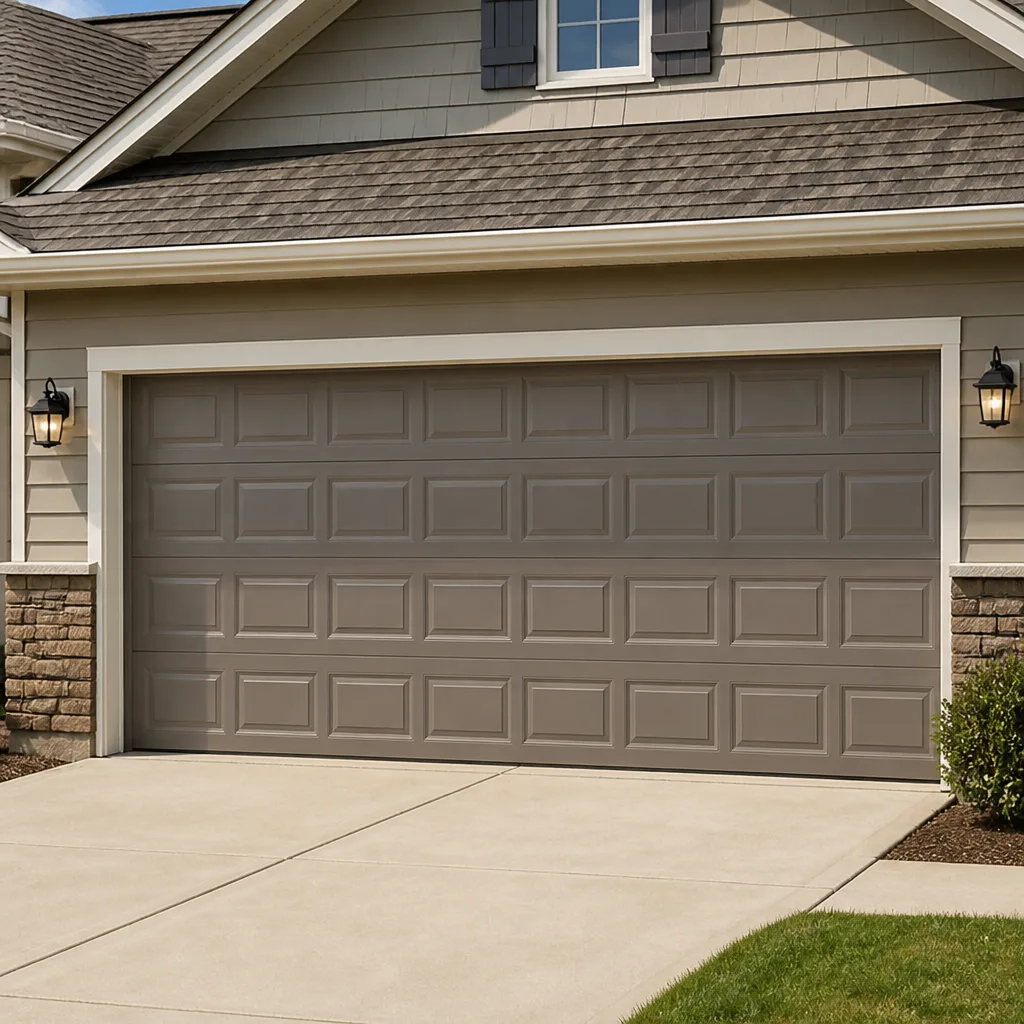 Raised-panel steel
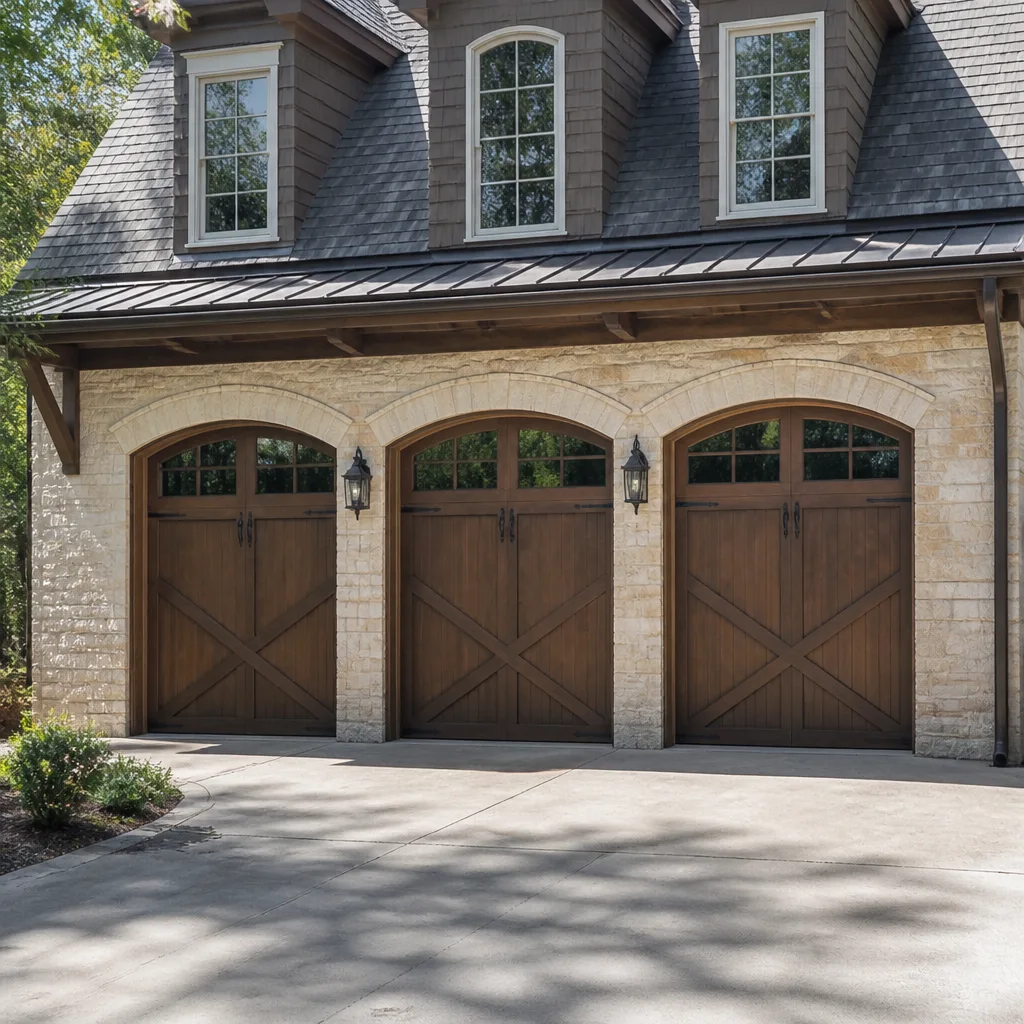 Carriage house
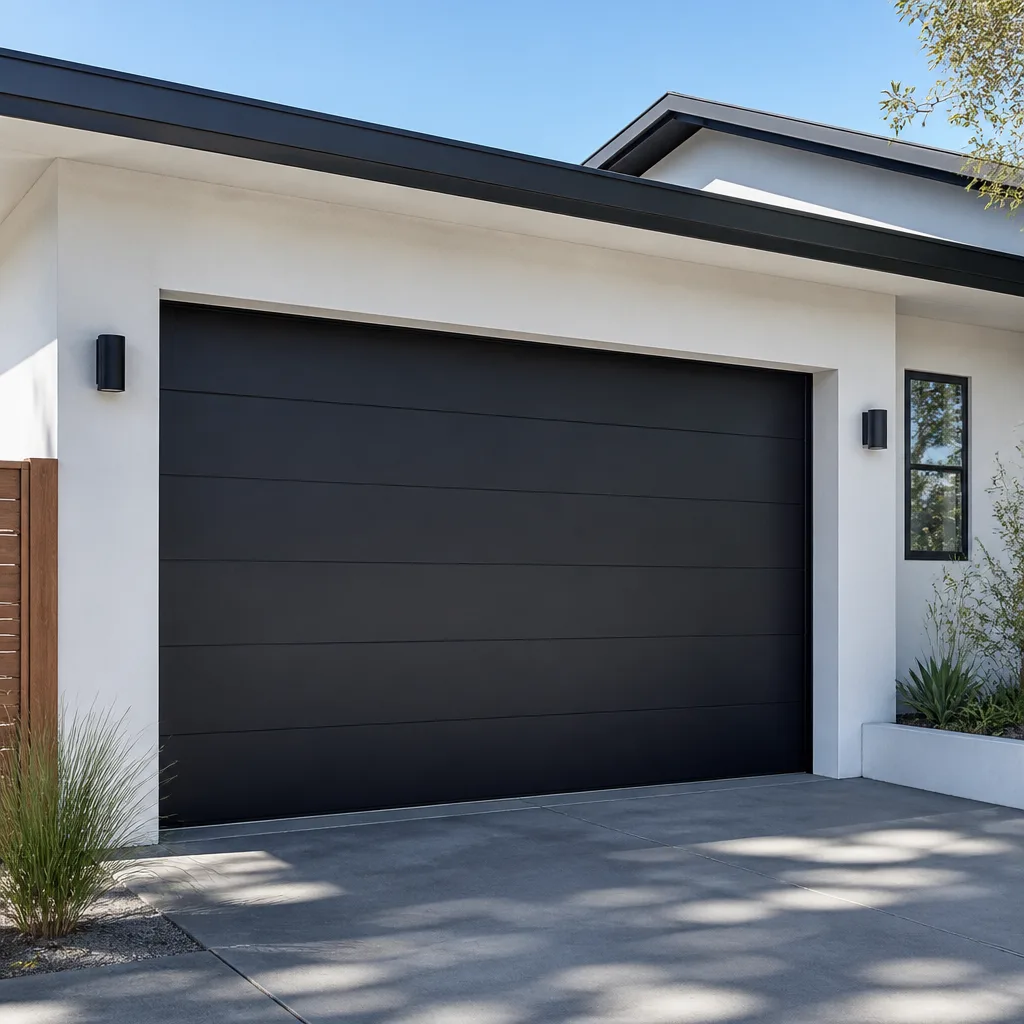 Modern flush
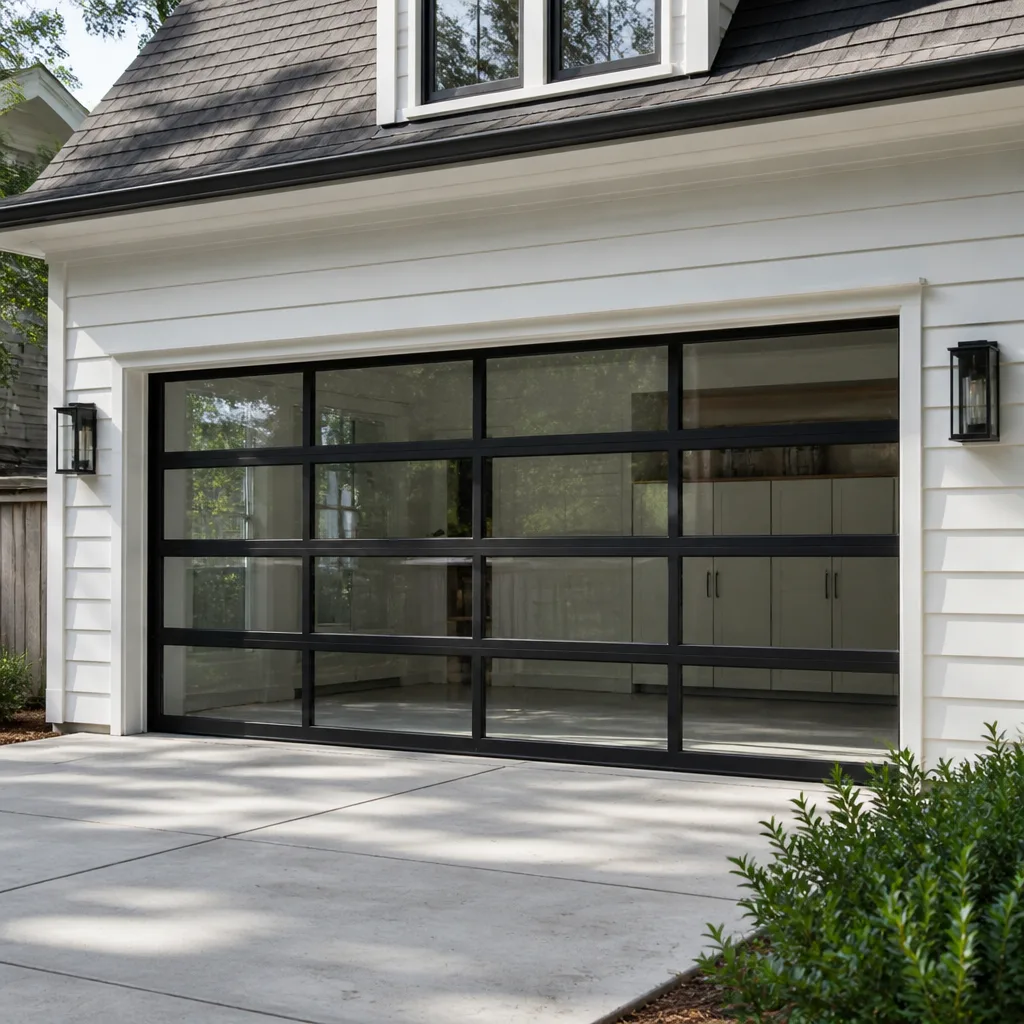 Full-view glass
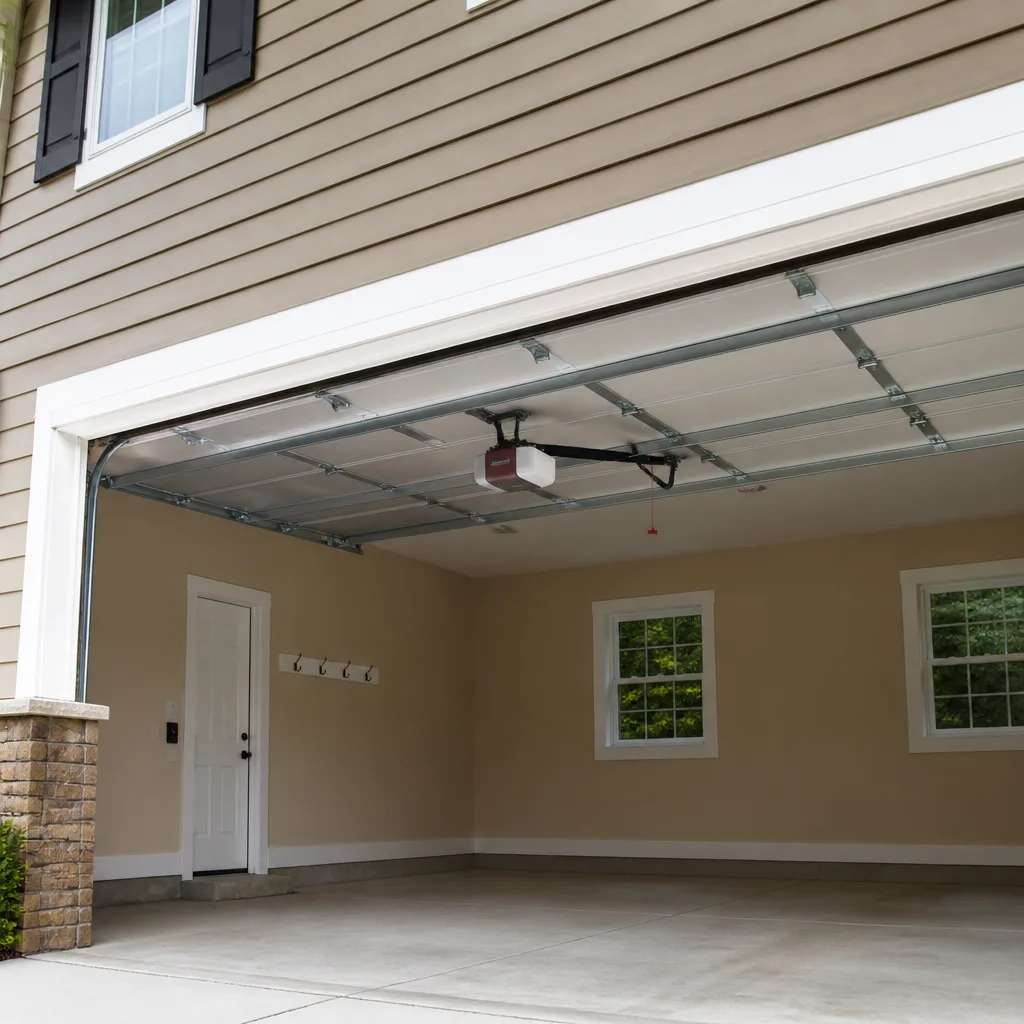 LiftMaster openers
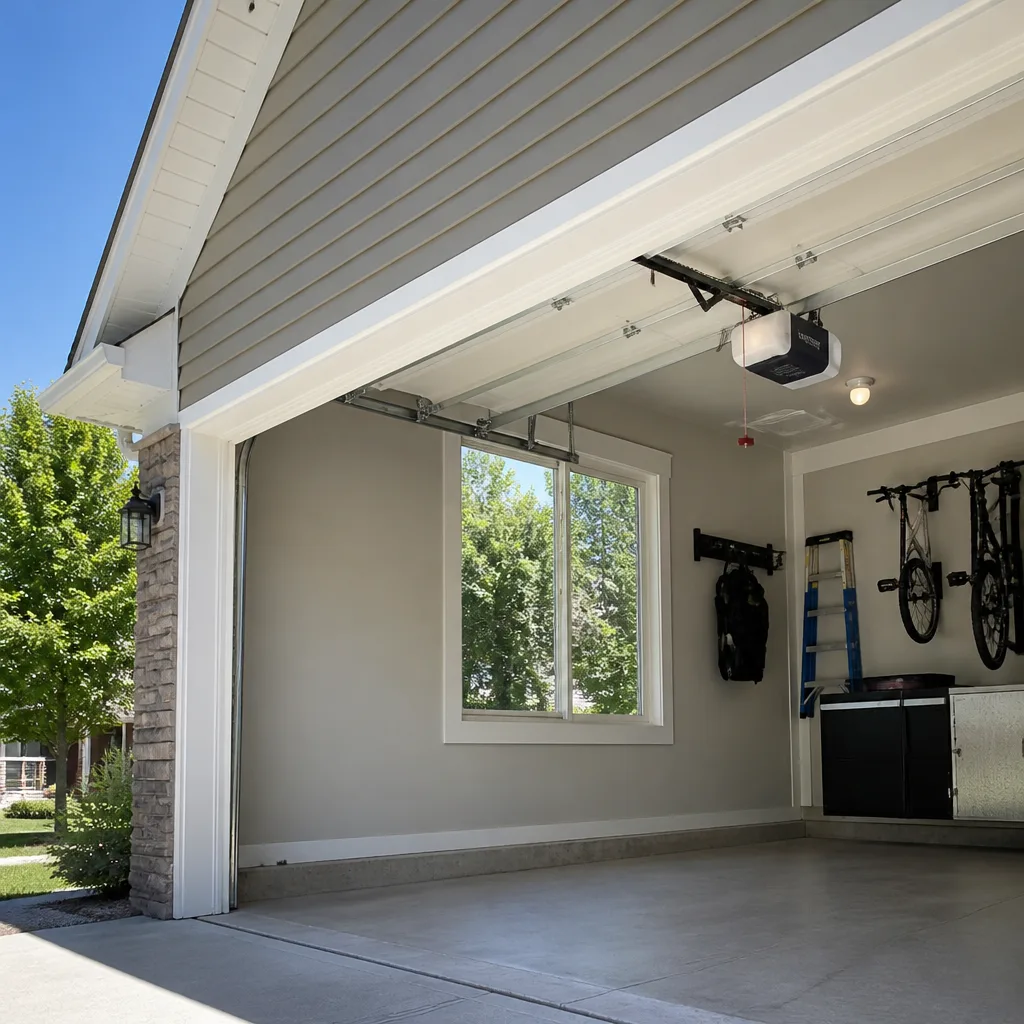 Chamberlain openers
Full 25-point door and opener safety check with every visit - springs, cables, rollers, tracks, and your LiftMaster or Chamberlain opener included
You get a price before we start. It does not change when the pro arrives.
Get your free estimateThe Complete Guide to Garage Doors in Colorado Springs
Most garage door advice you’ll find online was written for a generic suburb at sea level. Colorado Springs isn’t that place. At 6,035 feet, UV radiation here runs roughly 25% more intense than at sea level, and that single fact reshapes how panels fade, how seals crack, and how long an opener’s circuit board survives. Add hail season, sharp daily temperature swings, and wind coming off the Front Range, and the door on your house is working under conditions a national guide never accounted for. This guide maps each component decision to the way things actually fail in Colorado Springs, so you can buy, maintain, and repair with the right context from day one.
Quick Answer
A garage door in Colorado Springs should be chosen and maintained around three local pressures: intense high-altitude UV, wide daily temperature swings, and hail and wind exposure along the Front Range. Steel panels with a quality factory finish, correctly tensioned torsion springs, heavier track gauge, and a modern opener rated for temperature variation hold up best. Most failures here trace back to sun and temperature rather than wear alone, which is why the right part for your model matters more than the cheapest fix.
Styles & brands we work with
- Raised-panel steel
- Carriage house
- Modern flush
- Full-view glass
- LiftMaster openers
- Chamberlain openers
Table of Contents
- How Colorado Springs Altitude and UV Reshape Panel Choice
- Spring Tension and the Temperature Swing Problem
- Wind Load, Hail, and Why Track Gauge Matters Here
- Component by Component: What Fails First in Colorado Springs
- HOA Rules in Briargate and Flying Horse
- Openers and Smart-Home Upgrades
- Repair or Replace? A Colorado Springs Decision Framework
- A Seasonal Maintenance Plan for the Front Range
How Colorado Springs Altitude and UV Reshape Panel Choice
Altitude changes the sun. With thinner atmosphere overhead, ultraviolet light hits harder in Colorado Springs than it does in lower-elevation markets, and your garage door takes that exposure on its face every clear day. The result shows up first as fading and chalking on painted steel, then as cracking in the weather seal along the bottom and sides. Where a national guide might tell you a door lasts a certain number of years, the honest answer here is that sun exposure, not mechanical wear, often sets the clock.
Panel material choice is where this matters most, and the three common options behave very differently at 6,035 feet:
- Steel. Steel panels with a factory-applied finish handle UV best. The color holds longer, the surface resists chalking, and a steel door shrugs off hail dents better than thin aluminum. This is the material we see hold up most consistently in Colorado Springs.
- Wood. Wood looks great and takes paint well, but intense UV dries and checks the surface faster here than at lower elevation. A wood door in Colorado Springs needs repainting on a tighter schedule to keep moisture out and stop splitting.
- Fiberglass. Light and rust-free, but fiberglass can yellow and grow brittle under strong UV. If you go fiberglass, look for a gel coat built to resist sun, and expect the finish to need attention sooner than a good steel door.
Panels from Clopay, Amarr, Wayne Dalton, and Raynor are sold through professional channels rather than big-box stores, and their factory finishes are formulated for real sun exposure. When we install a door, matching the right panel line to a high-UV climate is part of the diagnosis, not an afterthought. If you want a specific door replaced rather than the whole system, garage door repair can cover a damaged section while leaving the rest of a sound door in place.
Spring Tension and the Temperature Swing Problem
The torsion spring is the part that lifts your door, and it’s the part most sensitive to temperature. On the Palmer Divide and across much of the Colorado Springs area, a garage can see daily temperature swings of around 40°F between a cold morning and a warm afternoon. Steel expands and contracts with that swing, and a spring wound to a fixed tension at one temperature behaves differently at another. That’s why a door that ran smoothly in mild weather can suddenly feel heavy, sluggish, or loud when the cold sets in.
A torsion spring is engineered to a specific wire size, coil count, and number of turns that balance the door’s weight. When the number of turns is off, or the spring is the wrong wire gauge for a door that’s heavier than the installer assumed, the door works against the opener and against you. In our experience, a spring that’s slightly under-tensioned in a Colorado Springs winter is a common reason a door feels like it’s fighting the motor.
Two things matter more here than in milder climates:
- Correct spring sizing at installation. The spring has to be matched to the door’s actual weight and the local temperature range, not just the door’s width and height.
- Replacing springs in matched pairs. When one spring of a pair breaks, the other has lived the same cycles and the same temperature swings. Replacing both keeps the tension balanced and prevents a second failure.
Torsion springs are under extreme tension and can cause serious injury if handled without the right tools and training. Don’t attempt a spring replacement yourself. If your door suddenly feels heavy or won’t lift, the safe move is a professional diagnosis, and that’s the kind of work our team handles every day.
Wind Load, Hail, and Why Track Gauge Matters Here
Homes near Pikes Peak and along exposed parts of the Front Range catch serious wind, and wind pushes on a garage door like a sail. That pressure travels through the panels into the tracks and into the brackets holding everything to the wall. In a wind-exposed Colorado Springs neighborhood, the weak point is often a light-gauge track that flexes under load and eventually bends or pulls loose. Heavier track gauge and proper reinforcement aren’t luxuries here; they’re what keeps the door in its channels when the wind picks up.
Hail is the second local force. Hail doesn’t usually punch through a good steel door, but it can dent, chip the finish, and crack a brittle panel. The choices that help:
- Panel thickness and material. A heavier steel panel resists denting better than a thin one, and it holds its shape through repeated hail seasons.
- Track gauge. Thicker steel track resists bending from wind load and holds the rollers in alignment longer.
- Reinforcement struts. On wider or wind-exposed doors, a strut across the top section stiffens the door against both wind and daily flex.
If your door has been through a hail season and looks fine but runs rough, a bent track or a knocked-out roller is worth checking. Wind and hail damage often shows up in the hardware before the panels.
Component by Component: What Fails First in Colorado Springs
Not every part of a garage door ages at the same rate, and in Colorado Springs the local conditions push certain components to the front of the line. Here’s how the system breaks down, roughly in order of what we see fail first.
- Weather seal and bottom seal. The strip along the floor and the sides takes the most direct sun and the most temperature flex. It cracks, hardens, and stops sealing first, which lets in cold, dust, and pests. This is the cheapest part to replace and the one most often neglected.
- Torsion springs. Cycles plus temperature swings wear springs faster than cycles alone. A door that’s seen many Colorado Springs winters may need springs before it looks old.
- Tracks and rollers. Wind load and daily temperature expansion punish light-gauge track and worn nylon rollers. Misaligned track is a common cause of a door that binds or drags.
- Panels and finish. UV drives fading and chalking on the sunny face, and hail adds dents and chips. The finish is what protects the steel underneath, so a failing finish is a real structural concern, not just cosmetic.
- Opener and circuit board. Temperature swings and intense sun on a south- or west-facing garage door heat the space behind it. That heat, plus normal wear, stresses opener electronics over time. A dead circuit board often shows up as an opener that powers on but won’t run.
Understanding the order helps you spend money where it counts. Fixing a worn seal and keeping track aligned can add years to the rest of the system. When the opener itself is the problem, our garage door opener repair covers the electronics, the logic board, and the mechanical drive together, so the diagnosis looks at the whole unit instead of one guess at a time. And because we work on the brands we know, we use the right part for your model rather than a universal-fit workaround.
HOA Rules in Briargate and Flying Horse
Before you fall in love with a door style online, check your HOA. Neighborhoods like Briargate and Flying Horse, along with many other planned communities around Colorado Springs, set design standards that can limit color, panel style, window inserts, and even the visibility of hardware from the street. A door you’ve picked out can be perfectly good and still be denied because it doesn’t match the neighborhood palette.
The practical approach is to confirm the rules before ordering, not after. Some HOAs want a specific color family, others care about whether the door style reads as “traditional” or “carriage,” and some restrict window placement. Getting the approval in writing first saves the cost and hassle of a door you can’t install.
When you’re ready to choose, we install Clopay, Amarr, Wayne Dalton, and Raynor doors, all available in styles and color options that fit common HOA standards. A free measure and a written price let you compare options and confirm what your HOA will approve before anything is ordered. If you’re also weighing a fresh start for the whole door, new installation is handled by the same team that would repair it later, so there’s no handoff between a door company and an opener company.
Openers and Smart-Home Upgrades
An opener is the part of the system most likely to feel outdated before it actually fails. In Colorado Springs, a garage that faces west or south takes sun and heat through the door, and that environment is hard on electronics over the years. When an older opener starts acting up, homeowners often discover the rest of the system is fine and the opener is the weak link.
Modern openers fall into two broad families, and the brand you choose affects what you can do later:
- The LiftMaster and Chamberlain myQ ecosystem. These openers support app control, alerts when the door is open, and integration with common smart-home setups. If you want your garage to work with the rest of your connected home, this is a strong path.
- Genie Aladdin Connect. Genie’s connected platform offers app control and status monitoring on the Genie side. If you’ve standardized on Genie, staying within that ecosystem keeps things simple.
We work on LiftMaster, Chamberlain, Genie, and Craftsman openers, both the older mechanical units and the current Wi-Fi-enabled models. That matters because a smart opener isn’t just a motor with an app; the logic board, travel limits, and safety sensors all have to be set and matched correctly. When an opener is genuinely at the end of its life, replacing it with a modern unit is a scheduled job, not a same-day scramble, so you get the right model for your door and your home setup. Upgrading the opener is also a natural moment to look at the door itself, which is why we can carry a customer from a failing opener all the way to a brand-new door.
Repair or Replace? A Colorado Springs Decision Framework
The repair-or-replace question comes down to whether the door’s structure is still sound. If the panels are straight, the tracks are true, and the hardware is intact, a repair is usually the better spent dollar. If the finish has failed across the whole face, panels are dented from repeated hail, or the door has been patched together over multiple repairs, replacement often makes more financial sense than chasing one more fix.
Ask yourself these questions in order:
- Is the failure mechanical or structural? A broken spring, dead opener, or misaligned track is mechanical and usually repairable. Warped panels or a rotted frame are structural.
- How many repairs has the door had? One repair is normal. A door that needs work every season is telling you something.
- Is the finish protecting the steel? Chalking, peeling, or widespread fading means the coating is failing, and that’s a replacement signal in a high-UV climate like Colorado Springs.
- Does the door still match your HOA and your home? If you’re updating anyway, it’s worth checking whether a new door suits the house better.
When you’re weighing it out, a free estimate gives you a straight read: what’s failing, what a repair involves, and what a replacement would cost. The price is quoted and agreed before any work starts, so there’s no surprise after the fact.
A Seasonal Maintenance Plan for the Front Range
A little seasonal attention goes a long way in Colorado Springs conditions. You don’t need to service the door every month, but timing a few checks to the seasons keeps the sun-and-temperature wear from turning into a repair.
- Before winter. Test the balance by lifting the door halfway by hand, then letting go. A well-balanced door holds. Feel for heaviness that suggests a tired spring, and listen for grinding or squeaking that points to dry rollers or a track issue.
- After winter. Check the bottom seal for cracking from the cold, and look at the weather strip along the sides. Replace the seal if it’s hard or split so it seals again before warm weather.
- Before summer sun. Wash the door face and check the finish for chalking or peeling. If the factory finish is failing, a professional look is worth it, because UV in Colorado Springs works on the coating every clear day.
- After hail season. Walk around the door and check for dents, bent track, or rollers that have popped out. Hail damage often lives in the hardware even when the panel looks unchanged.
- Year-round. Keep the track clear of grit and avoid forcing a door that binds. A door that suddenly feels heavy or won’t lift is a safety issue, not a nuisance.
For balance and safety, remember that springs and cables are under extreme tension. The checks above are for your eyes and ears, not your hands on the spring. Leave tension and hardware repairs to a trained technician, and treat a suddenly heavy door as a call to make, not a project to take on. When a door needs attention, our garage door repair team handles the full system, springs, tracks, and all.
Common Mistakes to Avoid
- Buying a door the same way you’d buy one at sea level. Altitude changes the sun and the temperature swings, so UV-resistant finishes and correctly sized springs matter more here than a national guide will tell you.
- Ordering before checking the HOA. In Briargate, Flying Horse, and other planned Colorado Springs neighborhoods, a door that doesn’t match the rules can be denied after you’ve paid for it. Confirm approval first.
- Replacing one spring of a pair. The second spring has lived the same cycles and temperature swings, so a single replacement usually means a second failure soon after. Replace the pair.
- Chasing the cheapest fix on a failing finish. In a high-UV market, a failing factory finish lets sun work on the steel underneath. Patch jobs on a worn face rarely last.
- Ignoring the seal until winter. A cracked bottom seal lets cold in and pushes the opener harder. It’s the cheapest part to replace and the most often skipped.
- Assuming hail damage is only cosmetic. A hail season can bend a track or knock out a roller even when the panel looks fine. Check the hardware.
- Letting an outdated opener fail before planning. If your opener is old and the door is sound, a modern unit is a scheduled upgrade. Replacing it on your schedule beats dealing with it stuck open.
See the difference
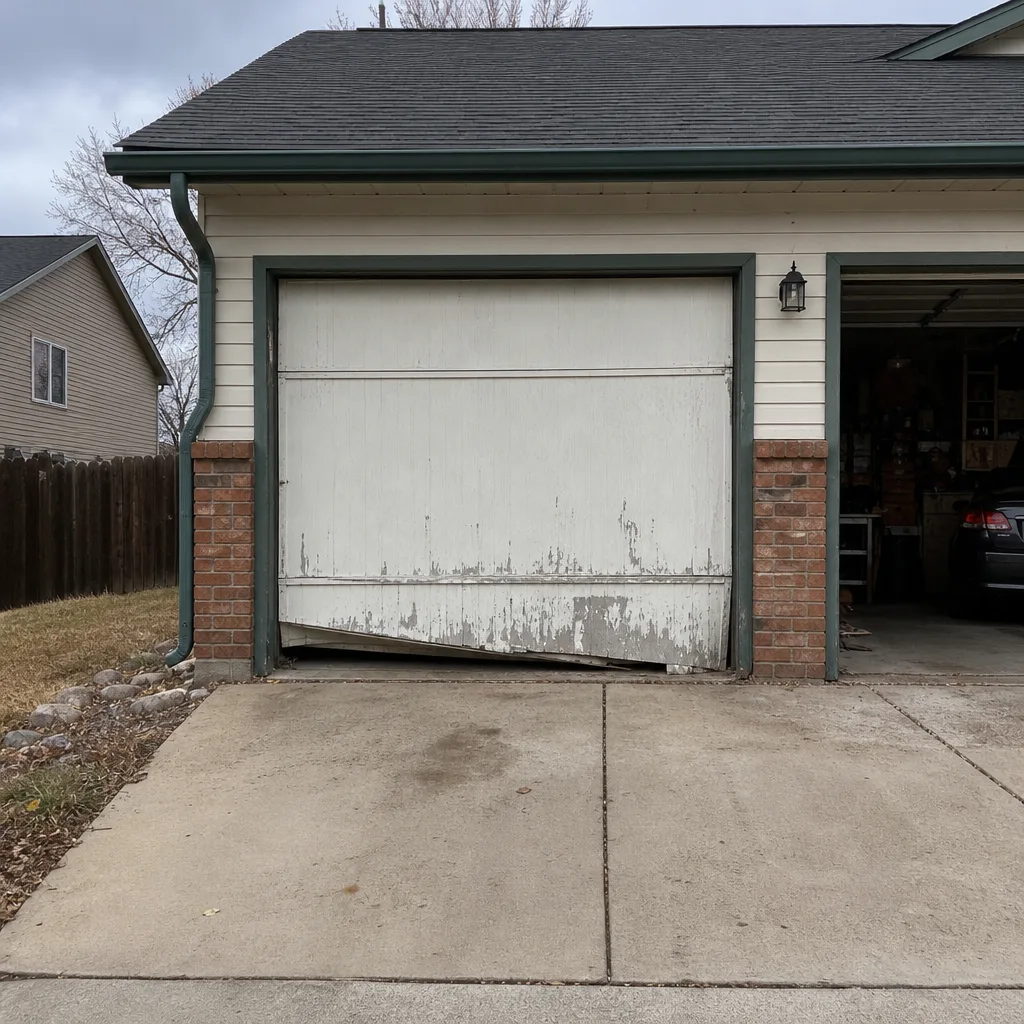 Before
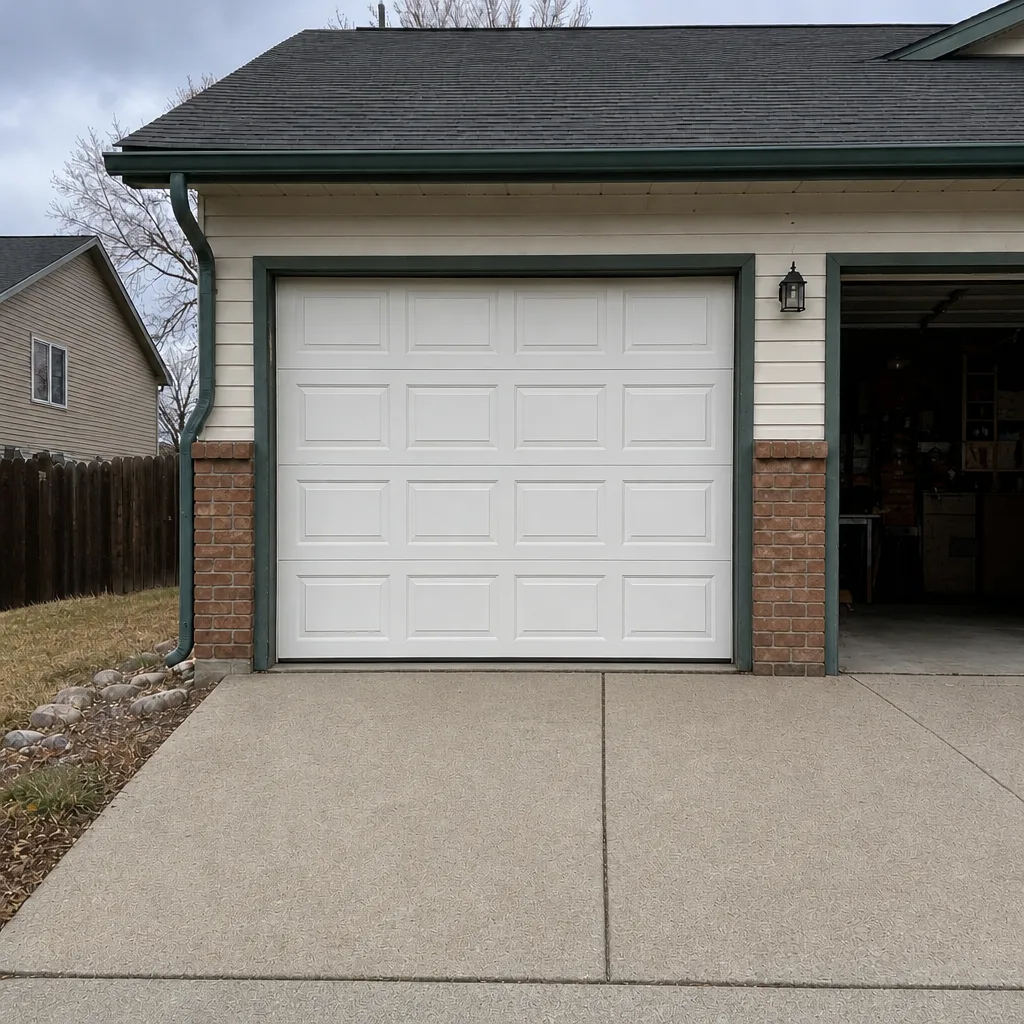 After
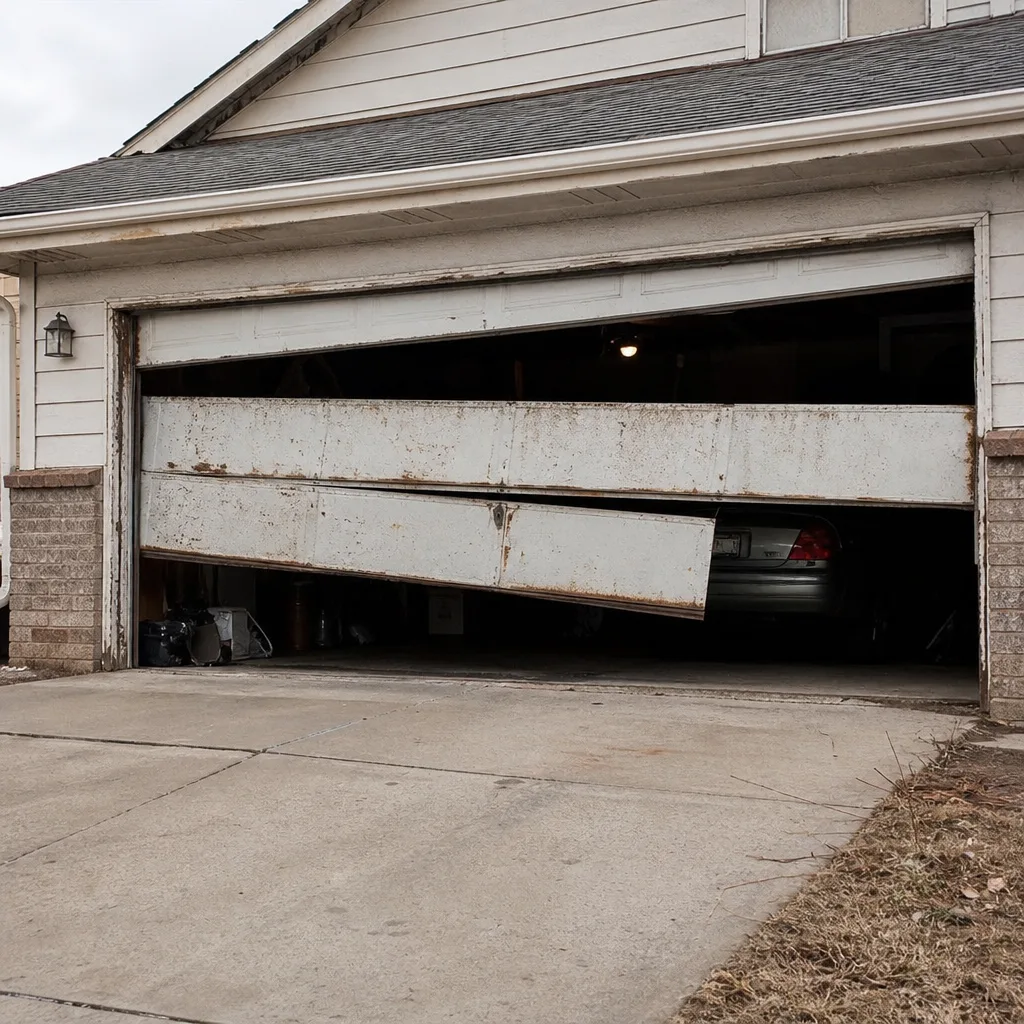 Before
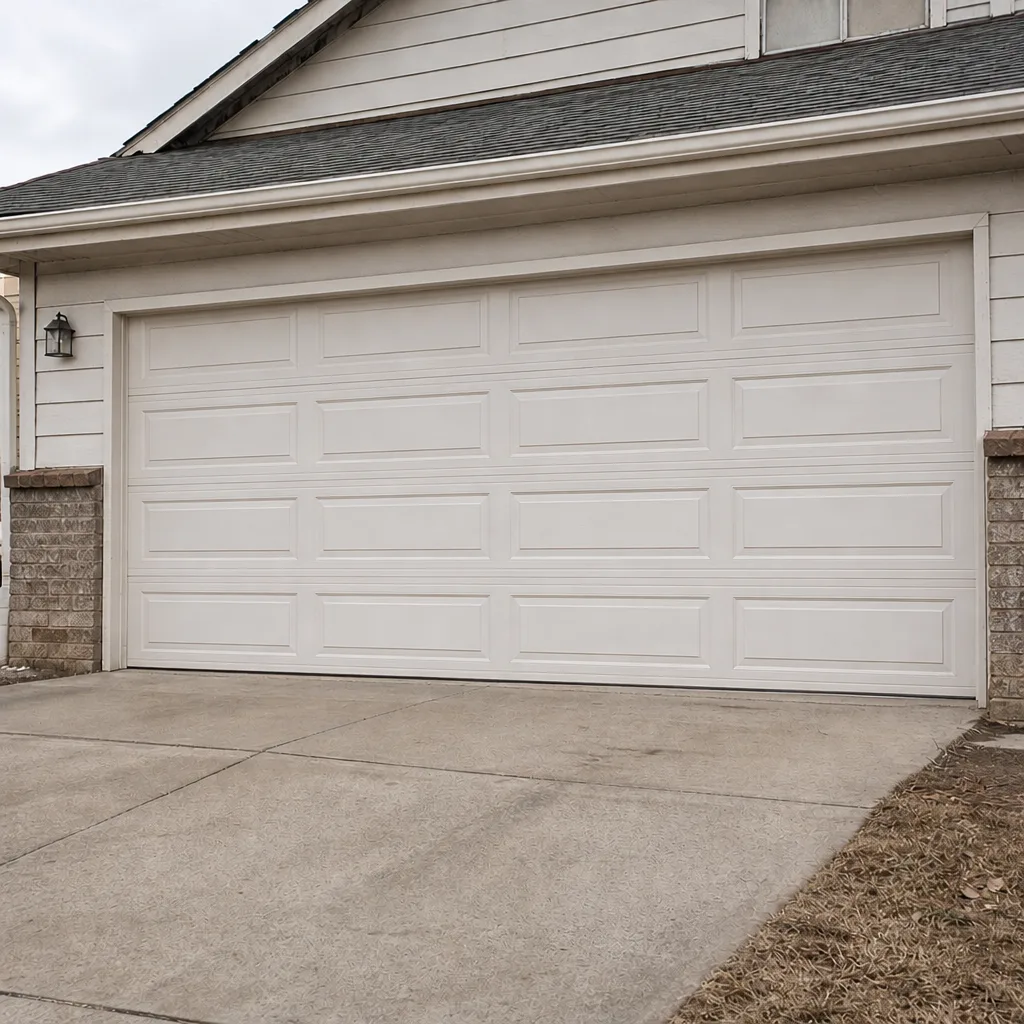 After
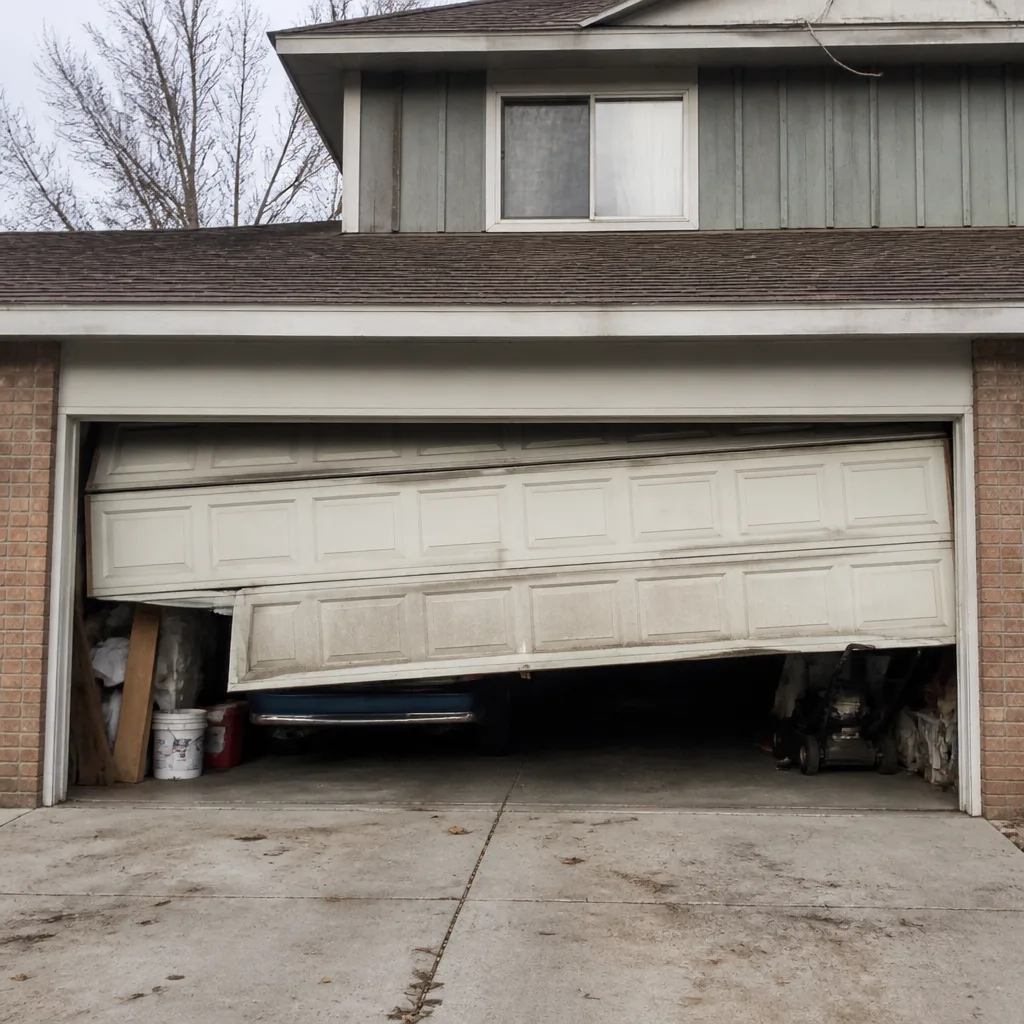 Before
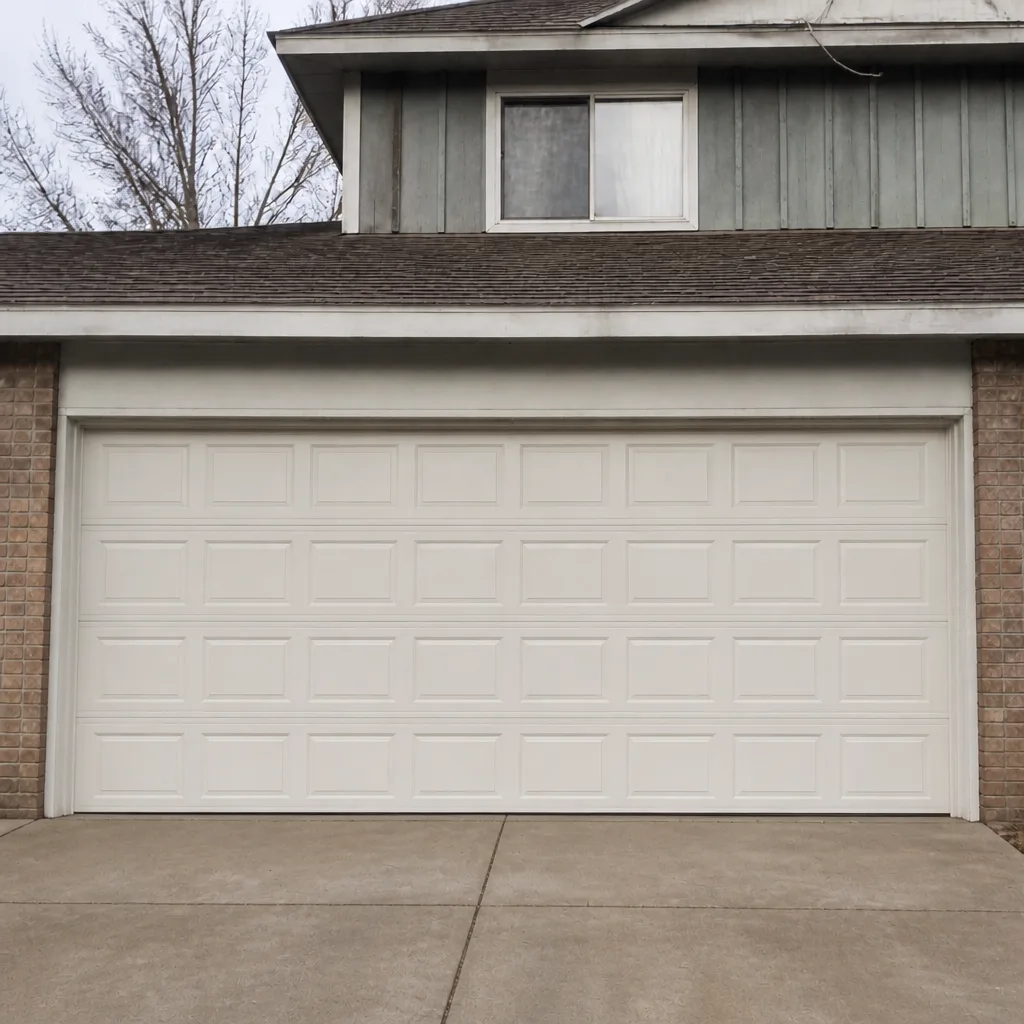 After
When to Call a Professional
Some garage door work is a warning sign, not a checklist item. Call a technician for a suddenly heavy door, a snapped torsion spring, a door that’s come off its track, or a door that won’t close completely. Call when an opener powers on but won’t move the door, when the safety sensors won’t behave, or when you’ve replaced a remote and the problem persists. Call if the door has taken hail damage and won’t run smoothly, or if you’re not sure whether the door is safe to keep using. For homeowners in Colorado Springs, Westbrook Garage Door Repair offers free estimates and handles the whole door system, panels, springs, hardware, and opener, so you don’t get bounced between a door company and an opener company. We work on LiftMaster, Chamberlain, Genie, Clopay, Amarr, Wayne Dalton, Craftsman, and Raynor equipment, and we quote the price before any work begins. Call (855) 473-9096 for a free estimate. We answer 24/7. Fast dispatch from 7am to 7pm, Sunday through Friday.
Frequently Asked Questions
Repair cost depends on the part: a weather seal is the least expensive fix, while spring replacement, track straightening, and opener repair each carry their own range. The best way to know is a written estimate for your exact door and model. Call (855) 473-9096 for an exact quote, estimates are free.
For repair and opener work, we can often reach Colorado Springs the same day, with fast dispatch from 7am to 7pm. We answer 24/7. Call (855) 473-9096 to get on the schedule.
No. We quote the price and agree it before any work starts, and the written estimate sets the final price. If the diagnosis reveals something different, we talk it through and requote before proceeding. Call (855) 473-9096 for a free estimate.
Our technicians are experienced and insured, and they work on the eight brands we service with the right parts for each model. Call (855) 473-9096 to talk through your door.
Higher altitude means more intense UV, which ages panel finishes and weather seals faster, and wider daily temperature swings, which stress springs and opener electronics. Choosing a UV-resistant finish and correctly sized springs is the best defense. Call (855) 473-9096 with your door’s details.
HOA approval is often required in planned neighborhoods, and permit rules vary, so the right move is to check with your HOA and your city’s building department before ordering. We can help you confirm what your property needs during a free measure. Call (855) 473-9096 to set one up.
The Bottom Line
Colorado Springs is not a generic garage door market. At 6,035 feet, the sun hits harder, the temperature swings wider, and the wind and hail along the Front Range push the whole system. Buy for UV resistance and correct spring sizing, keep the seal and track in shape, check your HOA before you order, and treat a failing opener as a planned upgrade rather than a surprise. Repairs cover the mechanical parts; replacement makes sense when the structure or the finish has failed. Either way, a free estimate and a written, agreed price keep the decision clear. Colorado Springs homeowners can count on our team to diagnose the whole door system and use the right part for their model. Our technicians have up to 11 years of experience. Call (855) 473-9096 for a free estimate. We answer 24/7. Fast dispatch from 7am to 7pm, Sunday through Friday, closed Saturday.
Written by the team at Westbrook Garage Door Repair.