
Last updated November 15, 2026
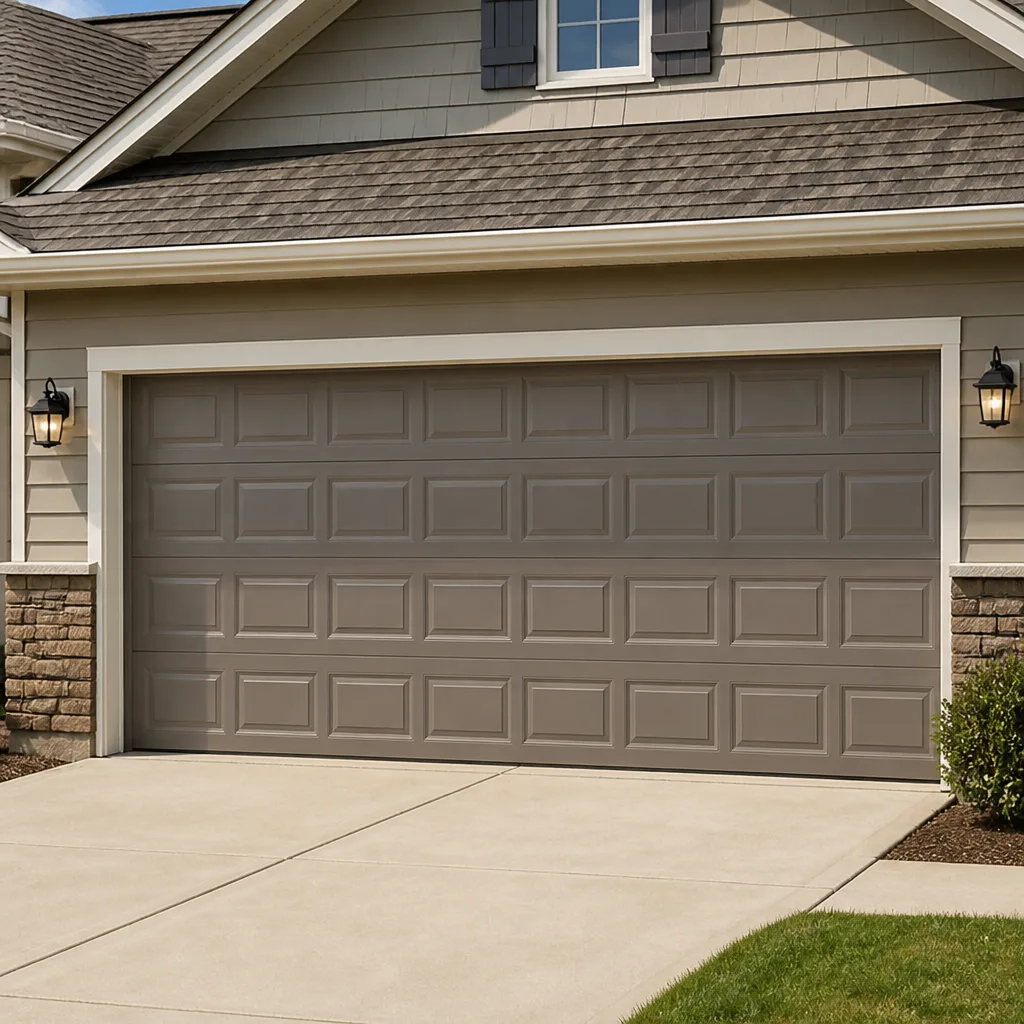 Raised-panel steel
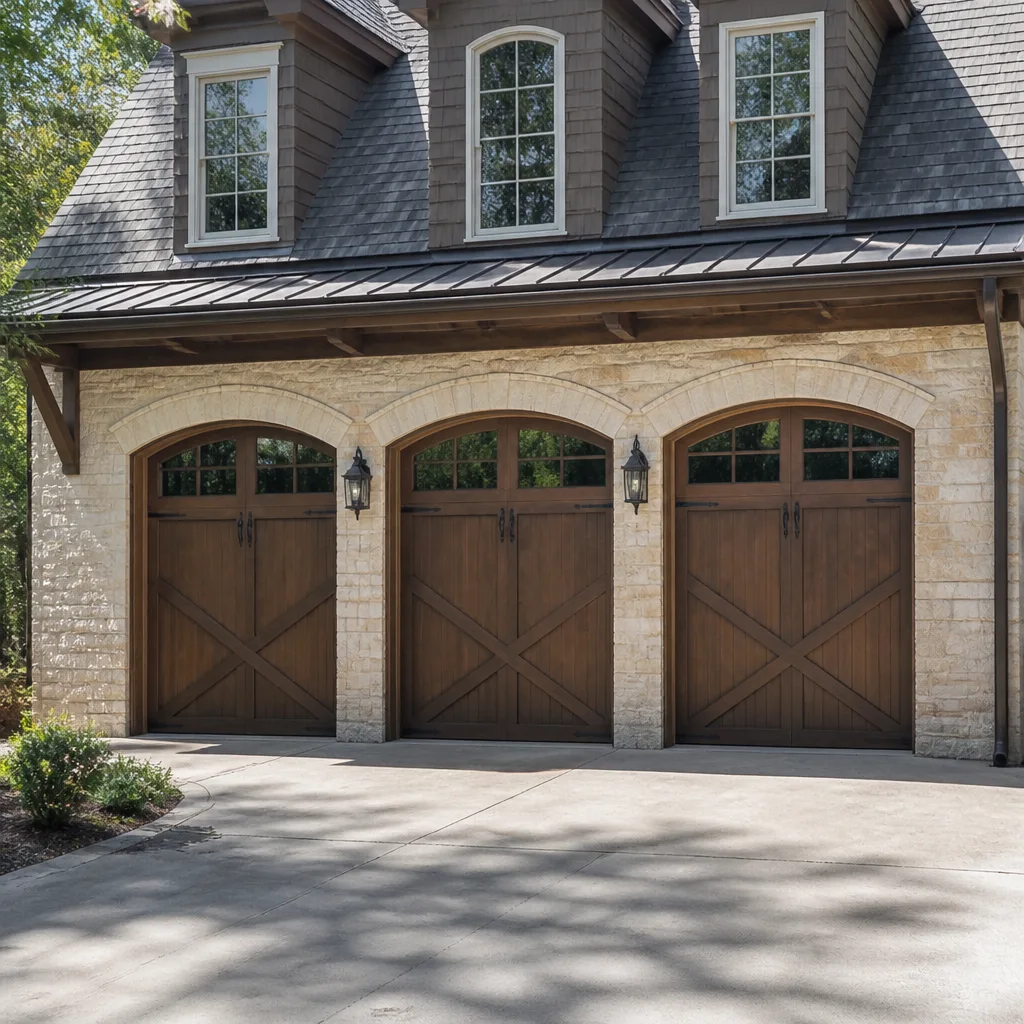 Carriage house
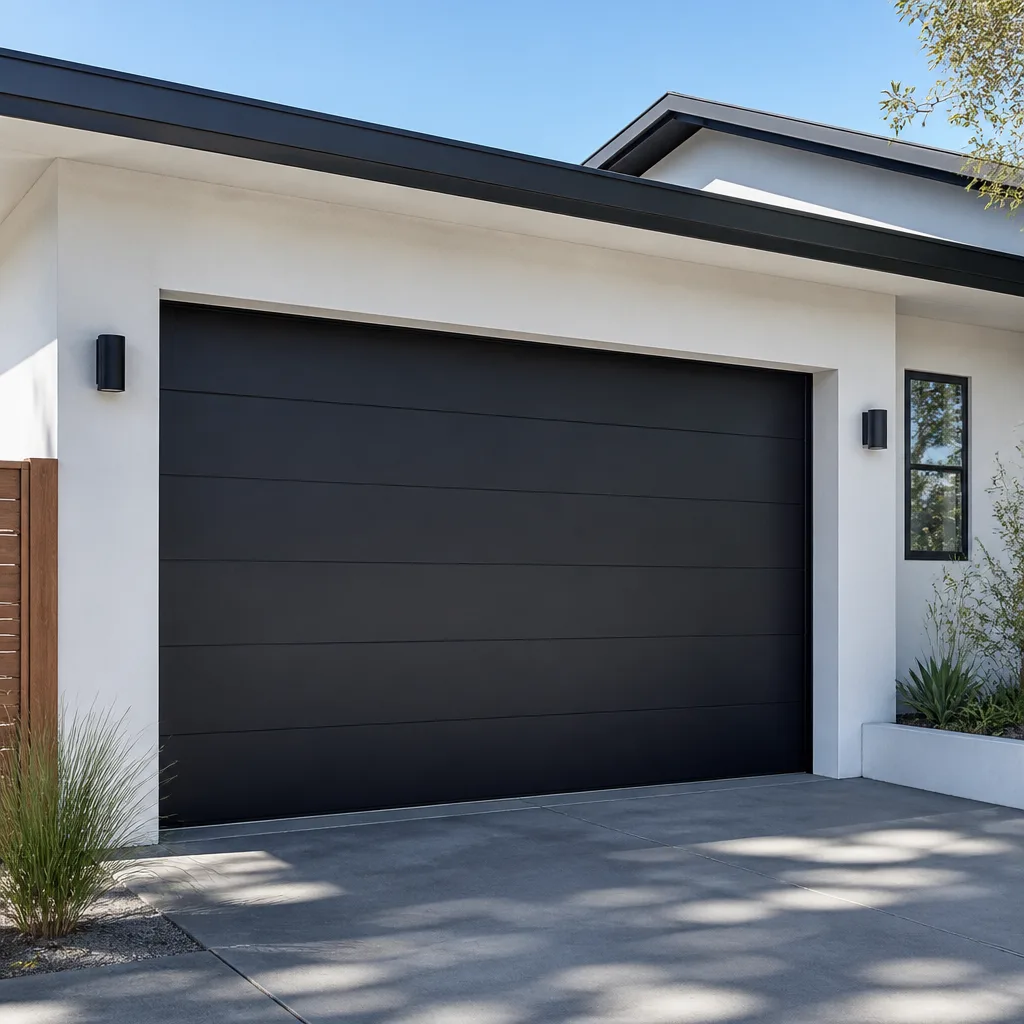 Modern flush
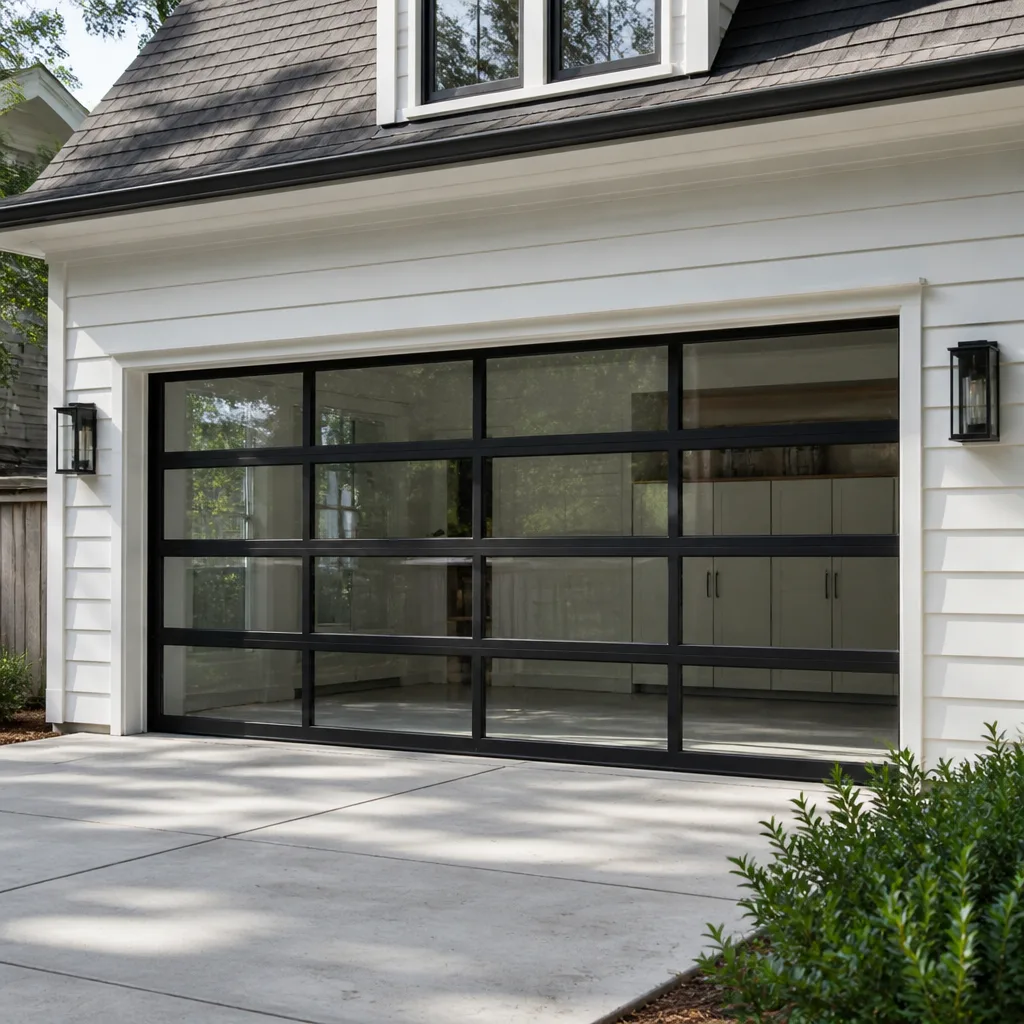 Full-view glass
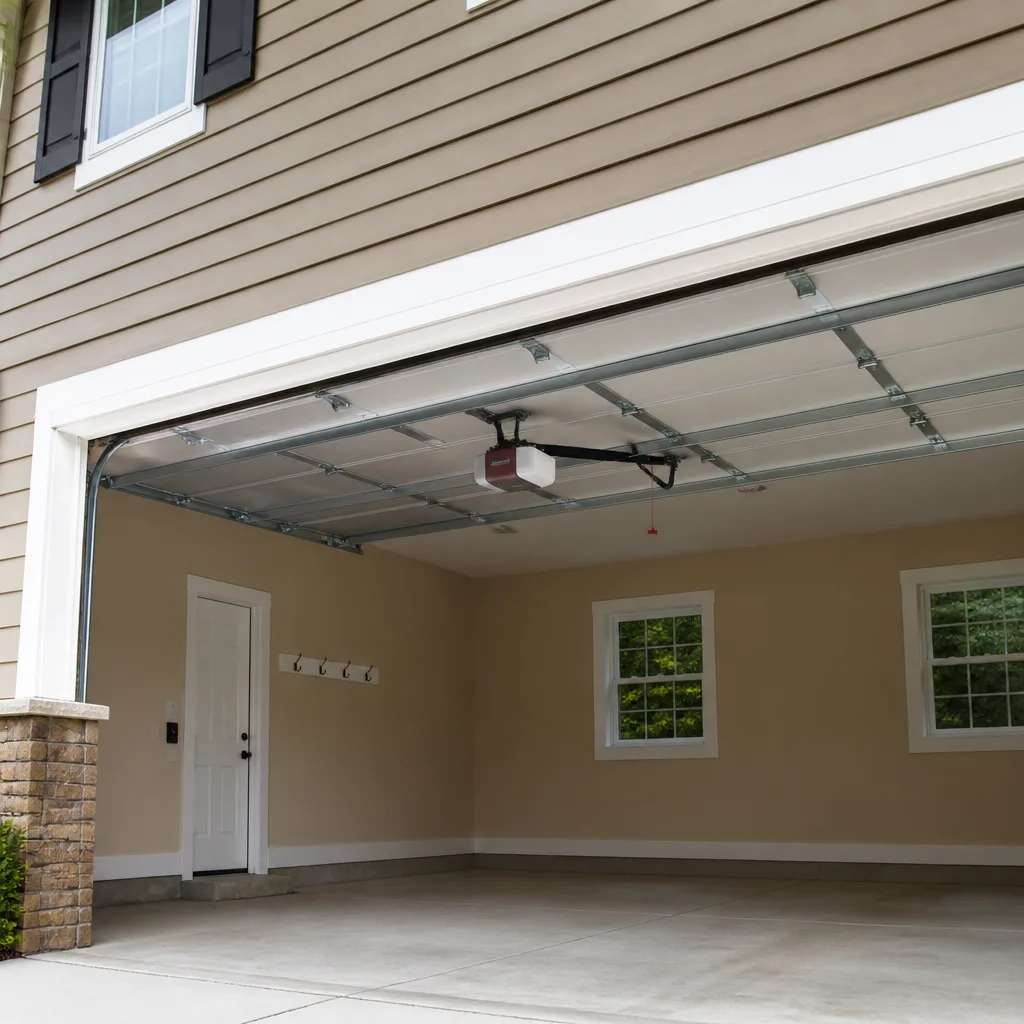 LiftMaster openers
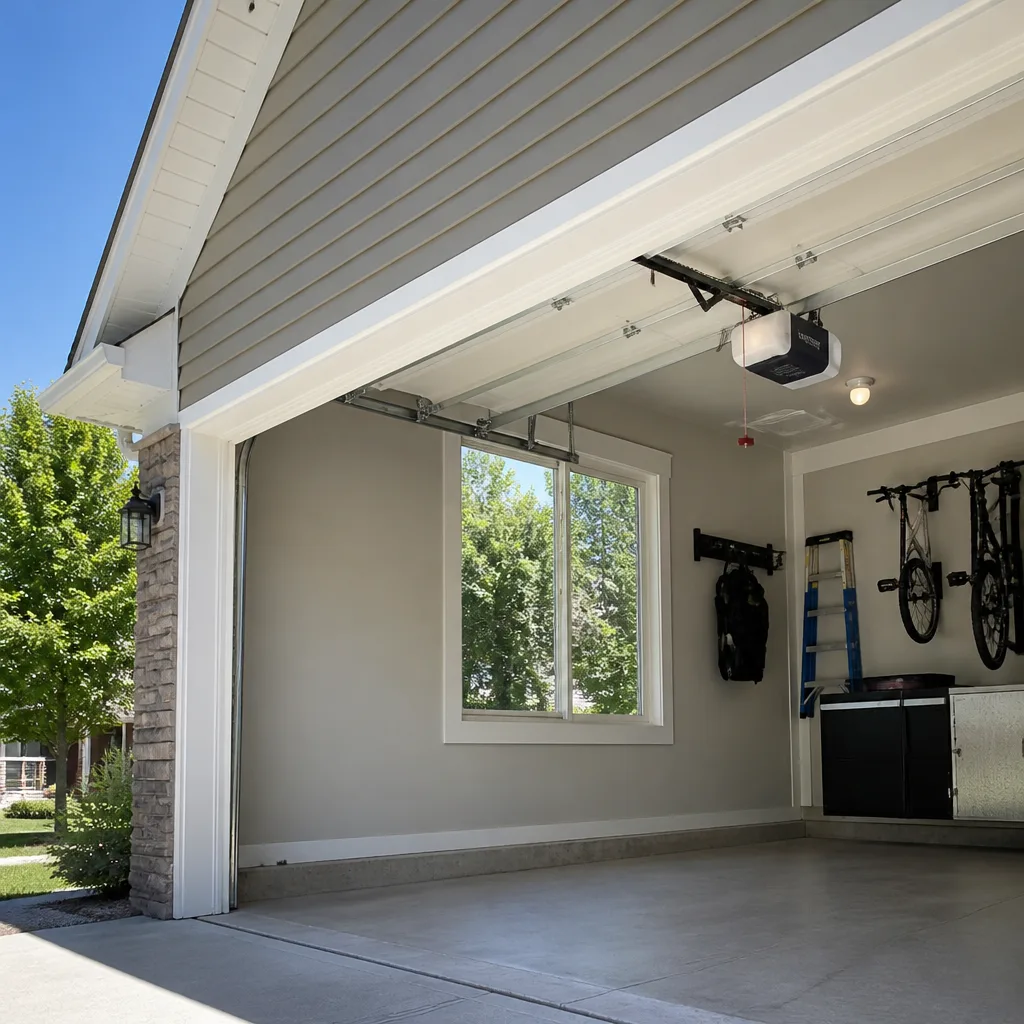 Chamberlain openers
Full 25-point door and opener safety check with every visit - springs, cables, rollers, tracks, and your LiftMaster or Chamberlain opener included
You get a price before we start. It does not change when the pro arrives.
Get your free estimateGarage Door Repair Maintenance Schedule: What to Do and When
Most maintenance advice is built for a climate that doesn’t exist here. The standard “lubricate twice a year” line was written for someone in Phoenix or San Diego, where the temperature barely moves and rust is the only real enemy. Follow that advice in Colorado Springs and you’ll be greasing hinges after the damage is already done. Our local calendar has two hard inflection points – late October, when the first real cold snaps hit, and late March, when we swing between frozen mornings and warm afternoons – and your garage door feels both. The metal expands and contracts, springs work harder at altitude, and UV hammers every rubber seal on the door. What follows is a maintenance schedule built for that reality: month-by-month tasks, the lubricants that actually hold up here, a 60-second balance test that flags spring wear early, and the brand-specific steps that protect your warranty.
Quick Answer
A garage door in Colorado Springs needs a light monthly check (visual and listen), lubrication in late October before the cold sets in and again in late March after the thaw, a balance test every three months, and a professional inspection once a year timed for late October. Springs, cables, and rollers do the heavy lifting – inspect them but don’t touch the torsion spring or cables yourself. The biggest local mistake is following the generic “twice a year” rule without aligning it to Colorado Springs temperature swings.
Styles & brands we work with
- Raised-panel steel
- Carriage house
- Modern flush
- Full-view glass
- LiftMaster openers
- Chamberlain openers
Table of Contents
- Why a Colorado Springs Maintenance Schedule Is Different
- The Month-by-Month Garage Door Calendar for Colorado Springs
- Why the Late-October Inspection Matters Most
- The Right Lubricants for Colorado’s UV and Temperature Range
- The 60-Second Balance Test That Reveals Spring Wear
- Maintenance by Opener Type: Belt, Chain, and Screw Drive
- Brand-Specific Steps That Protect Your Warranty
- Common Mistakes to Avoid
- When to Call a Professional
Why a Colorado Springs Maintenance Schedule Is Different
Colorado Springs sits at high altitude with a climate that throws two sharp seasonal gears. Summers bring intense sun and dry air; winters bring hard freezes followed by warm, dry days that melt everything by afternoon. Between those seasons, the door’s metal panels and steel track move constantly – expanding in the afternoon sun, contracting hard overnight. Each cycle puts a tiny load on every fastener, roller, and spring. The cumulative effect over a year is what separates a door that lasts from one that fails early.
The other local factor is UV. At this elevation, sunlight is stronger than at sea level, and it attacks the rubber bottom seal, the weatherstripping around the frame, and the plastic components inside your opener’s rail assembly. If left alone, a bottom seal will crack and split, letting cold air and moisture under the door and putting strain on the operator as it tries to close against a stiff, brittle seal. Lubricant choices matter too: a light oil that works fine in a humid climate will cook off or gum up here, leaving rollers dragging and hinges squealing.
Altitude also affects spring life. Torsion springs are sized to a specific number of cycles, and every open-close cycle stresses them a little more when the door is heavier (insulated panels, glass panels) or when the springs are under-tensioned. The result: springs in Colorado Springs tend to fail on a tighter timeline than the manufacturer’s generic estimate suggests. That’s the reason we push for an annual inspection timed before winter rather than after. When a spring does finally give out, our garage door repair team can diagnose whether it’s a spring, cable, or roller problem before it turns into a stuck door.
The Month-by-Month Garage Door Calendar for Colorado Springs
Here’s the schedule we recommend, built around the actual weather patterns in Colorado Springs rather than generic “spring and fall” labels. The tasks are small; the value is in getting the timing right.
- January – Listen and look. After a hard freeze, run the door once and listen. Grinding, popping, or a door that hesitates at the top or bottom is a signal. Note it and check again in a week.
- February – Check the bottom seal. Winter is when the rubber seal takes its worst beating, cracking along the edges. A split seal lets cold air in and stresses the opener. Inspect it visually; replacement is quick.
- March (late) – Post-thaw lubrication. This is inflection point one. The freeze-thaw cycle is easing, and the metal has done its worst expansion-contraction work. Lubricate hinges, rollers, and track with the right product before the summer UV season.
- April – Balance test #1. Run the 60-second balance test (below). Record the result; you’ll compare against it in July.
- May – Track alignment check. Look down the length of both tracks from inside the garage. Any visible bend, kink, or gap between the track and the door means the door is being pulled off-center.
- June – Opener rail and belt inspection. Check the opener’s rail for debris, listen for belt fraying or chain slack. The dry summer air is kind to these parts, but a loose chain is easier to catch now than in a cold snap.
- July – Balance test #2. Compare to April. Any degradation is a signal to have the springs inspected before winter.
- August – Weatherstripping check. Same as February’s bottom seal but focused on the frame and side seals. UV damage is peak now.
- September – Clean and inspect photo-eye sensors. Dust and cobwebs collect. Wipe the lenses, check the alignment; a misaligned sensor stops the door mid-close with no warning.
- October (late) – Pre-winter professional inspection and lubrication. This is inflection point two, and the most important month on the calendar. Book a technician to inspect springs, cables, and rollers and re-lubricate before the first hard freeze.
- November – Test the safety reverse. With the door closing, wave an object across the sensor beam; the door must reverse. Also test the mechanical reverse by placing a small object on the floor.
- December – Visual check of the hardware. Bolts, hinges, and brackets; look for anything loose after the first freeze. Tighten what you’re comfortable with; leave the spring hardware alone.
The key to this whole calendar is that two months carry most of the weight: late March and late October. Everything else is a quick check. If you do nothing else, do those two.
Why the Late-October Inspection Matters Most
If you only schedule one professional inspection a year, make it late October. Here’s the reasoning, and it comes straight from what we see in Colorado Springs garages every November.
The first hard freeze of the season is the event that breaks a torsion spring that was already on its way out. Springs lose tension gradually as the number of cycles adds up; the door still works, but the spring is straining. When temperatures drop sharply, the steel of the spring becomes more brittle and the door itself gets heavier (cold metal, stiff seals, less give in the track rollers). That combination is often the last straw. A spring that fails at 7 a.m. in November leaves you with a car trapped in the garage and no way to open the door manually without risk.
A late-October inspection lets us catch the signs before that first freeze: uneven balance, a slightly sluggish door, visible wear on the spring coils, a cable that’s beginning to fray, or a track that’s been slowly knocked out of alignment. We can then replace the spring (or schedule it) while the weather is still friendly. A spring replacement scheduled for October is a routine service; a spring replacement needed in the middle of a January cold snap is an inconvenience for you.
The same logic applies to the door’s bottom seal and the opener. A seal that’s already cracking will get worse with the freeze-thaw cycle. An opener that’s straining will work harder against a stiff door in cold weather. Catching all of this in October is the difference between a planned repair and a stuck door. Our garage door opener repair specialists can check the opener’s strain at the same time if you’re not sure which part is the source of the trouble.
The Right Lubricants for Colorado’s UV and Temperature Range
Not all lubricants belong on a garage door, and the wrong one is worse than none. The correct product is a white lithium grease or a silicone-based lubricant that stays put across our temperature range – from below-zero winter mornings to summer afternoons when a garage can reach uncomfortable heat. The wrong products either dry out, thicken in the cold, or attract grit and dust that grinds into the moving parts.
Here’s what works and what doesn’t:
- Use: white lithium grease. Best for hinges, rollers, and the moving joints of the door. It holds up under temperature swings and doesn’t wash away or gum up.
- Use: silicone spray. Good for the track (a light coat, not a soak) and for the weatherstripping and bottom seal, which need to stay pliable. Silicone keeps rubber from cracking under UV.
- Avoid: WD-40 as a lubricant. It’s a penetrating oil and a water displacer, not a long-term lubricant. It’s fine for freeing a stuck bolt; it’s not the thing to spray on your rollers every spring. It dries out and attracts dust.
- Avoid: heavy motor oil or axle grease. They collect grit and turn the rollers into grinders. They also thicken in Colorado cold, making the door harder to operate.
- Avoid: “all-purpose” household lubricants. If the can doesn’t list temperature range or isn’t formulated for metal-on-metal or rubber, skip it.
The most common local mistake we see is a door that’s been sprayed with WD-40 twice a year for years. The rollers are dry, the track is gritty, and the door drags. Cleaning the old residue off with a soft cloth and applying the right grease restores most of the smoothness, but it’s a repair that shouldn’t have been needed. When you lubricate in late March and late October, use the right product, and apply it sparingly – a thin coat is enough. Excess grease collects dust and does more harm than good. If a track is rusty or grit has accumulated, wipe it down with a damp cloth before re-lubricating.
For the rubber seals – the bottom seal and the side weatherstripping – silicone spray is the best choice. Rubber in Colorado Springs takes a beating from UV, and a light silicone coat every few months keeps it pliable and slows cracking. This is one of the cheapest maintenance tasks you can do, and one of the most effective at keeping cold air and moisture out.
The 60-Second Balance Test That Reveals Spring Wear
This is the single most useful diagnostic a homeowner can run. It takes a minute and tells you whether your springs are getting tired long before they fail. Do it once a quarter, ideally in April, July, October, and January, and always with the door disconnected from the opener (use the manual release cord).
The test, step by step:
- Close the door completely.
- Pull the manual release cord to disconnect the door from the opener.
- Lift the door manually about halfway up – roughly waist to chest height – and stop.
- Let go and watch. The door should stay exactly where you stopped it. That’s a pass.
- If the door slowly sinks on its own, the springs are losing tension. If it drifts upward on its own, the springs are over-tensioned. If it drops quickly, stop the test and call a professional.
The pass criteria are simple: a balanced door stays put with no more than a slight drift. A failing test – the door sinks or rises on its own – is a sign the springs need to be adjusted or replaced. Don’t try to adjust the springs yourself; they’re under high tension and can cause serious injury. A balance test is diagnostic only, not an invitation to work on the spring hardware. The Westbrook Garage Door Repair team can take the reading from your test and tell you whether the springs are near the end of their life or just need a minor adjustment.
The reason the test is so valuable is that it catches problems before they turn into an emergency. A door that balances but drifts slightly is a door that will fail to balance in a few months. Catching that drift in October means scheduling a spring service on your terms; catching it in January means an emergency call, a trapped car, and a mechanic working in the cold. Run the test, record the result, and compare it to the last one.
One note about the balance test and the opener: never run the door through its opener cycle with the manual release engaged. Reconnect the door to the opener only after testing is done. If the door feels heavy or unbalanced, reconnect only after a professional has looked at the springs.
Maintenance by Opener Type: Belt, Chain, and Screw Drive
Openers are not all alike, and the maintenance steps that matter differ by drive type. The three most common drive systems in homes across Colorado Springs are belt, chain, and screw. Here’s what each one needs – and what skipping the brand-specific step can cost you.
Belt-drive openers
Belt-drive openers (common in newer homes and on LiftMaster and Chamberlain units) are the quietest, but the belt itself is the wear item. Check it every few months for fraying, cracking, or loose tension. A belt that’s stretched will let the door sag at the top or drop slightly before it fully opens. The good news: belts don’t need lubrication – in fact, greasing a belt attracts dust and shortens its life. If your belt-drive opener is a Chamberlain or LiftMaster with the myQ platform, the app will sometimes flag a strained cycle before you notice it.
Chain-drive openers
Chain-drive openers (Craftsman, Genie, and many older installs) are the loudest and most durable. The chain needs a light coating of white lithium grease or chain lubricant periodically, and the tension should be checked: a chain that’s too loose will sag and slap, a chain that’s too tight will strain the motor. Chain-drive openers in Colorado Springs benefit from a pre-winter check because cold thickens the grease; a chain that was fine in September can be stiff in November.
Screw-drive openers
Screw-drive openers (a common Genie configuration) use a threaded rod. The rod needs lubrication – but only with the manufacturer’s recommended product. Applying the wrong grease to a screw-drive rod attracts grit and wears the threads. Check the rod for wear and the carriage for smooth travel. Screw-drive units are also sensitive to torque settings; if the door is dragging because of a stiff seal or a misaligned track, the opener will strain.
The thread running through all three: brand-specific steps matter. A Craftsman chain drive and a Genie chain drive can have different tension adjustments; a LiftMaster belt drive and a Chamberlain belt drive may need different belt checks. Following the manufacturer’s maintenance schedule for your exact model is what keeps the warranty intact. Skipping it, or using a part that isn’t matched to your unit, can void coverage. Our team works on all of these brands and can match the right part and procedure to your model.
Also worth checking on any opener: the safety reverse system and the photo-eye sensors. In Colorado Springs, dust and cobwebs collect in the sensors during the dry summer; a dirty sensor is one of the most common causes of a door that opens and then won’t close. Wipe the lenses and re-align them before the winter.
Brand-Specific Steps That Protect Your Warranty
One of the reasons we focus on brand-specific work is that garage door warranties are written around the correct parts and correct maintenance. The manufacturer’s warranty on a Clopay, Amarr, or Wayne Dalton door assumes the door has been installed and maintained to spec; the warranty on your opener assumes the right procedures. A universal-fit part or a generic maintenance step can quietly void coverage before you ever make a claim.
The three steps that protect a typical warranty:
- Use brand-matched parts. A Clopay panel should get a Clopay-compatible hinge and roller geometry; a Wayne Dalton door has specific hardware tolerances. Universal-fit replacements “work” but can wear unevenly and may void coverage.
- Follow the manufacturer’s maintenance schedule, not a generic one. The schedule in this guide is built for Colorado Springs conditions, but it’s an add-on to – not a replacement for – the schedule in your door or opener manual. Follow the manual’s required steps, then layer the local timing on top.
- Keep records. A simple note of what was done and when is enough to show a service history if a warranty question ever comes up. This is especially useful on Clopay and Amarr doors, where the finish and hardware warranties run for a long time.
The brand-specific knowledge runs deeper than parts. A Wayne Dalton door and a Raynor door can have different spring configurations; an Amarr door may use a specific track tolerance. Understanding those differences means we diagnose the issue correctly instead of guessing. That’s why the right part for your model matters, and why a universal-fit shortcut isn’t a shortcut at all. Our Colorado Springs service team works on all of these brands and can tell you what your specific model needs.
If you’re shopping for a new door, the brand matters from the start. We install Clopay, Amarr, Wayne Dalton, and Raynor doors – brands sold through professional channels, not big-box stores – so the door you get is the real thing with the real warranty. Skimping on the door brand to save a few hundred dollars at the start often means paying more for repairs down the road.
Common Mistakes to Avoid
- Following the generic “lubricate twice a year” schedule without local timing. Lubricating in May and November misses both inflection points. In Colorado Springs, the right months are late March and late October, when temperature swings are most extreme.
- Using WD-40 as your go-to lubricant. It dries out and attracts dust. Use white lithium grease for the metal parts and silicone spray for rubber seals.
- Adjusting the torsion spring yourself. It’s under enough tension to cause serious injury. Leave the spring, cables, and brackets to a trained professional.
- Skipping the balance test. A door that drifts in the test is a door that’s on its way to failing. The test takes a minute; a failed spring takes a day of your time.
- Greasing a belt-drive opener’s belt. The belt doesn’t want lubricant. Grease attracts dust and shortens its life.
- Ignoring the bottom seal. A cracked seal lets cold air in, strains the opener, and lets moisture under the door. Replace a split seal before the freeze.
- Ignoring a brand-specific part mismatch. Universal-fit hardware can wear unevenly and may void the manufacturer’s warranty on Clopay, Amarr, and Wayne Dalton doors.
- Assuming a stiff door means a failing opener. Usually it’s the springs or a misaligned track. Diagnose first; don’t replace the opener until you know what’s actually failing.
When to Call a Professional
Some tasks are homeowner-friendly: wiping a sensor lens, checking the bottom seal, running a balance test, spraying silicone on the weatherstripping. Other tasks are not safe to do yourself. If your balance test fails – the door drifts noticeably or drops – call before the next open-close cycle. If you see a frayed cable, a bent track, or a spring that’s visibly stretched or has a gap, stop using the door. If the door opens crooked, won’t close all the way, or the opener strains and reverses itself, that’s a diagnostic call. If a spring has snapped (a loud bang, a door that won’t lift, a gap in the spring’s coils), leave the door alone – the spring and cable are both dangerous when the system is under partial load. A stuck door with a car inside is also a call; we can talk you through the next step carefully.
Westbrook Garage Door Repair offers free estimates in Colorado Springs. Call (855) 473-9096. We answer 24/7. Fast dispatch from 7am to 7pm, Sunday through Friday. Our technicians have up to 11 years of experience, and we work on Clopay, Amarr, Wayne Dalton, Raynor, LiftMaster, Chamberlain, Genie, and Craftsman equipment. When you call, we’ll tell you what the likely culprit is and what the repair involves before anyone comes out.
See the difference
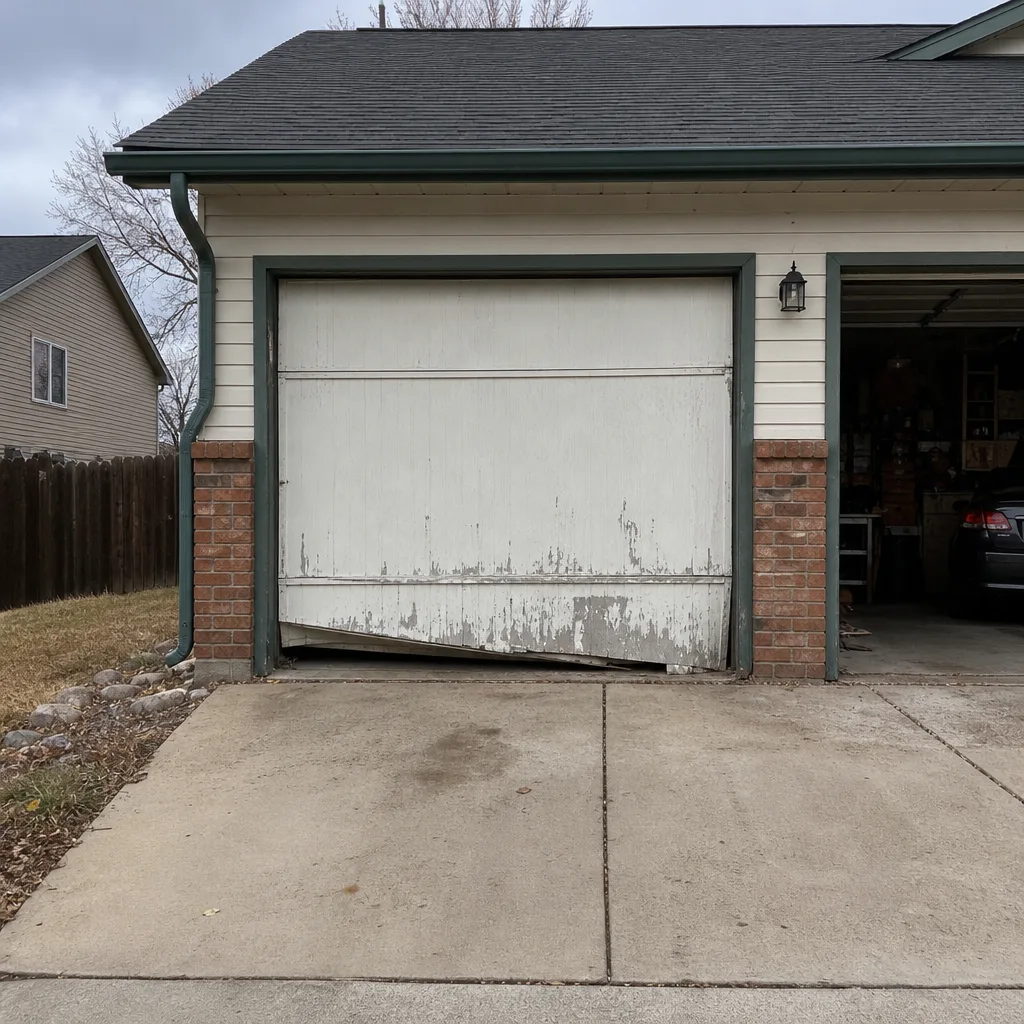 Before
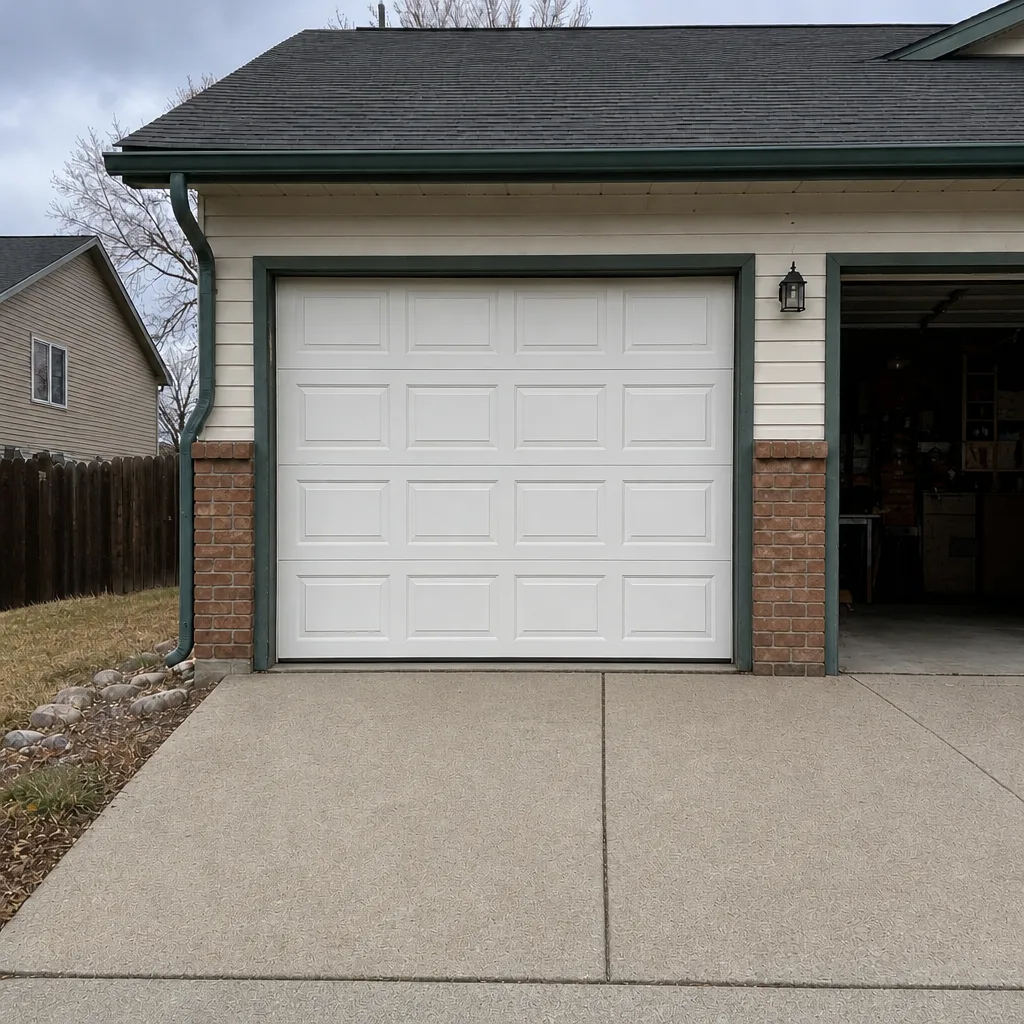 After
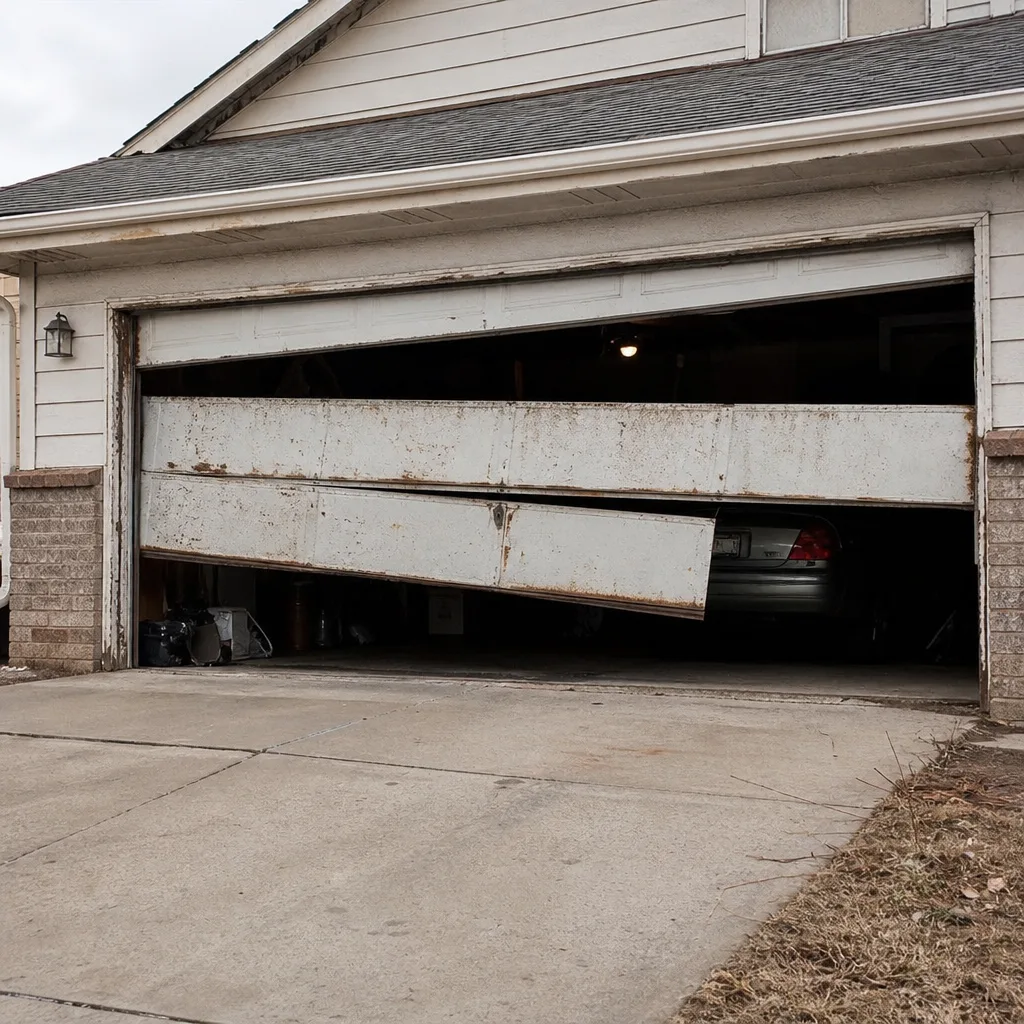 Before
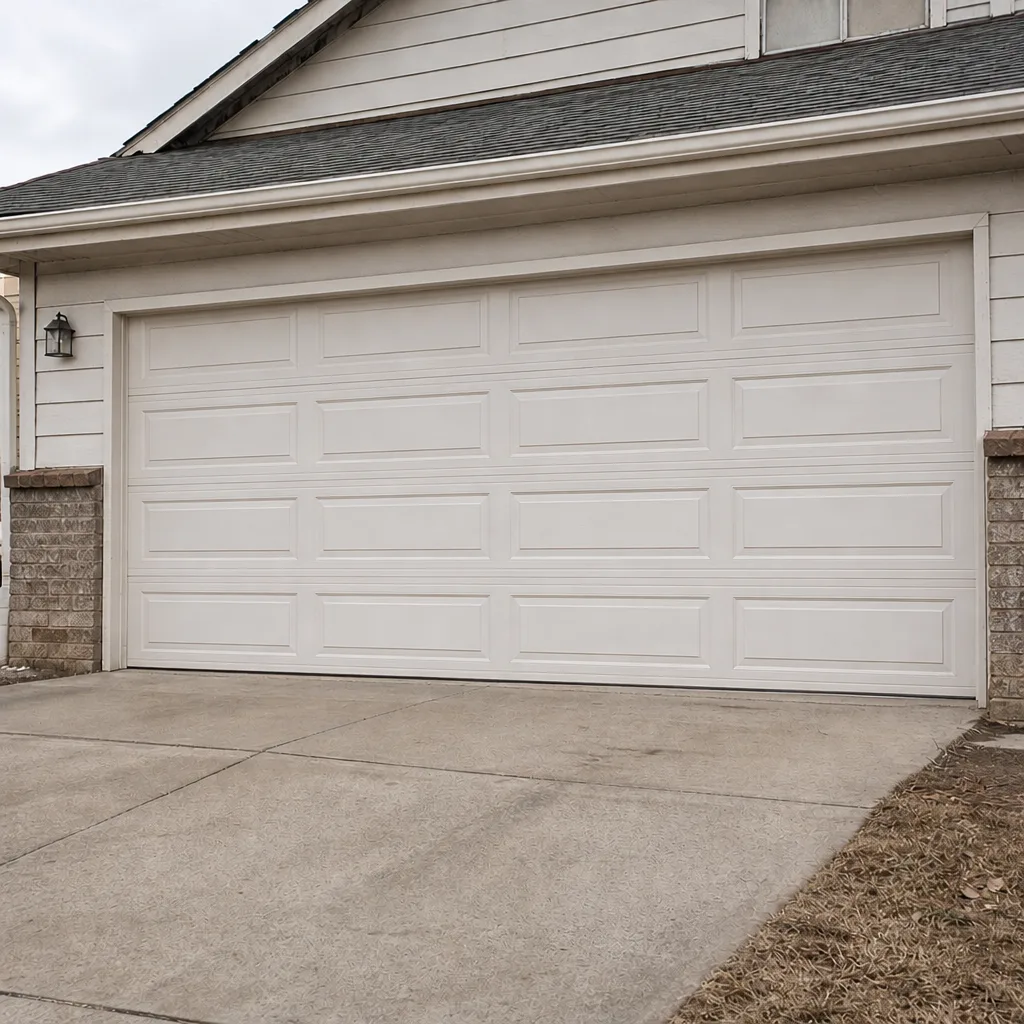 After
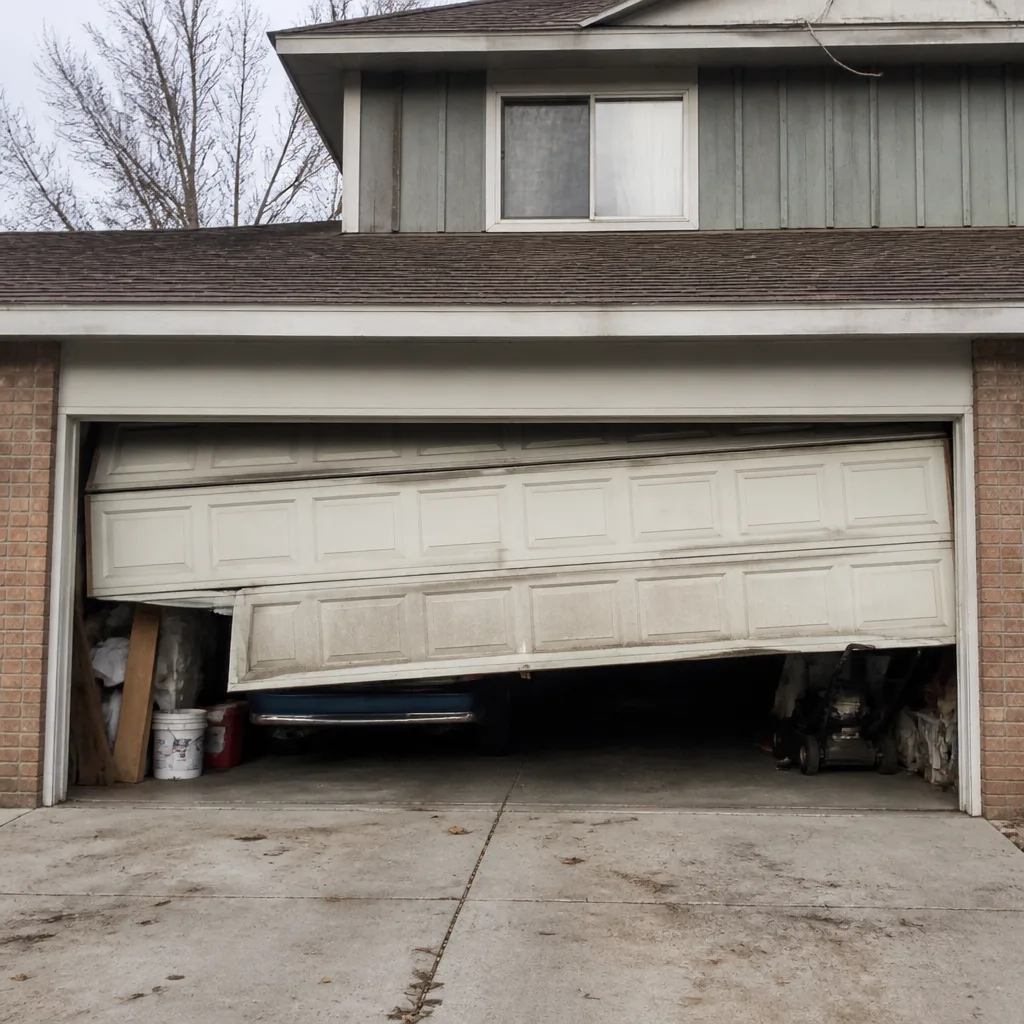 Before
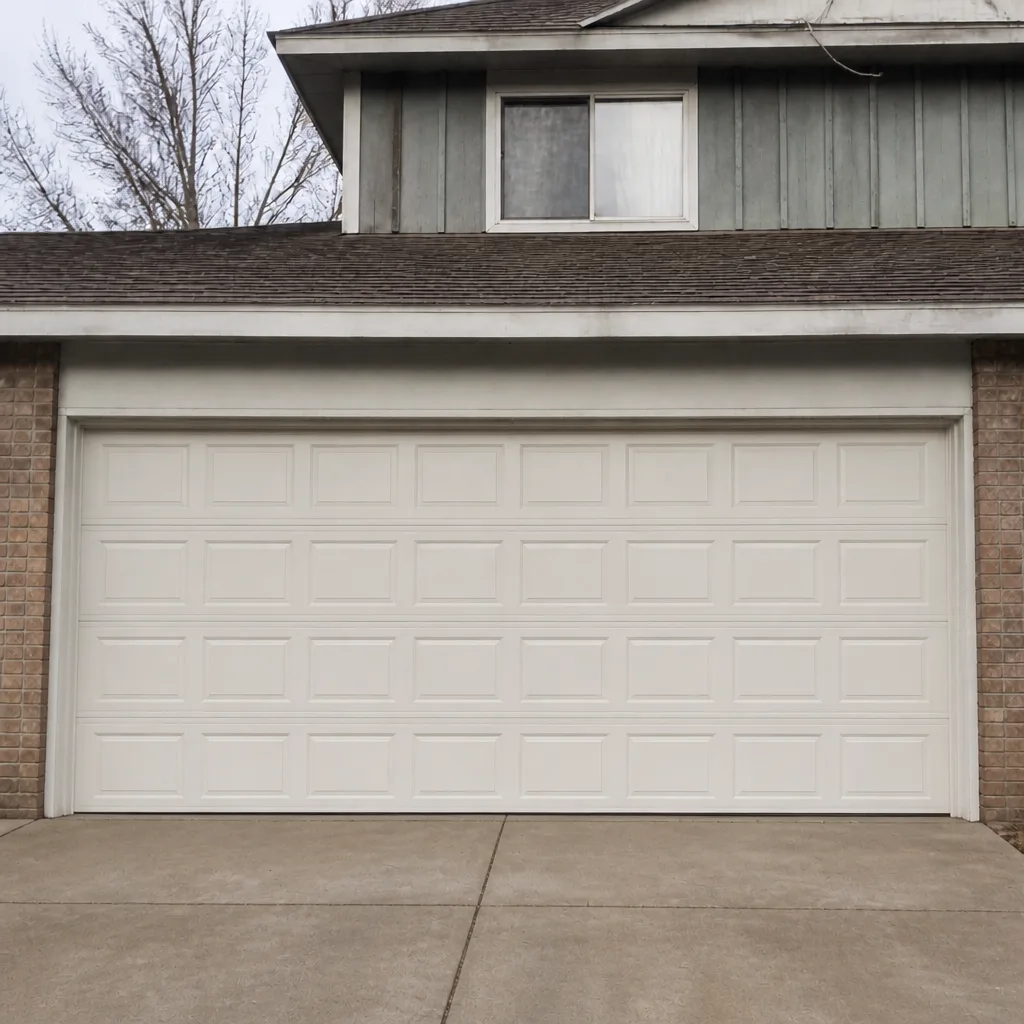 After
Frequently Asked Questions
Twice a year – late March after the thaw and late October before the first hard freeze – plus a light touch-up if the door starts squealing. Use white lithium grease on hinges and rollers, silicone spray on rubber seals. Avoid WD-40 as a lubricant; it dries out and attracts dust. Call (855) 473-9096 for a free estimate if you’re not sure what product your door needs.
Disconnect the door from the opener with the manual release, lift it about halfway, stop, and let go. A balanced door stays put; a failing door sinks slowly or drifts upward. If it drops quickly, stop and call a professional. The test is diagnostic only – don’t adjust the springs yourself. Run it quarterly and compare results.
No. Torsion springs are under high tension and can cause serious injury; extension springs have similar hazards. The balance test is a diagnostic tool, not an invitation to work on the spring hardware. Call a professional. Our team at Westbrook Garage Door Repair handles spring and cable work in Colorado Springs.
Cold thickens grease, stiffens seals, and makes the door heavier. It’s often a combination: a tired spring, a stiff bottom seal, and grease that’s gone cold. A late-October tune-up usually prevents this. If the door is already lagging in the morning, call (855) 473-9096 for a diagnostic. We answer 24/7. Fast dispatch from 7am to 7pm, Sunday through Friday.
It can. Warranties on Clopay, Amarr, and Wayne Dalton doors and on LiftMaster, Chamberlain, Genie, and Craftsman openers assume the correct parts and correct maintenance procedures were used. A universal-fit part or the wrong lubricant can be grounds for a denial. Keep records and follow the manual in addition to the local schedule.
It’s usually a repair when the issue is springs, cables, rollers, or the opener. It’s more likely a replacement decision when the panels are dented or rusted through, the door is severely out of alignment with no way to correct it, or the cost of repairs approaches the cost of a new door. For a new door, we install Clopay, Amarr, Wayne Dalton, and Raynor. Call (855) 473-9096 for a free estimate.
The Bottom Line
Your garage door is a system, and the schedule that keeps it working in Colorado Springs is not the generic “twice a year” advice. Two dates carry most of the weight: late October, when a pre-winter inspection catches tired springs before the first hard freeze, and late March, when the thaw is the right time to re-lubricate. Layer in a quarterly balance test, the right lubricants (white lithium for metal, silicone for rubber, never WD-40 as a long-term fix), and brand-matched parts for your Clopay, Amarr, Wayne Dalton, or other door. The result is fewer stuck mornings and a system that lasts longer. If anything feels off – a drifting door, a strained opener, a cracked seal – call before it fails.
Westbrook Garage Door Repair handles the whole system: repair, opener repair, and installation, with the right parts for your brand and model. Call (855) 473-9096 for a free estimate. We answer 24/7. Fast dispatch from 7am to 7pm, Sunday through Friday. When you’re ready to schedule, we’ll walk through the diagnosis, quote the price before any work begins, and give you a written estimate that sets the final price.
Written by the team at Westbrook Garage Door Repair.