
Last updated November 15, 2026
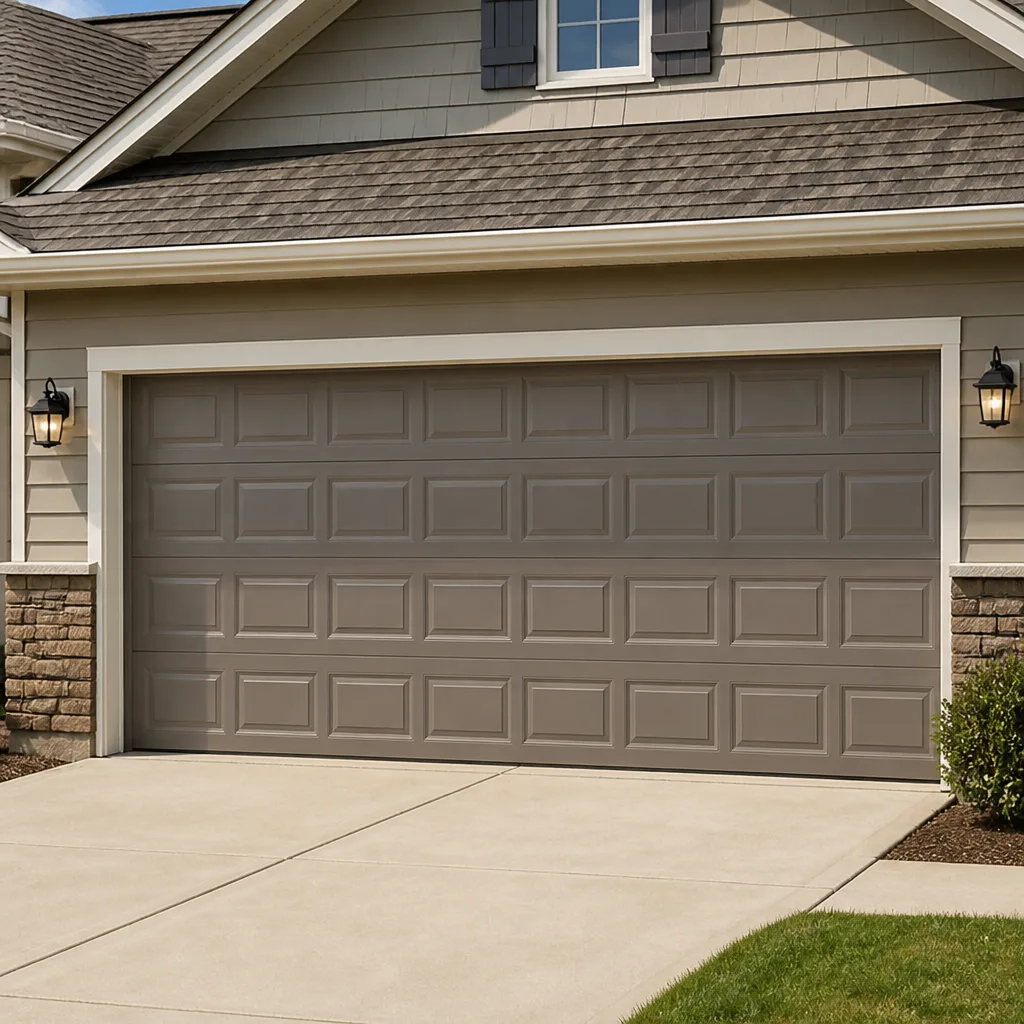 Raised-panel steel
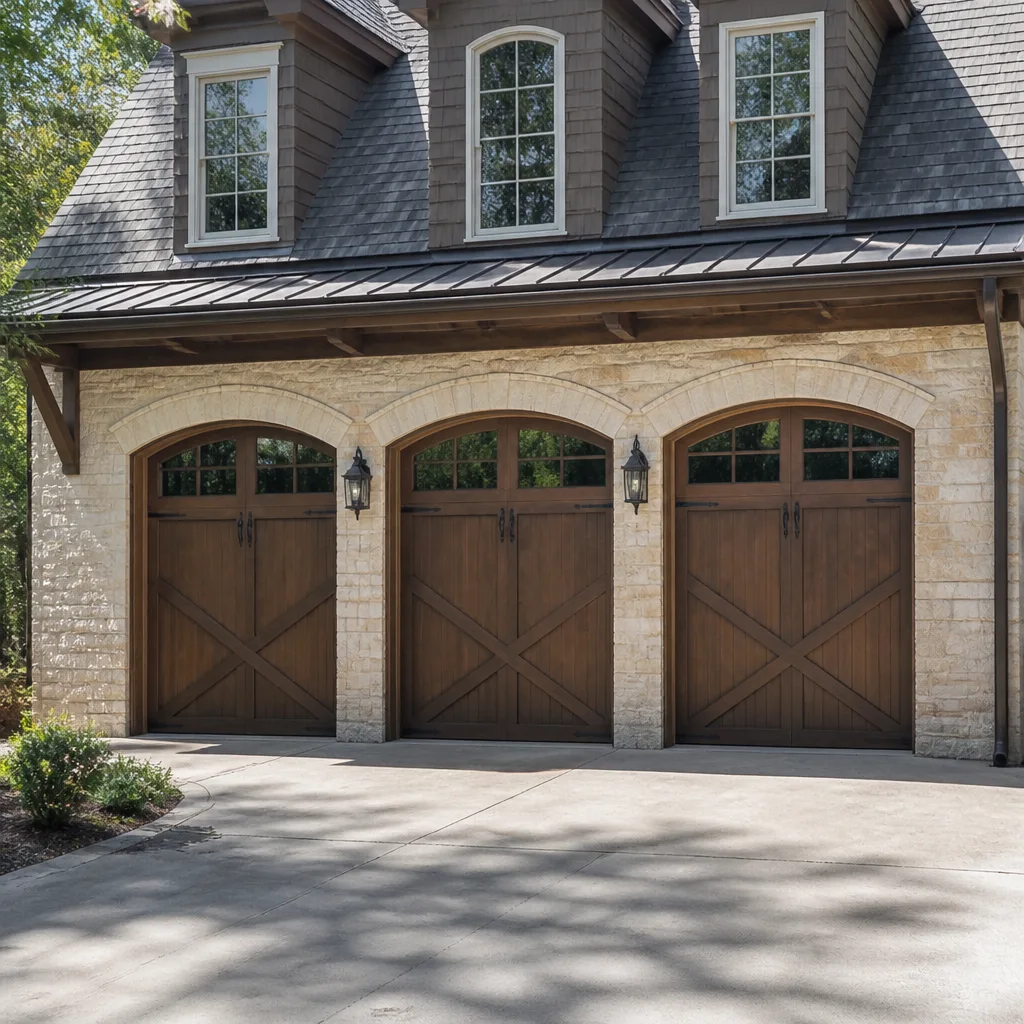 Carriage house
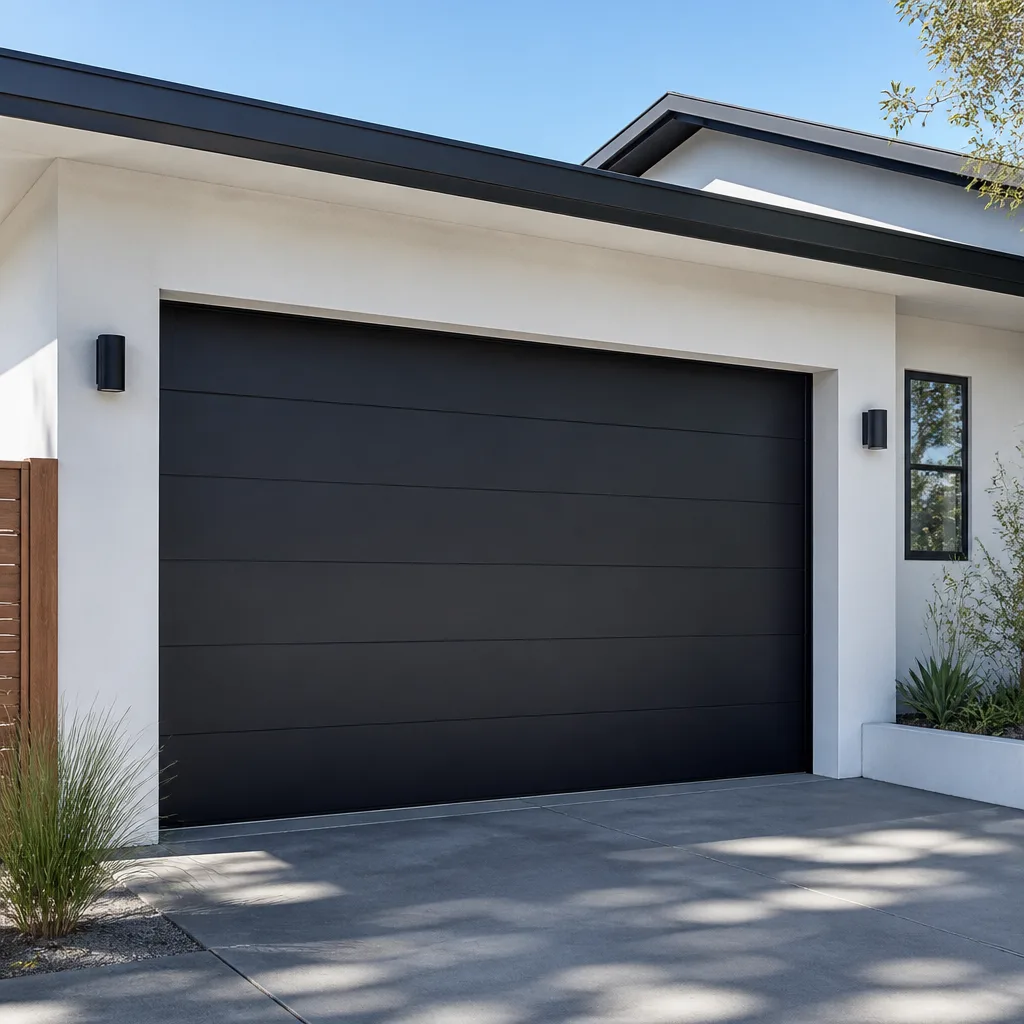 Modern flush
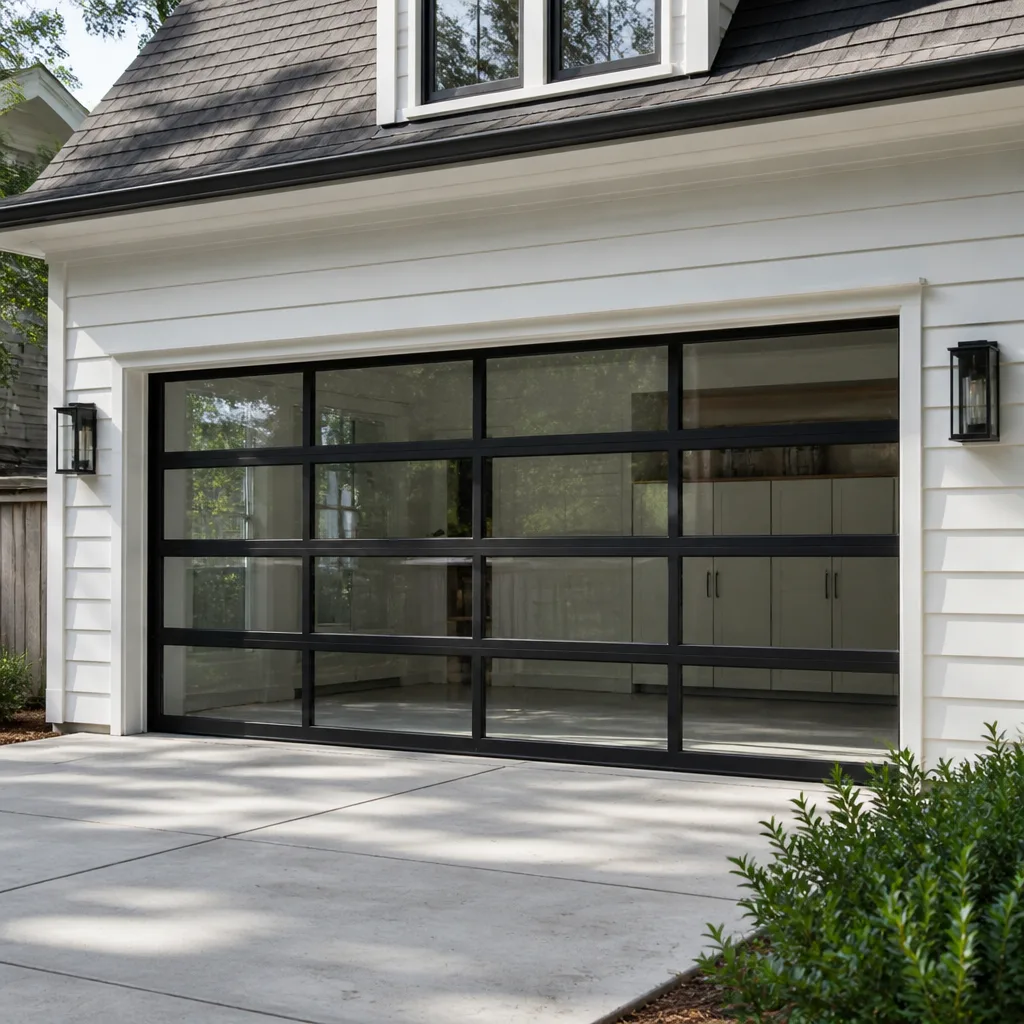 Full-view glass
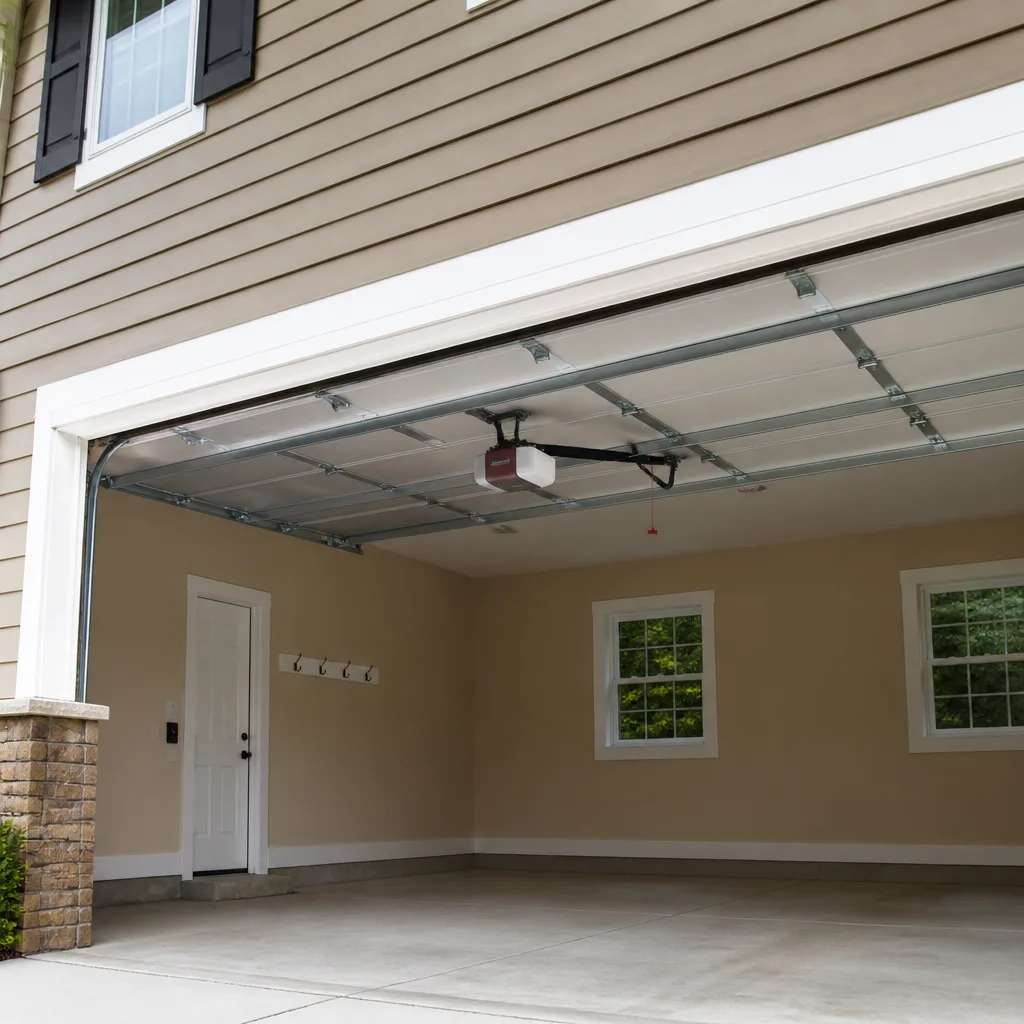 LiftMaster openers
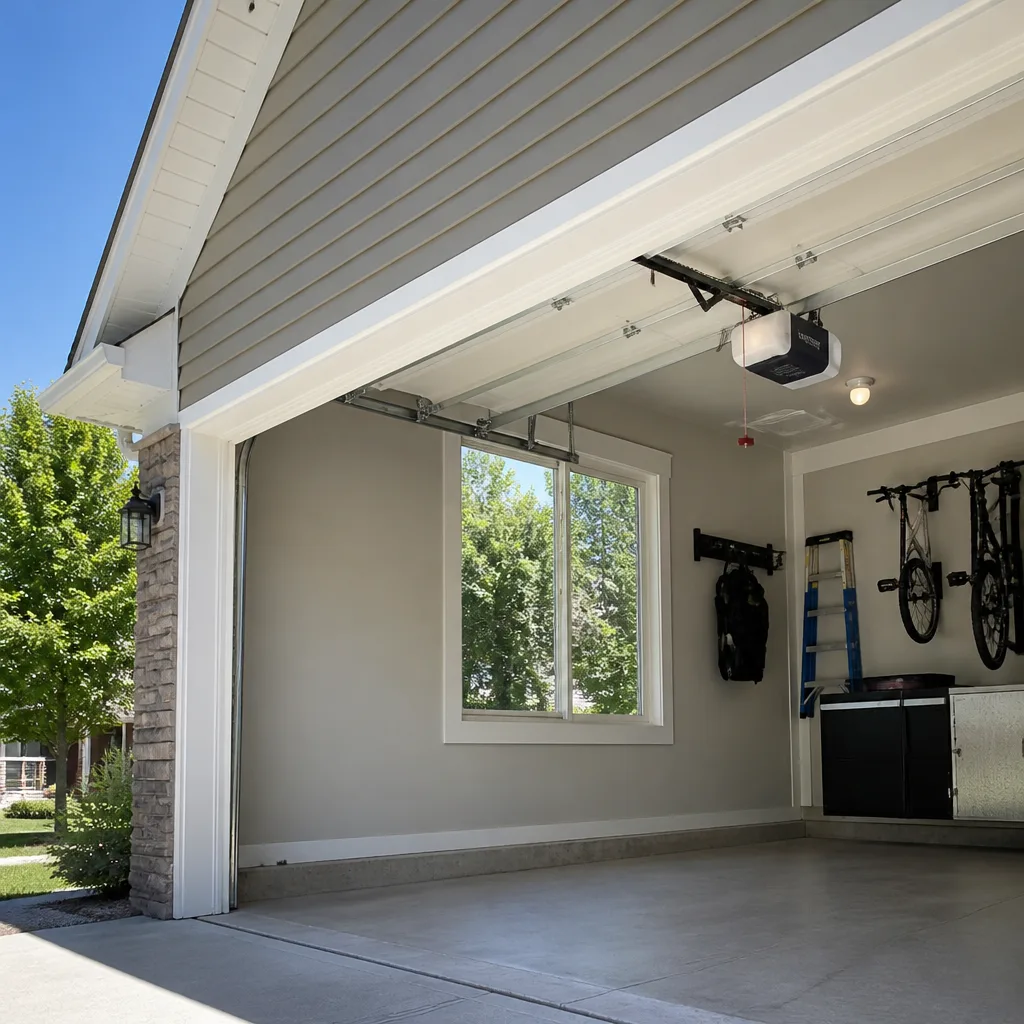 Chamberlain openers
Full 25-point door and opener safety check with every visit - springs, cables, rollers, tracks, and your LiftMaster or Chamberlain opener included
You get a price before we start. It does not change when the pro arrives.
Get your free estimateGarage Door Repair Troubleshooting in Colorado Springs: Common Problems and How to Fix Them
Colorado Springs sits at 6,035 feet, and that elevation gap from the factory specs on most garage door hardware is exactly why your neighbor in Atlanta can ignore his springs for 15 years while yours snapped in seven. Altitude, freeze-thaw swings, and dry air put every component of your door system under stress that the manufacturer never designed for. Most homeowners misdiagnose the result, buying parts they don’t need or tightening bolts that were never the problem. This guide breaks down the three root causes behind nearly every garage door failure in Colorado Springs, walks through a diagnostic order that saves you money, and shows you which checks are safe to do yourself and which ones demand a trained technician. By the end, you’ll know what’s actually wrong with your door and what to do about it.
Quick Answer
Garage door problems in Colorado Springs most often trace back to three root causes: altitude-related hardware stress on springs and cables, expansion and contraction from the region’s dramatic temperature swings, and opener force-limit miscalibration. A door that reverses for no apparent reason in January is usually an opener calibration issue, not a broken part. A door that slams shut or won’t stay open points to spring tension loss, and a door that binds or grinds is usually a track or roller problem. Identifying which category you’re in before touching anything determines whether a simple adjustment solves it or you call for a proper diagnosis.
Styles & brands we work with
- Raised-panel steel
- Carriage house
- Modern flush
- Full-view glass
- LiftMaster openers
- Chamberlain openers
Table of Contents
- Why Colorado Springs Garage Doors Fail Differently
- Freeze-Thaw Cycles and Torsion Spring Tension
- Opener Force-Limit Calibration Drift at Altitude
- The Diagnostic Order of Operations
- Safe DIY Checks vs. Dangerous Ones
- Brand-Specific Quirks: Why Codes Differ Across Brands
- Common Mistakes to Avoid
- When to Call a Professional
Why Colorado Springs Garage Doors Fail Differently
Garage doors are engineered and tested at low elevation in mild climates. When those same doors arrive in Colorado Springs, they meet a very different environment. The air is thinner, the humidity swings from bone-dry to snowmelt wet within days, and the temperature can move 40 degrees between morning and afternoon. Each of those factors accelerates wear on specific components in ways that a factory spec sheet never accounts for.
The elevation itself matters more than most people realize. At 6,035 feet, atmospheric pressure is roughly 20 percent lower than at sea level. That affects everything from how an opener motor performs to how quickly lubricants evaporate from moving parts. Springs, which are already under enormous tension, fatigue faster because the metal is cycling through greater temperature extremes each day.
Housing stock in Colorado Springs adds another layer. Many homes have garages that face west or south, absorbing intense afternoon sun that heats the door surface to temperatures well above ambient. That heat transfers into the springs, cables, and opener housing. Overnight, temperatures can drop below freezing for much of the year. The result is a daily expansion-contraction cycle that stresses metal far more than the steady climate the hardware was designed for in a lab.
We’ve seen this pattern across every brand we service, from garage door repair calls on Clopay and Amarr panels to opener diagnostics on LiftMaster and Chamberlain units. The symptoms look different across brands, but the root causes are remarkably consistent.
Freeze-Thaw Cycles and Torsion Spring Tension
Colorado Springs routinely cycles above and below freezing within a single 24-hour period during winter and early spring. Water from snowmelt or rain gets into microscopic gaps in the door hardware, freezes overnight, expands, and then thaws. That freeze-thaw cycle repeats dozens of times each season, and the cumulative effect on torsion springs is significant.
A torsion spring stores energy by twisting. When temperatures drop, the metal contracts and the spring’s effective tension increases slightly. When temperatures rise, the metal expands and tension decreases. In a mild climate, those changes are small enough to ignore. In Colorado Springs, where a spring might see a 50-degree swing between a cold night and a sunny afternoon, the tension fluctuation is much larger. That constant cycling accelerates metal fatigue and brings on failure sooner than the spring’s rated cycle count would suggest.
The tricky part is that freeze-thaw tension loss produces symptoms that look like a worn spring but aren’t the same thing. Here’s how to tell them apart:
- Worn spring symptoms: The door feels heavy when you lift it manually, the opener strains to lift it, and the door may not stay fully open. These develop gradually over months.
- Freeze-thaw tension symptoms: The door works fine in the afternoon but feels sluggish or heavy on cold mornings. The opener may reverse unexpectedly on cold days but work normally later. The problem seems intermittent and weather-dependent.
- Broken spring symptoms: A loud snap, the door won’t lift at all, and the opener motor runs but the door doesn’t move. The spring has physically failed and must be replaced.
If your door’s behavior changes with the weather, you’re likely dealing with tension fluctuation rather than a worn spring. A technician can measure the actual tension and tell you whether an adjustment is enough or whether the spring is nearing the end of its life. Do not attempt to adjust torsion springs yourself. They store enough energy to cause serious injury, and a mistake can send the door crashing down or release the spring violently.
Opener Force-Limit Calibration Drift at Altitude
A garage door that worked perfectly all summer suddenly reverses the moment it touches the floor in January. Nothing looks broken. The springs are intact, the tracks are clear, and the sensors are aligned. So what changed? The answer is usually opener force-limit calibration drift, and altitude makes it worse.
Every automatic opener has a force-limit setting that tells the motor how much resistance to tolerate before reversing. This is a safety feature designed to prevent the door from crushing something or someone in its path. The opener learns the door’s normal weight and resistance during setup, and it expects that resistance to stay roughly constant. But in Colorado Springs, the door’s weight changes with the seasons. Cold weather stiffens the rollers and grease, and the springs lose some tension. The opener interprets that extra resistance as an obstruction and reverses the door, even though nothing is blocking it.
The same thing happens in reverse during summer. Heat expands the door panels slightly, the springs lose tension, and the door becomes lighter than the opener expects. The motor may overshoot or the door may not close fully because the opener thinks it has reached its limit too early.
This is why a door that worked fine last season can suddenly misbehave without any physical part breaking. The opener isn’t faulty. It’s doing exactly what it was programmed to do, but the door it’s lifting has changed. The fix is a force-limit recalibration, which is a routine adjustment any qualified technician can perform. On LiftMaster and Chamberlain openers, the force settings are usually adjusted through the control panel or a pair of dials on the back of the motor housing. On Genie and Craftsman units, the process differs, which is one reason brand familiarity matters when diagnosing opener problems.
We work on all four of those opener brands regularly, and the calibration procedure is not the same across them. A technician who knows your brand will get the adjustment right the first time.
The Diagnostic Order of Operations
Before you touch anything, you need to know which part of the system is actually failing. The door, the opener, and the track are three separate subsystems that interact, and a problem in one can look like a problem in another. Following a consistent diagnostic order prevents wasted money on parts you don’t need.
Here’s the order we recommend for isolating a garage door problem in Colorado Springs:
- Disconnect the opener. Pull the emergency release cord to disengage the door from the opener. This lets you test the door by hand, which separates door problems from opener problems.
- Test the door manually. Lift the door halfway and let go. A properly balanced door should stay in place or drift down slowly. If it slams down, the springs are weak or broken. If it’s extremely hard to lift, the springs are under tension or the track is binding. If it moves smoothly but the opener still fails, the problem is in the opener or its calibration.
- Inspect the track and rollers. Look for bent track sections, debris, or rollers that have worn flat. A track that’s out of alignment will cause the door to bind even if the springs and opener are fine.
- Check the safety sensors. Make sure the photo-eye sensors at the bottom of the track are aligned and the indicator lights are solid, not blinking. A misaligned sensor will prevent the door from closing.
- Reconnect the opener and observe. If the door moves smoothly by hand but fails when the opener is engaged, the issue is in the opener’s force settings, travel limits, or logic board.
- Check the opener’s error code. Most modern openers display a diagnostic code when something fails. The code tells you what the opener thinks is wrong, which narrows the diagnosis considerably.
This sequence works on every door system, whether it’s a garage door opener repair call on a Genie unit or a full-system diagnosis on a Raynor door with a LiftMaster opener. The key is to isolate each subsystem before assuming the problem is in the one that’s easiest to blame.
Safe DIY Checks vs. Dangerous Ones
Some garage door problems are genuinely safe for a homeowner to investigate. Others are not, even when the door appears completely inoperable and harmless. Knowing the difference protects you from injury and prevents small problems from becoming expensive ones.
Safe to check yourself:
- Bottom seal condition: Look for cracks, tears, or a seal that’s pulled away from the door. A worn bottom seal lets in cold air, dust, and pests, and it’s easy to inspect visually.
- Safety sensor alignment: The photo-eye sensors at the bottom of the track should have solid indicator lights facing each other. If one is blinking, the sensors are misaligned or blocked. You can gently adjust the bracket or wipe the lens clean.
- Manual disconnect: Pulling the emergency release cord to disengage the door from the opener is safe and necessary for testing. Just make sure the door is fully closed before you pull it, so it doesn’t fall.
- Visual track inspection: Look for obvious bends, debris, or loose bolts on the track brackets. Don’t try to bend the track back into shape yourself.
- Obstruction check: Make sure nothing is blocking the door’s path, including objects on the floor or debris in the track.
Not safe to attempt:
- Torsion spring adjustment or replacement: Torsion springs are under extreme tension and can cause severe injury or death if released improperly. Never attempt to wind, unwind, or replace a torsion spring yourself.
- Cable replacement: Cables are under tension and can snap violently. Leave cable work to a trained technician.
- Track realignment: Bending a track back into shape requires knowing the correct alignment and using the right tools. A misaligned track can cause the door to fall.
- Opener force-limit adjustment without the manual: Adjusting the force settings incorrectly can defeat the opener’s safety reverse feature, creating a crush hazard.
- Panel replacement on a door under tension: Removing or replacing panels while the door is under spring tension is dangerous and can cause the door to collapse.
The general rule is this: if the repair involves the springs, cables, or anything that holds the door’s weight, call a professional. If it involves the seal, sensors, or a visual inspection, you can safely check it yourself.
Brand-Specific Quirks: Why Codes Differ Across Brands
Garage door openers from different manufacturers share a lot of underlying technology, but their diagnostic codes and calibration procedures are not interchangeable. A flashing error code on a Chamberlain opener means something different than the same code on a LiftMaster unit, even though the two brands share a corporate parent and use nearly identical hardware.
Here’s why this matters in practice. Suppose your opener is flashing a code that indicates a travel-limit problem. On a LiftMaster, the fix might involve reprogramming the travel module through the control panel. On a Chamberlain, the same symptom might require adjusting the force settings first. On a Genie, the code might point to a completely different subsystem, like the safety sensor circuit. And on a Craftsman, which uses a different logic board architecture than the other three, the diagnostic sequence follows its own path.
We service all four of those brands, along with Clopay, Amarr, Wayne Dalton, and Raynor doors. That brand familiarity matters because it eliminates guesswork. A technician who knows LiftMaster’s calibration sequence won’t waste time applying Chamberlain’s procedure to a LiftMaster unit, and vice versa.
Brand knowledge also protects your warranty. Most manufacturers require brand-matched parts for warranty coverage to remain valid. A universal-fit spring or a third-party opener gear can void the warranty on the entire system. We source parts specific to your door and opener model, which keeps the manufacturer’s coverage intact and ensures the repair lasts as long as the original hardware did.
If you’re in Colorado Springs and your opener is displaying an error code you don’t recognize, don’t assume the code means the same thing it would on a different brand. The code is specific to the manufacturer, and the fix is too.
Common Mistakes to Avoid
- Assuming every problem needs a new part. In Colorado Springs, a door that reverses in cold weather is usually suffering from force-limit calibration drift, not a broken opener. Replacing the opener when a calibration adjustment would fix it wastes hundreds of dollars.
- Ignoring weather-dependent symptoms. If your door works in the afternoon but fails in the morning, that pattern is a clue, not a coincidence. Freeze-thaw cycling stresses springs and rollers in ways that produce intermittent symptoms. Track when the problem happens and share that with your technician.
- Buying universal-fit springs. A one-size-fits-all spring from a big-box store rarely matches the tension requirement of your specific door. Using the wrong spring wears out the opener prematurely and can void the manufacturer’s warranty. Brand-matched parts matter.
- Over-lubricating the track. Lubricant on the track attracts dust and grit, which wears out rollers faster than a dry track would. Lubricate the springs, hinges, and rollers, but leave the track itself clean and dry.
- Forcing a door that’s binding. If the door sticks, don’t keep cycling the opener to push through it. That strains the opener motor, wears the gears, and can bend the track. Stop, disconnect the door, and diagnose the cause.
- Ignoring safety sensor misalignment. A blinking sensor light is easy to overlook, but it’s one of the most common reasons a door won’t close. Before you call for repair, check that the sensors are aligned and clean.
- Attempting spring work yourself. This is the mistake that causes the most injuries. Torsion springs store enough energy to cause serious harm, and the risk isn’t worth it. Leave spring repairs to a trained technician with the right tools.
Each of these mistakes is common enough that we see them regularly on service calls across Colorado Springs. Avoiding them saves money and, in the case of spring work, protects you from injury.
See the difference
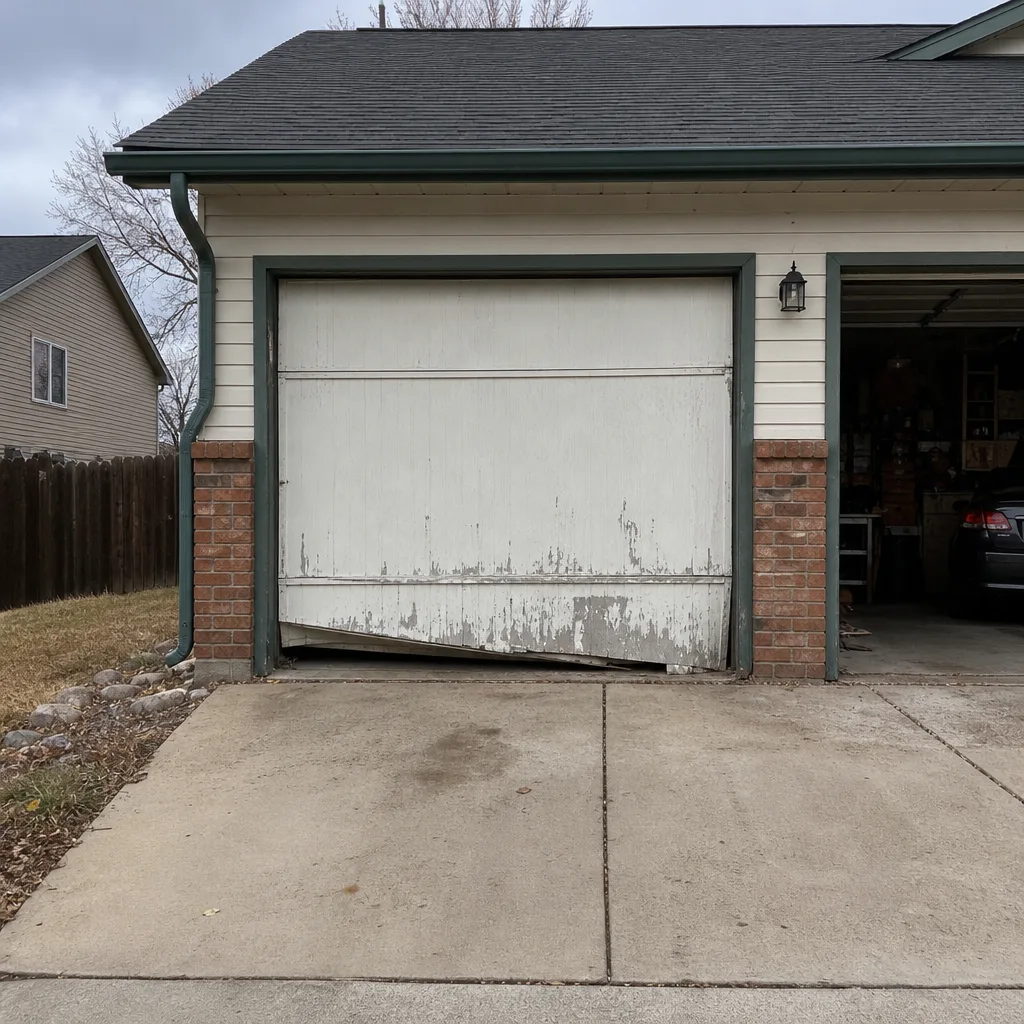 Before
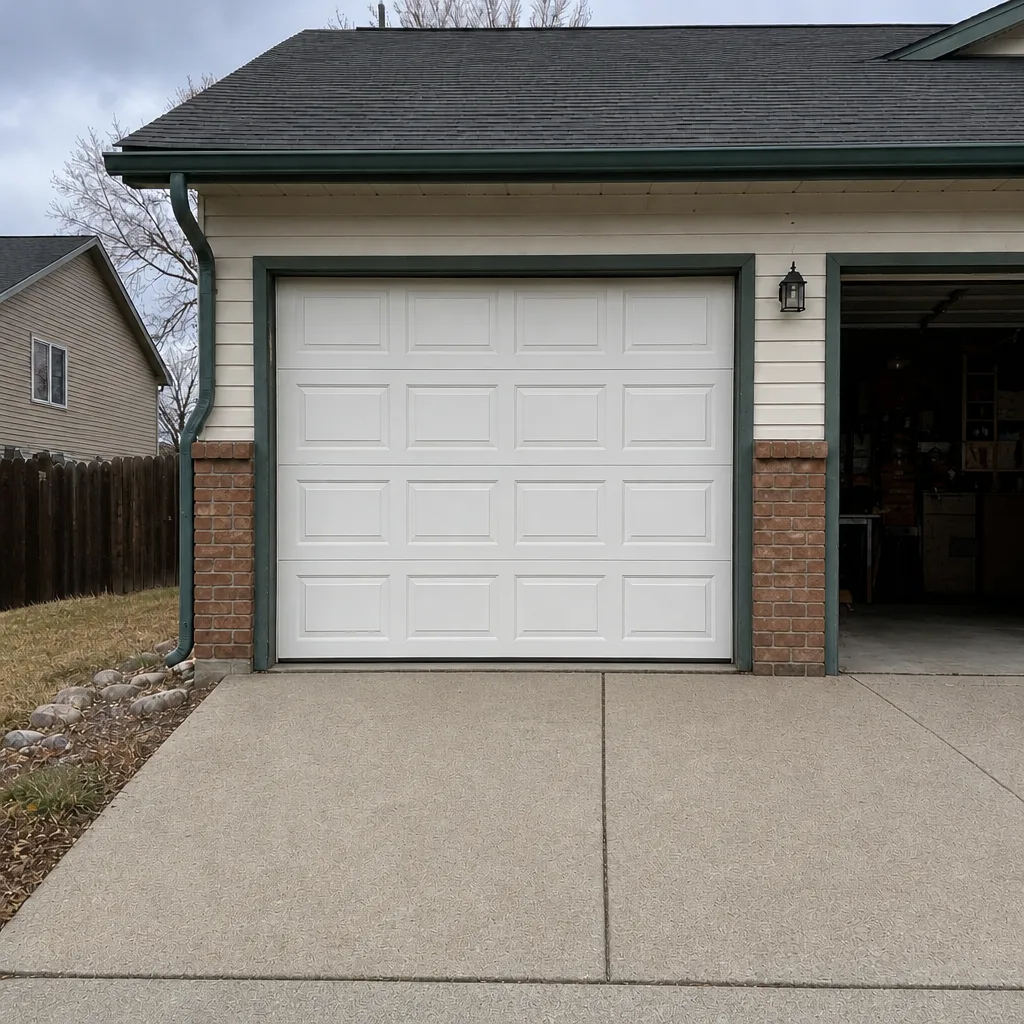 After
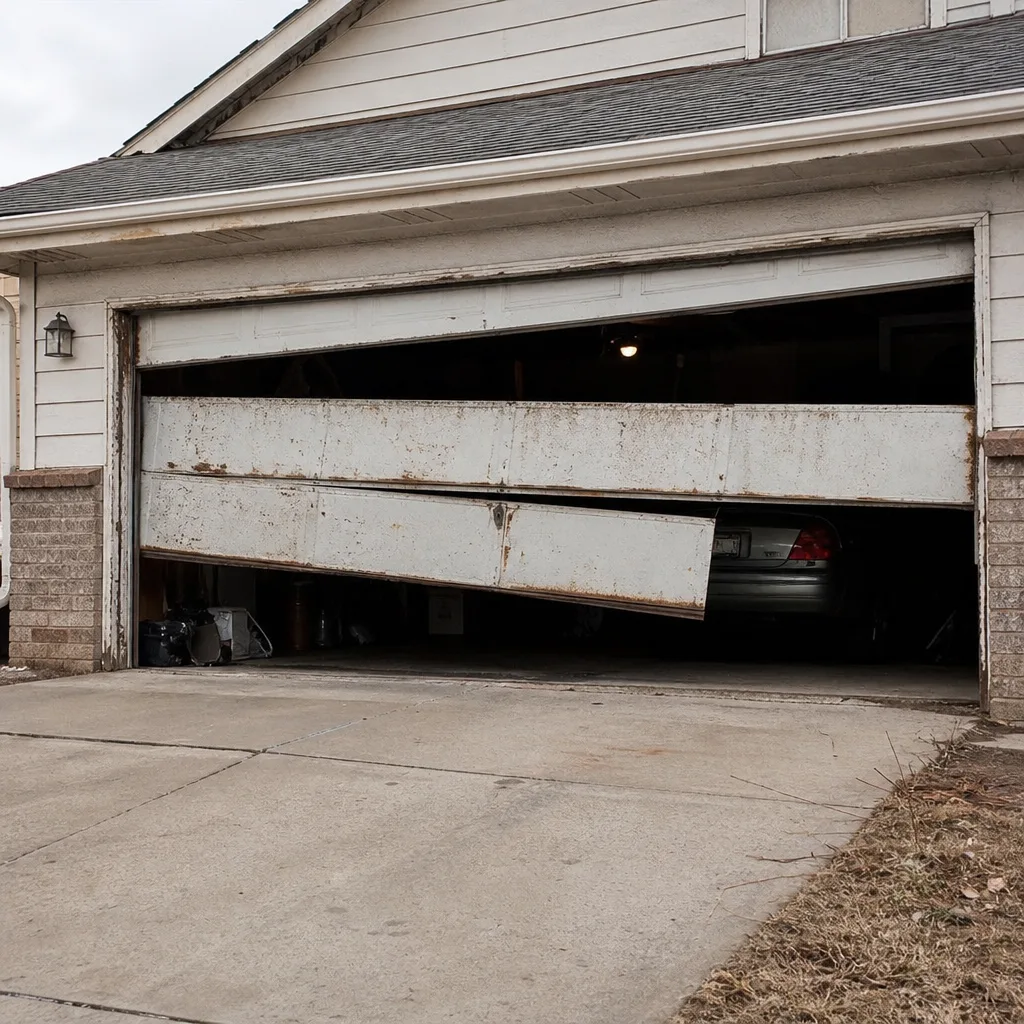 Before
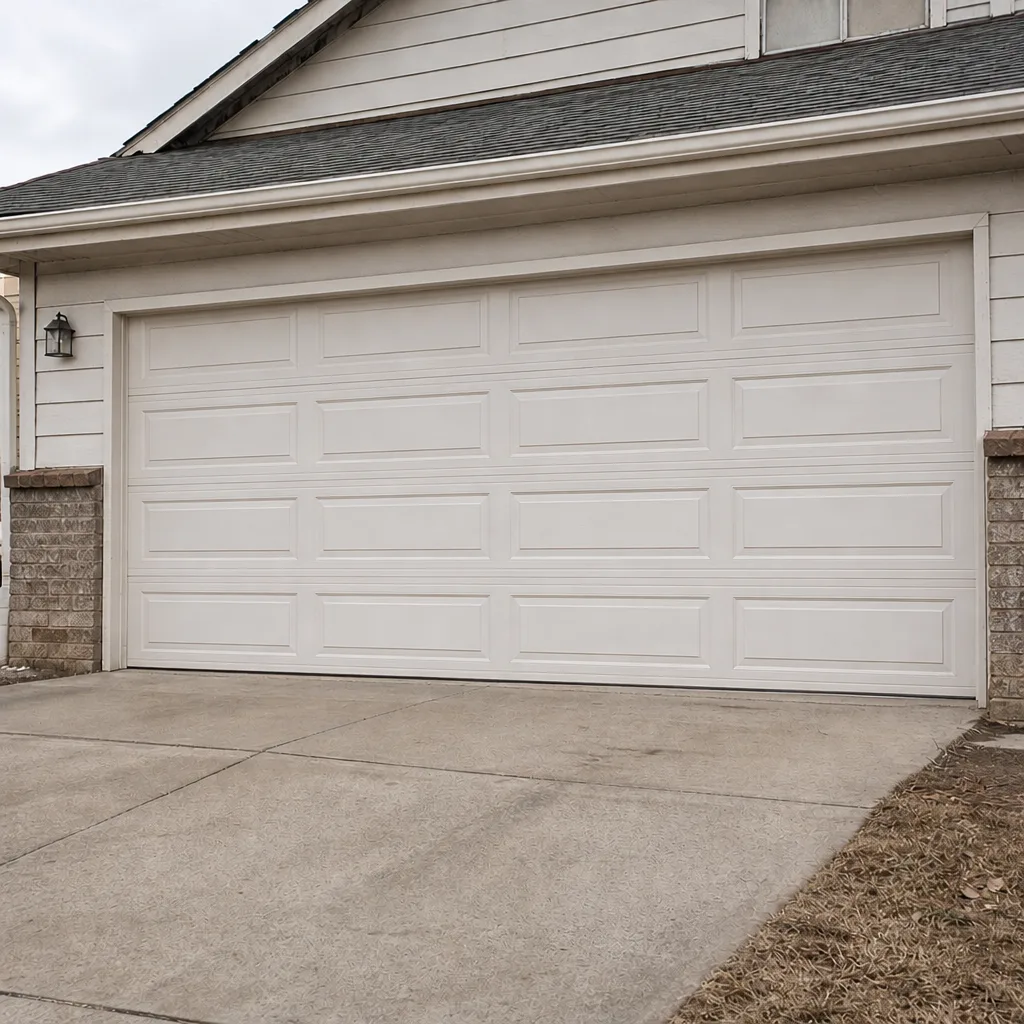 After
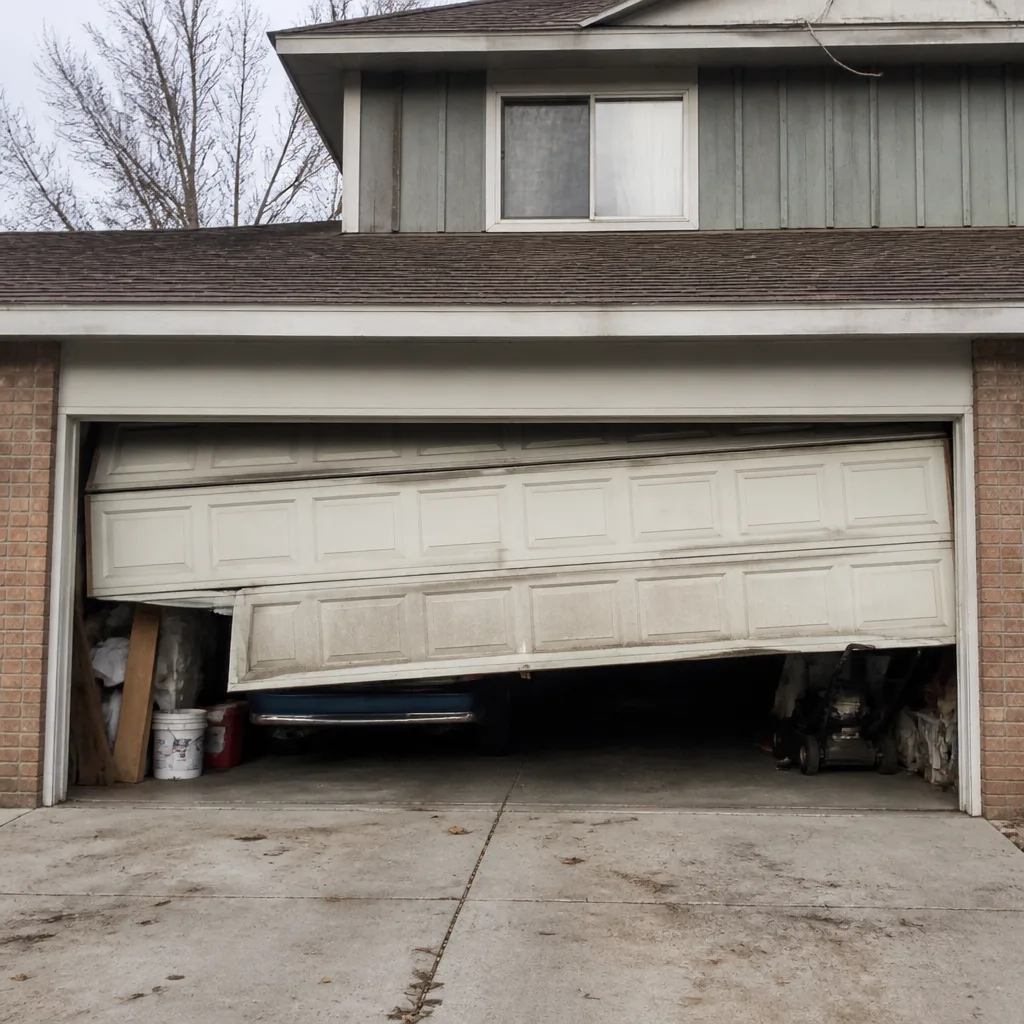 Before
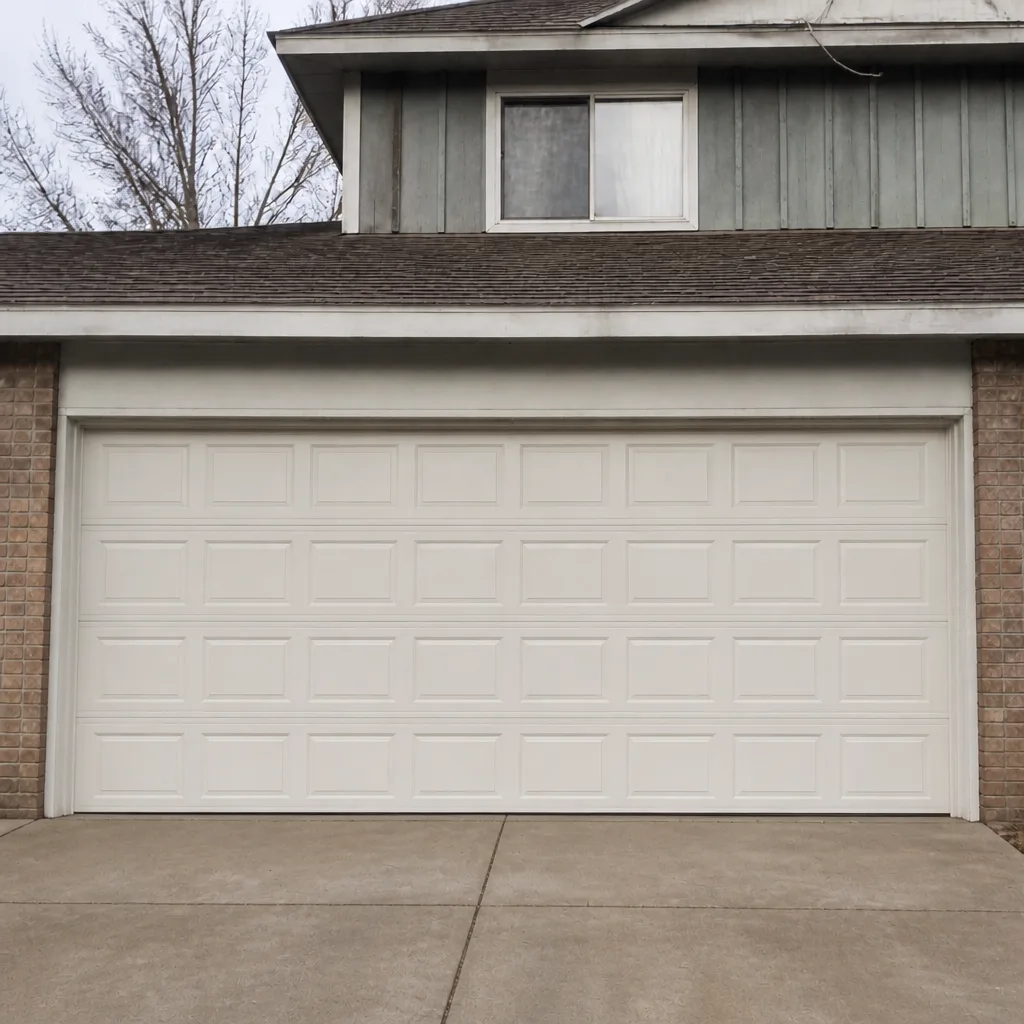 After
When to Call a Professional
Call a professional when the problem involves springs, cables, track realignment, or anything that holds the door’s weight. Call immediately if you hear a loud snap, the door won’t lift at all, or the door is hanging unevenly. These are signs of a broken spring or a failed cable, and continuing to operate the opener will cause more damage. Call a technician if your door reverses unpredictably, if the opener displays an error code you can’t resolve, or if the door’s behavior changes with the weather and you can’t isolate the cause. Call before attempting any repair that requires disassembling the door or adjusting tension settings.
Westbrook Garage Door Repair offers free estimates in Colorado Springs, and we work on every major door and opener brand. Call (855) 473-9096. We answer 24/7. Fast dispatch, 7am-7pm, Sunday through Friday.
Frequently Asked Questions
Your opener’s force-limit calibration has drifted because the door’s resistance changed with the temperature. Cold weather stiffens the rollers and grease, and the springs lose some tension, so the opener interprets the extra resistance as an obstruction and reverses the door. This is a calibration issue, not a broken part, and a technician can recalibrate the force settings to match the seasonal conditions. Call (855) 473-9096 for a free estimate.
No. Torsion springs store enough energy to cause severe injury or death if released improperly, and the freeze-thaw cycling that Colorado Springs doors experience makes spring tension unpredictable. Spring adjustment and replacement should always be done by a trained technician with the right tools. Do not attempt to wind, unwind, or replace a spring yourself.
The code tells you what the opener thinks is wrong, but the meaning of the code varies by brand. A Chamberlain code doesn’t mean the same thing as the same code on a LiftMaster unit, and Genie and Craftsman codes follow their own diagnostic logic. The code narrows the diagnosis, but you need brand-specific knowledge to interpret it correctly. Call (855) 473-9096 and we’ll help you figure out what the code means for your opener.
Disconnect the opener by pulling the emergency release cord, then lift the door by hand. If the door is hard to lift, slams down, or binds, the problem is in the door system, likely the springs or track. If the door moves smoothly by hand but fails when the opener is engaged, the problem is in the opener. This simple test isolates the subsystem before you spend money on parts.
It’s risky. A universal-fit spring rarely matches the tension requirement of your specific door, and using the wrong spring prematurely wears the opener, strains the cables, and can void the manufacturer’s warranty. Brand-matched parts are the correct choice for any garage door in Colorado Springs, and they last as long as the original hardware did. Call for a free estimate and we’ll source the right part for your model.
A worn spring develops symptoms gradually over months: the door gets heavier over time and the opener strains to lift it. A tension issue caused by freeze-thaw cycling is intermittent and weather-dependent, so the door works in the afternoon but feels sluggish on cold mornings. If your door’s behavior changes with the weather, you likely have a tension issue that a technician can measure and adjust. Call (855) 473-9096 for a free estimate.
The Bottom Line
Most garage door problems in Colorado Springs come down to three root causes: altitude-related hardware stress, freeze-thaw expansion cycles, and opener force-limit miscalibration. If the door is hard to lift or slams down, look at the springs. If it reverses unexpectedly without a physical break, suspect the opener’s calibration. If it binds or grinds, check the track. Isolate the problem before you spend money on parts. Stick to the safe DIY checks like sensor alignment and seal inspection, and leave spring, cable, and track work to a technician. Brand matters too: a Chamberlain code doesn’t mean the same thing as a LiftMaster code, and universal parts can void your warranty. If you’re not sure which category your problem falls into, call for a free estimate.
Westbrook Garage Door Repair provides Westbrook Garage Door Repair service across the Colorado Springs area, and we work on every major brand, from Clopay and Amarr doors to LiftMaster, Chamberlain, Genie, and Craftsman openers. Our technicians have up to 11 years of experience diagnosing the exact problems this climate creates. Call (855) 473-9096 for a free estimate. We answer 24/7. Fast dispatch, 7am-7pm, Sunday through Friday.
Written by the team at Westbrook Garage Door Repair.