
Last updated November 15, 2026
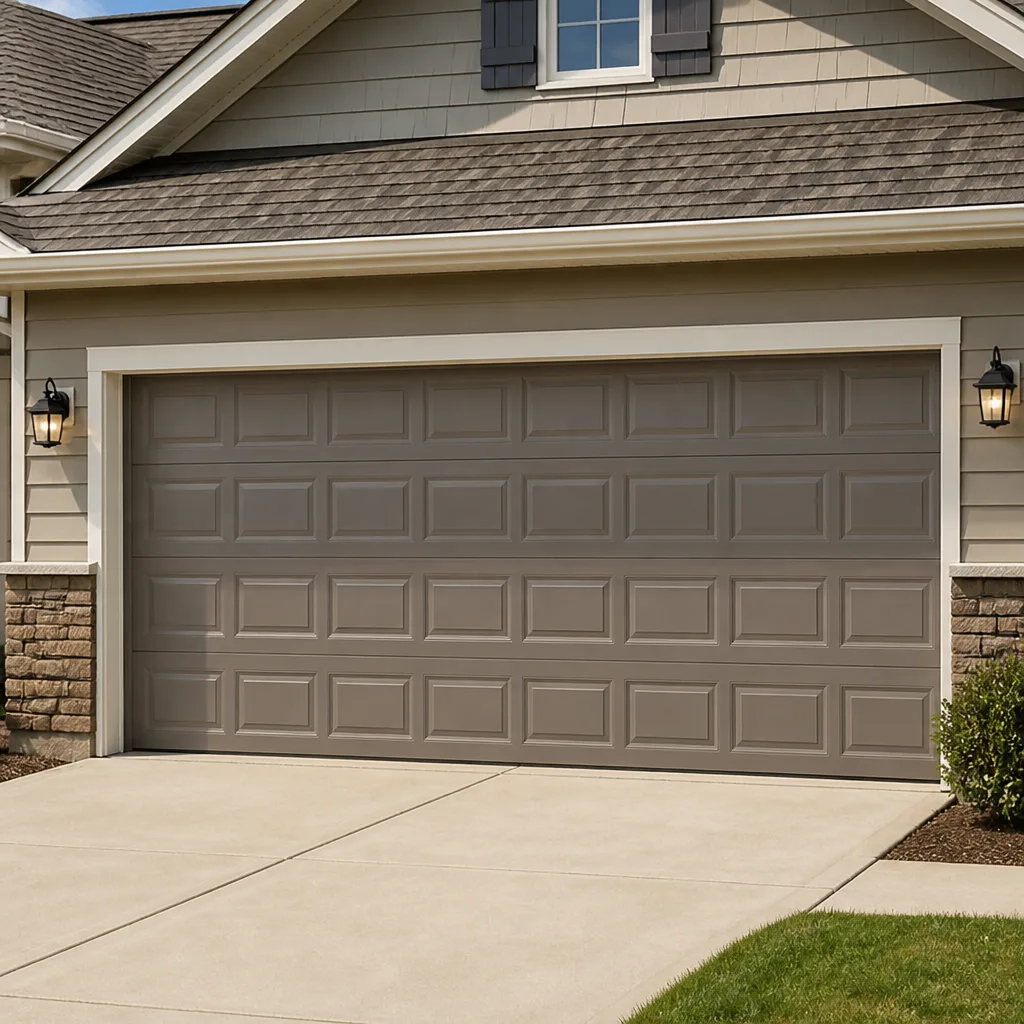 Raised-panel steel
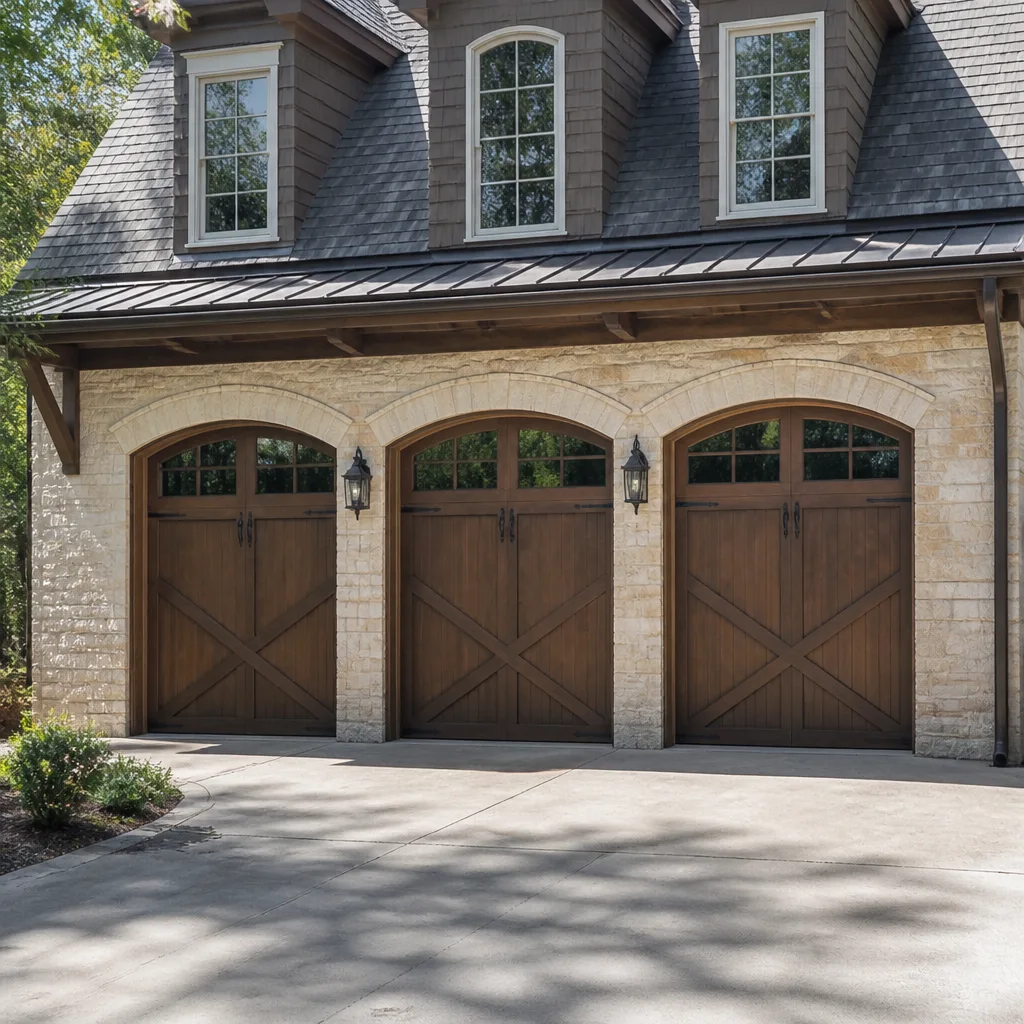 Carriage house
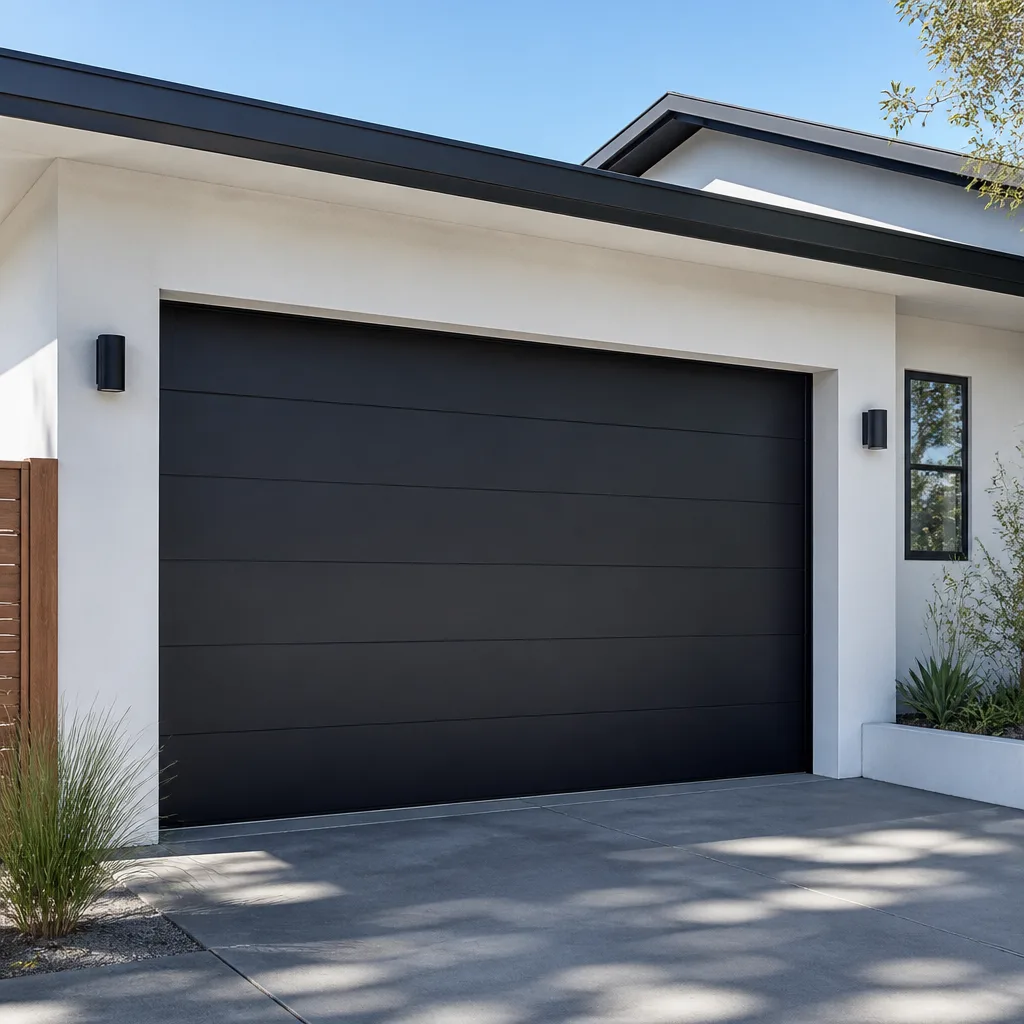 Modern flush
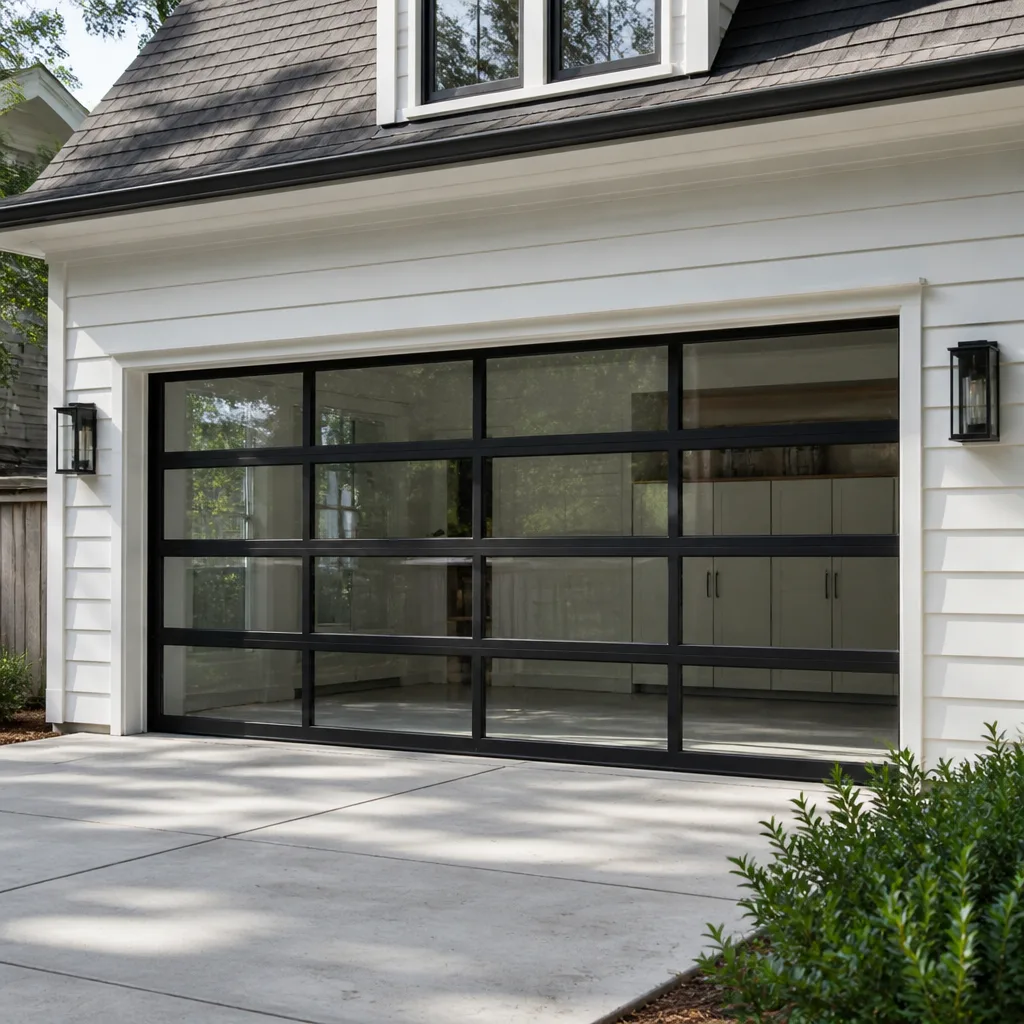 Full-view glass
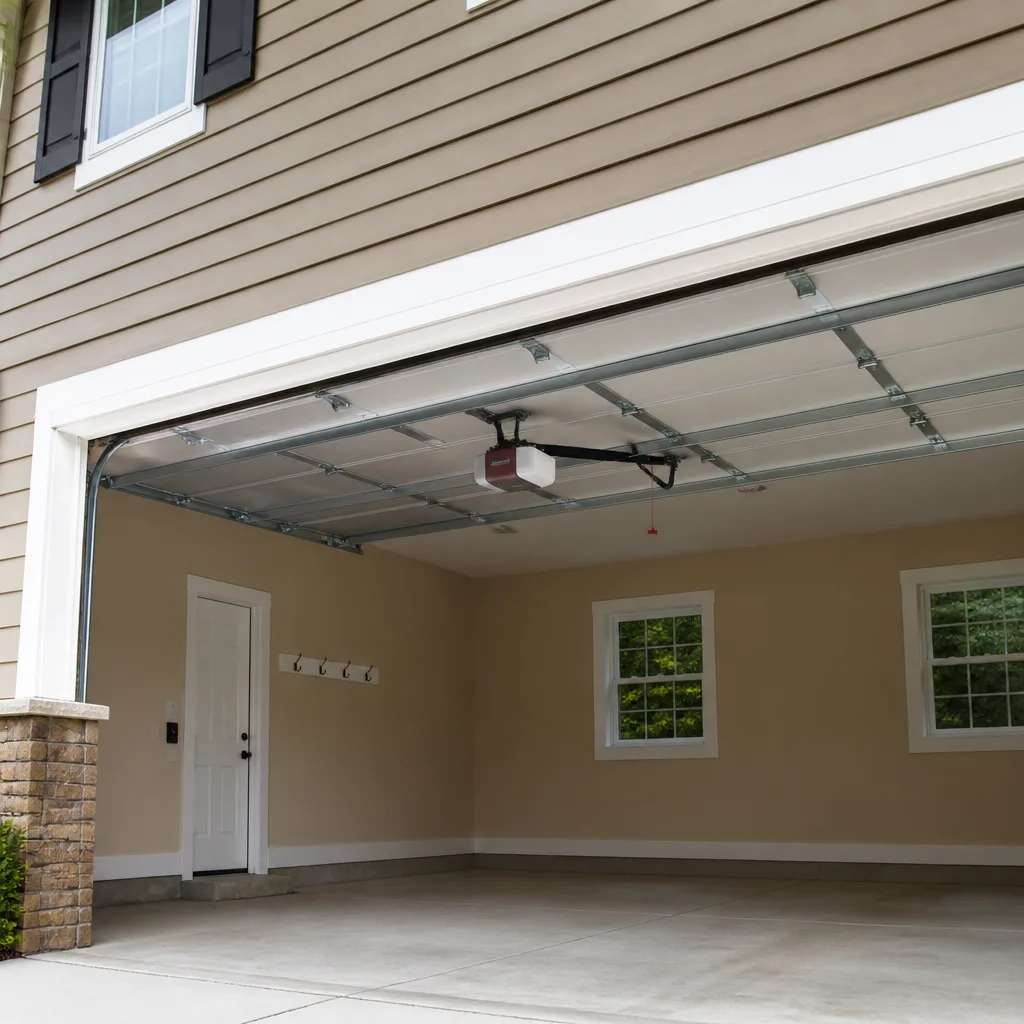 LiftMaster openers
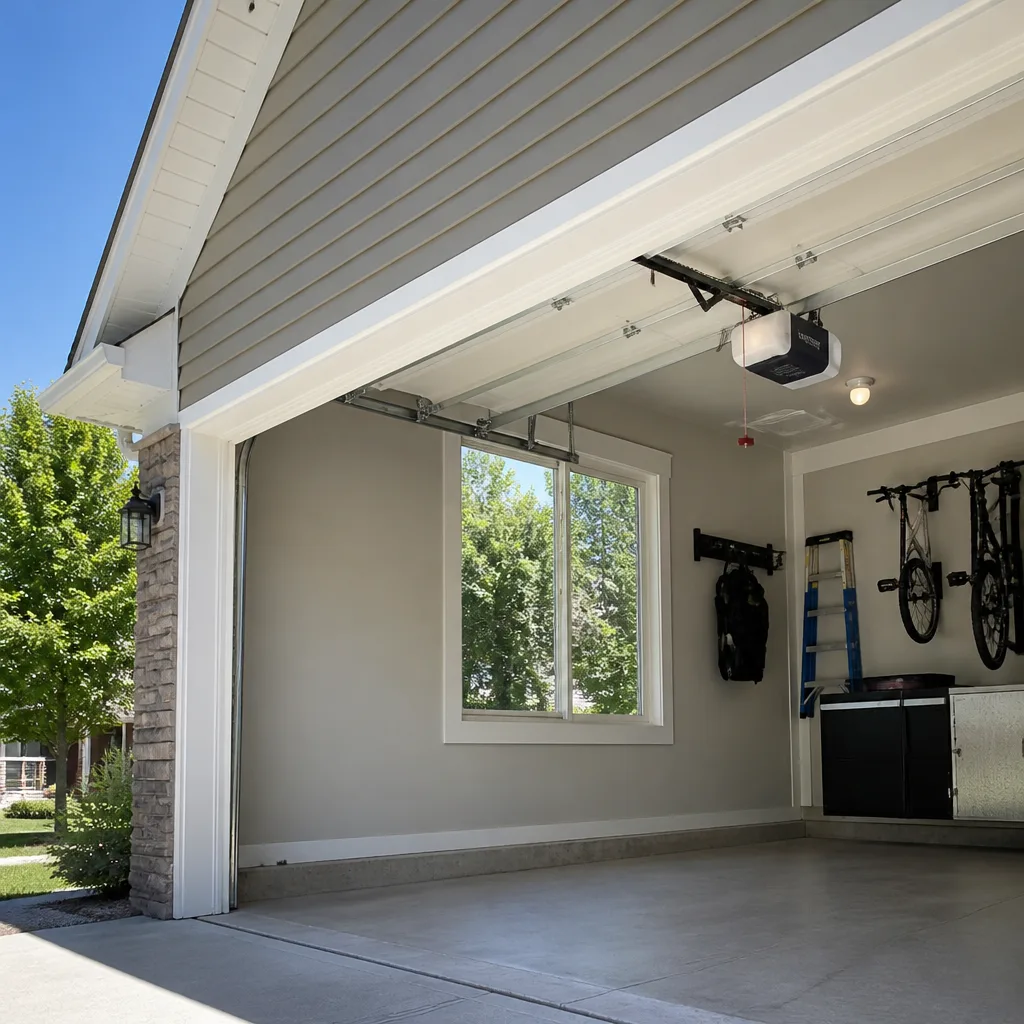 Chamberlain openers
Full 25-point door and opener safety check with every visit - springs, cables, rollers, tracks, and your LiftMaster or Chamberlain opener included
You get a price before we start. It does not change when the pro arrives.
Get your free estimateDIY vs Professional Garage Door: The Colorado Springs Homeowner’s Decision Guide
Most homeowners assume the DIY-versus-professional question is about skill. It usually isn’t. The real dividing line runs through specific physical tasks, some of which are genuinely fine for a careful homeowner and some of which can hurt you permanently before you have time to react. The more common DIY failure we see isn’t a dramatic accident with a torsion spring. It’s a homeowner who replaces cables or rollers correctly, then doesn’t realize the door now weighs fifteen pounds more than its spring was sized for, and quietly compresses the opener’s lifespan from years to months. This guide draws that line task by task, explains the mechanical reasons behind it, and gives Colorado Springs homeowners a clear decision framework for their own garage.
Quick Answer
Lubrication, sensor cleaning, weatherstripping, and panel painting are genuinely safe DIY tasks. Spring replacement, cable tensioning, and header bracket installation are not, and should be handled by a trained technician who can measure the door’s actual weight and match spring tension to it. Everything in between depends on whether you have the calibrated tools, the door’s model specifications, and the ability to test the whole system after the fix rather than just the part you touched.
Styles & brands we work with
- Raised-panel steel
- Carriage house
- Modern flush
- Full-view glass
- LiftMaster openers
- Chamberlain openers
Table of Contents
- Where the actual safety line sits
- The DIY eligibility matrix: task by task
- Why a correct DIY repair still damages your opener
- Colorado code and fire-rated doors on attached garages
- Botched repair costs vs. professional installation costs in Colorado Springs
- What the Colorado Springs climate does to your door
- The one task to always call a professional for
- When to call a professional
Where the Actual Safety Line Sits
Torsion springs store enough energy to cause permanent injury when released. That’s the headline fact, and it’s true, but it’s not the whole story. The safety question isn’t just “can this part hurt me if it fails while I’m working on it?” It’s also “can my work on this part cause a different component to fail later, when someone else is standing under the door?”
A torsion spring holds tension that’s measured against the door’s exact weight. When you remove one, that tension has to go somewhere, and the wind-up bars needed to release it safely are specific tools you won’t find in a typical homeowner’s kit. Extension springs, common on older doors, fail differently but still carry real stored energy, and they need safety cables if they don’t already have them. Neither system is something to learn on your own door while your car is parked underneath.
Cables are a second hard line. A cable under tension can snap back, and the way it’s tensioned is tied directly to how the spring was set. What we’ve seen repeatedly in Colorado Springs is homeowners getting the cable replacement itself right, then running the door without verifying spring balance. The door travels unevenly, stresses the opener, and the failure shows up weeks later in a component nobody touched.
The professional’s job here isn’t just muscle. It’s measurement. A technician checks the door’s actual weight against the spring rating, verifies cable tension after any adjustment, and stress-tests the whole system before calling the job done. That second step, the system check, is where most DIY jobs stop short.
The DIY Eligibility Matrix: Task by Task
Not every garage door task is dangerous. Some are routine and well within reach for a homeowner with basic tools. Sorting tasks into three buckets – safe, proceed with caution, and professional-only – makes the decision concrete instead of a gut call.
Safe for most homeowners
- Lubricating hinges, rollers, and tracks: A garage door specific lubricant applied to the moving points keeps the door quiet and reduces wear. Wipe off excess so it doesn’t collect grit.
- Cleaning and aligning safety sensors: The photo-eye sensors near the floor stop the door if something crosses their beam. Wiping them down and checking they’re pointed at each other resolves a surprising number of “door won’t close” complaints.
- Replacing weatherstripping: Bottom seals and side trim wear out and let in cold air, dust, and pests. This is a straightforward replacement on most doors.
- Painting or staining panels: Cosmetic work on steel or wood doors is fine if you prep and prime properly. Check the manufacturer’s finish guidance for your door model first.
- Testing the auto-reverse: Place a piece of wood flat on the floor under the door and confirm it reverses on contact. Do this monthly. It’s one of the most important habits you can build.
Proceed with caution
- Replacing rollers: Manageable if the door is fully open and supported, but nylon rollers should be matched to track type and door weight. Wrong rollers wear the track.
- Adjusting track alignment: Small adjustments are possible, but tracks carry the door’s full load and any bending puts uneven stress on the panels and hinges.
- Replacing a bottom bracket: This bracket connects to the cable on many doors. If yours does, treat it as professional work, not a DIY project.
Professional only
- Torsion spring replacement: Requires winding bars, spring sizing matched to door weight, and knowledge of how many turns a given spring needs.
- Extension spring replacement: Same stored-energy risk, different mechanics. Never operate a door with a broken extension spring.
- Cable replacement and tensioning: Cables are under load and tied to spring tension. A cable that isn’t tensioned correctly can throw the door off balance.
- Header bracket installation: The bracket that anchors the opener to the wall above the door has to be positioned to the opener’s spec and fastened into structural material. Get it wrong and the opener pulls itself loose.
- Panel replacement on a damaged door: Panels carry structural load. Replacing one requires matching the manufacturer’s panel, hinges, and reinforcing points.
- Opener installation or replacement: Wiring, force settings, travel limits, and safety reversal all need correct calibration, and smart-openers add network setup on top.
A quick decision rule
- Does the task involve a spring, cable, or bracket attached to either?
- Does the task change the door’s balance or weight distribution?
- Does the task require a tool you don’t own and can’t rent locally?
- Would a mistake cause the door to fall, slam, or fail to reverse?
If any answer is yes, it’s professional work. If all four are no, you’re likely in the safe zone. For anything in the professional bucket, a call to Westbrook Garage Door Repair at (855) 473-9096 is the fastest way to a straight answer about what your specific door needs. Estimates are free.
Why a Correct DIY Repair Still Damages Your Opener
Here’s the scenario we run into most often on calls around Colorado Springs: a homeowner notices the door feels heavy, replaces the cables or rollers, gets the mechanical work right, and then six months later the opener motor burns out or the gear assembly strips. The cable job wasn’t wrong. The system was never re-balanced afterward.
Springs are sized to a door’s exact weight. A single spring bought off the shelf is almost never matched to your door unless someone measured it. When a door is heavier than its spring was intended for, the opener has to lift the difference. Openers are designed to lift a balanced door with a small amount of assist. Take away that balance and the opener is doing work it wasn’t built for, on every single cycle, for years.
The specific chain of failure
- The door’s actual weight is heavier than the installed spring was rated for.
- The opener has to lift the extra weight every cycle, increasing motor strain and current draw.
- Force settings get adjusted upward to compensate, which reduces the opener’s ability to detect obstructions.
- Gears, the trolley, or the motor fail months or years earlier than they otherwise would have.
- The homeowner replaces the opener, which solves the symptom but not the underlying balance problem.
The fix isn’t just calling a technician after the opener dies. It’s having the door’s weight checked and the springs matched correctly before replacing an opener, so the new one isn’t inheriting the same overload. Our technicians have up to 11 years of experience across eight major brands – Clopay, Amarr, Wayne Dalton, and Raynor doors, plus LiftMaster, Chamberlain, Genie, and Craftsman openers – which means we’re matching the right part to your model rather than fitting a universal part that may void the manufacturer’s warranty.
Colorado Code and Fire-Rated Doors on Attached Garages
This is where the DIY question gets more serious than most homeowners realize. If your garage is attached to your house, the wall between the two is treated as a fire separation wall, and the door leading from the garage into the house is typically required to be fire-rated. In many jurisdictions, that door is required to self-close and self-latch.
Replacing that door is not the same as replacing a standard interior door. A fire-rated door has a specific label and rating, and swapping it for a standard door with the same dimensions creates a code compliance problem. If your home is ever inspected, sold, or involved in an insurance claim, that non-compliant door matters. Some homeowners don’t realize the door they’re planning to install isn’t rated for the application until a contractor points it out.
We don’t issue permits or write code, and we don’t pretend to be the authority on this. The right move is to check with the City of Colorado Springs building department before replacing any door in the garage-to-house wall, and to use a fire-rated door if the wall is a fire separation. On the garage door itself, most cities require a permit for structural changes and for new installations, so it’s worth asking before the door goes up rather than after.
The same logic applies to anything that affects the garage door’s role in the building’s envelope. Header modifications, new tracks that change the opening dimensions, and reinforcement modifications all fall into a category where a professional installation with permit paperwork in hand is far simpler than fixing it later. That’s also where our Westbrook Garage Door Repair full-system coverage helps – door, opener, and installation handled by one team means the code questions get asked once, before the work starts.
Botched Repair Costs vs. Professional Installation Costs in Colorado Springs
We won’t quote you a firm number here, because we don’t quote firm numbers without seeing the door. But we can lay out the shape of the cost comparison, which is usually what homeowners actually want to understand before deciding.
What a DIY repair can cost to undo
- Wrong spring installed: The cost of the correct spring plus labor, and the old spring is scrap.
- Cable replaced without tension check: A re-tension job plus a possible balance adjustment, on top of the cable cost you already paid.
- Opener damaged by a heavy door: The opener itself, plus the spring correction that should have come first.
- Panel or track damage from an off-balance door: Panel replacement, track realignment, and in some cases a full door replacement.
- Header bracket pulled loose: Wall repair plus reinstallation with correct fasteners.
What professional work usually looks like
A spring replacement is priced per spring, and doors that have springs generally have two, so a matched pair is normally replaced together and costs roughly double a single. Opener repairs and replacements are priced by unit and configuration. A full door installation is measured, ordered, and scheduled, and the price is set by a written estimate before any work starts. If you want a sense of what a repair looks like versus a full replacement, our garage door repair page walks through the typical scope of each.
The point isn’t that DIY is always more expensive. It’s that the DIY repair is only cheaper when it works, and the tasks that fail are the ones where the failure is expensive to reverse. A homeowner who correctly replaces a bottom seal saves money. A homeowner who incorrectly replaces a torsion spring pays twice.
What the Colorado Springs Climate Does to Your Door
Colorado Springs sits at elevation, which means intense sun at high altitude, big swings between daytime and nighttime temperatures, and dry air most of the year. That combination is hard on a garage door. Steel panels expand and contract through the day, which works on every hinge and roller over time. Wood doors dry out and can crack along the grain.
The freeze-thaw cycle is the other factor. Water that gets into a track or under a bottom seal in the fall freezes in winter, and repeated freeze-thaw can lift a track out of alignment slowly enough that nobody notices until the door starts binding. Winter conditions also make a stuck door more urgent, and snow piled against the door or frozen into the seal is a common cause of “the door won’t open” calls around Hereford and other neighborhoods on the north side.
What this means for the DIY question: lubrication and weatherstripping aren’t just routine maintenance, they’re defense against the climate. Keeping seals intact and tracks clean is genuinely homeowner work worth doing. Anything involving spring tension is best handled before the winter cold hits, and after a heavy snow an off-track or binding door should be looked at by a technician rather than forced.
The One Task to Always Call a Professional For
If you take one thing from this guide, take this: torsion spring replacement is the one task that should not be DIY under any circumstances. The reason is mechanical, not just cautionary.
A torsion spring stores energy equal to the weight of the door multiplied by the amount of lift. For a typical two-car garage door, that’s a substantial load, and it’s held by two winding cones at each end of the spring. To remove the spring, you have to release that energy by winding it down, using bars that seat into the cones. If the bar slips, or if the spring is at the end of its life and fails while you’re winding, the spring itself becomes the projectile. Winding bars exist specifically because the spring can’t be released with ordinary tools, and the number of turns a spring takes is matched to the door’s weight and to the spring’s wire size and length.
The second reason is even simpler. Even if a homeowner safely releases the old spring, installing the new one requires knowing which spring to install. A spring that’s slightly too weak leaves the door heavy. A spring that’s too strong lifts the door on its own, and an opener can’t safely control a door that’s already moving upward. The right spring is a measurement, not a match-by-eye. That’s the definition of diagnosed, not guessed.
Every other professional-only task in this guide has an argument for a careful homeowner. This one doesn’t. Call us for it. Our technicians have up to 11 years of experience sizing and installing springs across Clopay, Amarr, Wayne Dalton, and Raynor doors.
When to Call a Professional
Some situations are clearly professional work and others are a judgment call, but a few are unambiguous. Call a professional if the door has a broken spring, if the door is off its track, if the opener hums but doesn’t move the door, if the door reverses on its own without an obstruction, or if the door has come down on something and the panels are bent. Call if you can see a cable that’s frayed or has come off a drum. Call if the door feels significantly heavier to lift by hand than it used to. These are all signs that something in the system has failed in a way that affects other components, and the safe move is to have it diagnosed before more damage happens.
Westbrook Garage Door Repair offers free estimates in Colorado Springs – call (855) 473-9096. We answer 24/7, and fast dispatch runs from 7am to 7pm, Sunday through Friday. We’re closed Saturday. Whether your door needs a repair, an opener diagnosis, or a full replacement, we handle the entire system so you’re not bounced between a door company and an opener company. If you need garage door opener repair, we work on LiftMaster, Chamberlain, Genie, and Craftsman systems, and we’ll tell you plainly when a repair makes sense and when a replacement is the better call.
See the difference
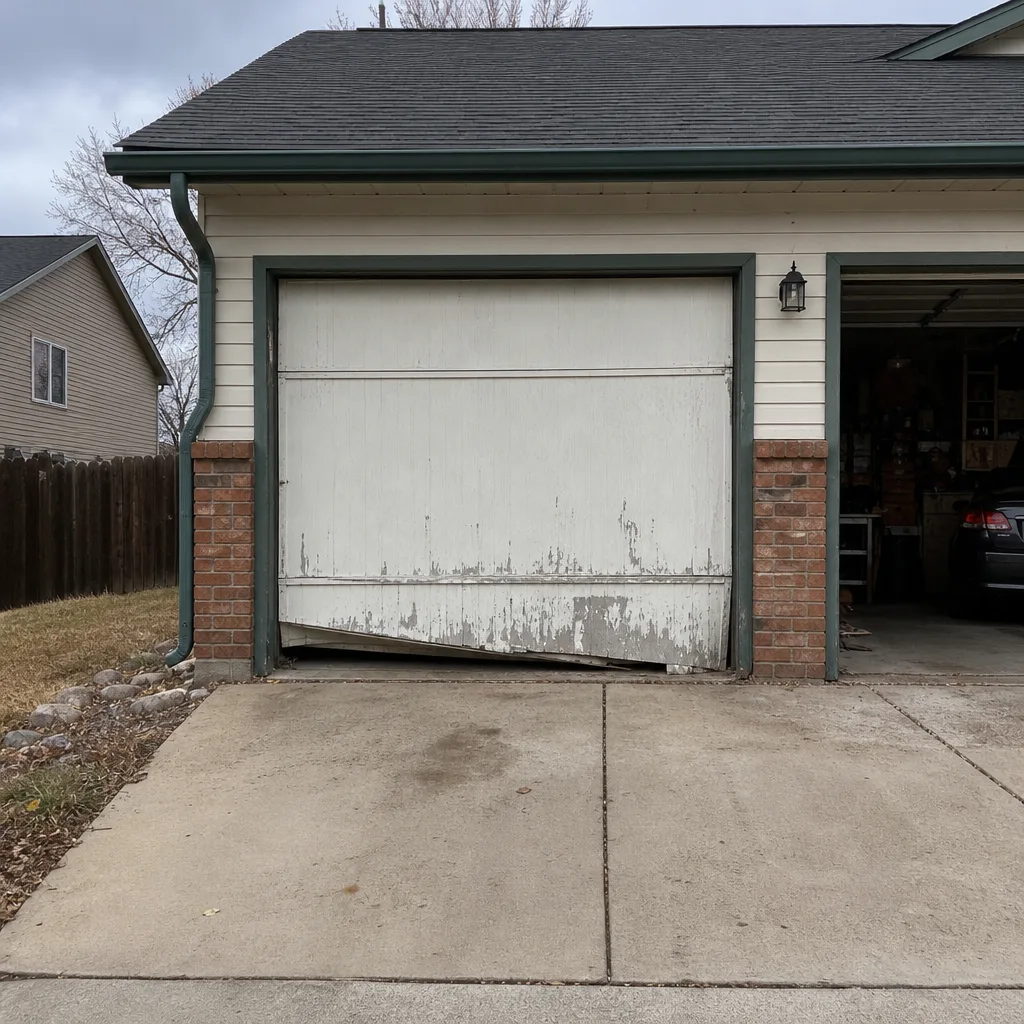 Before
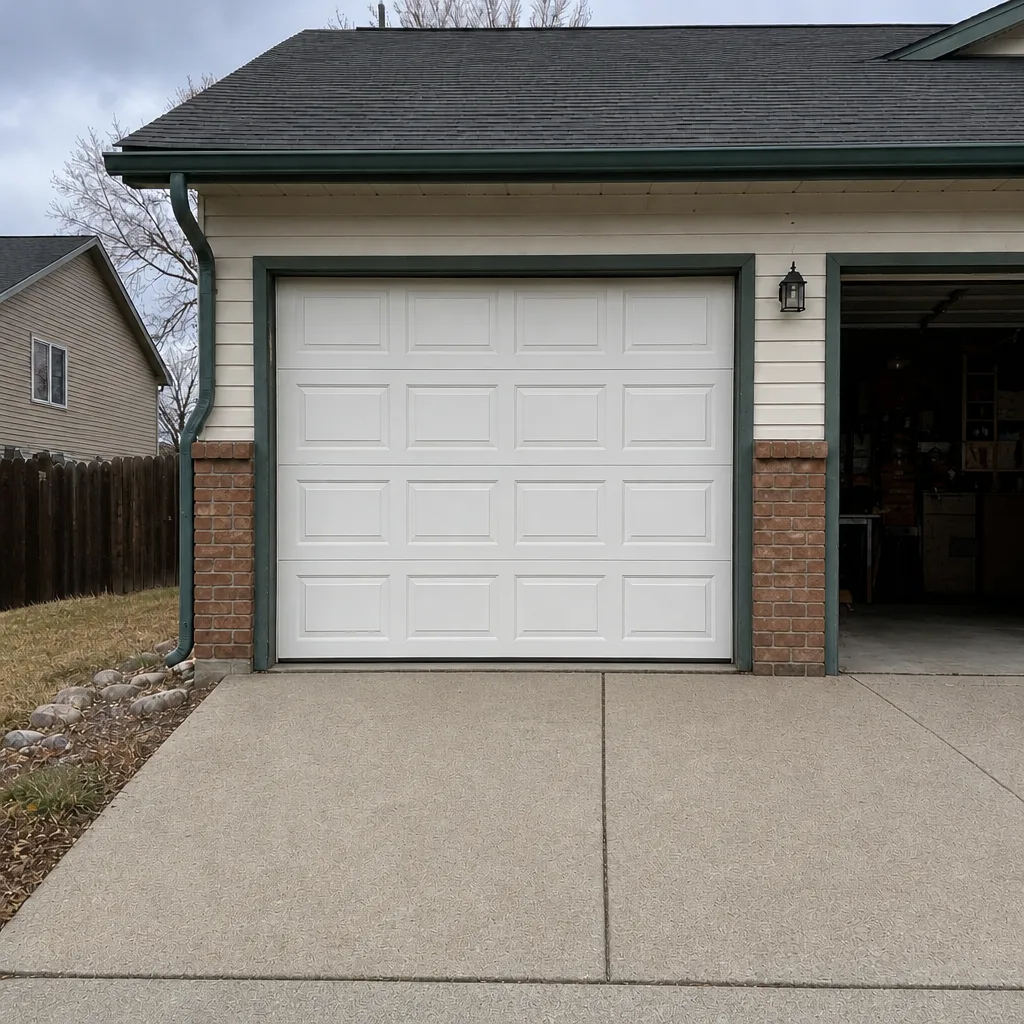 After
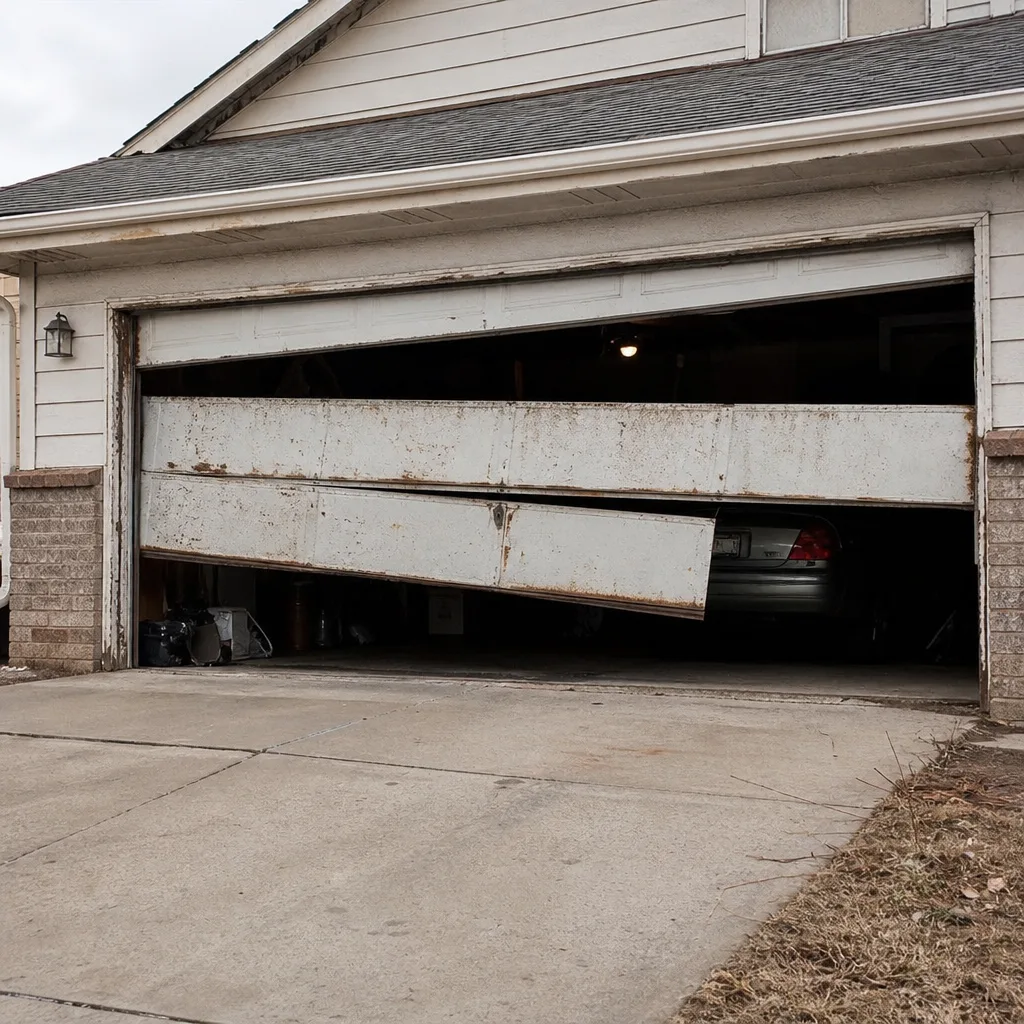 Before
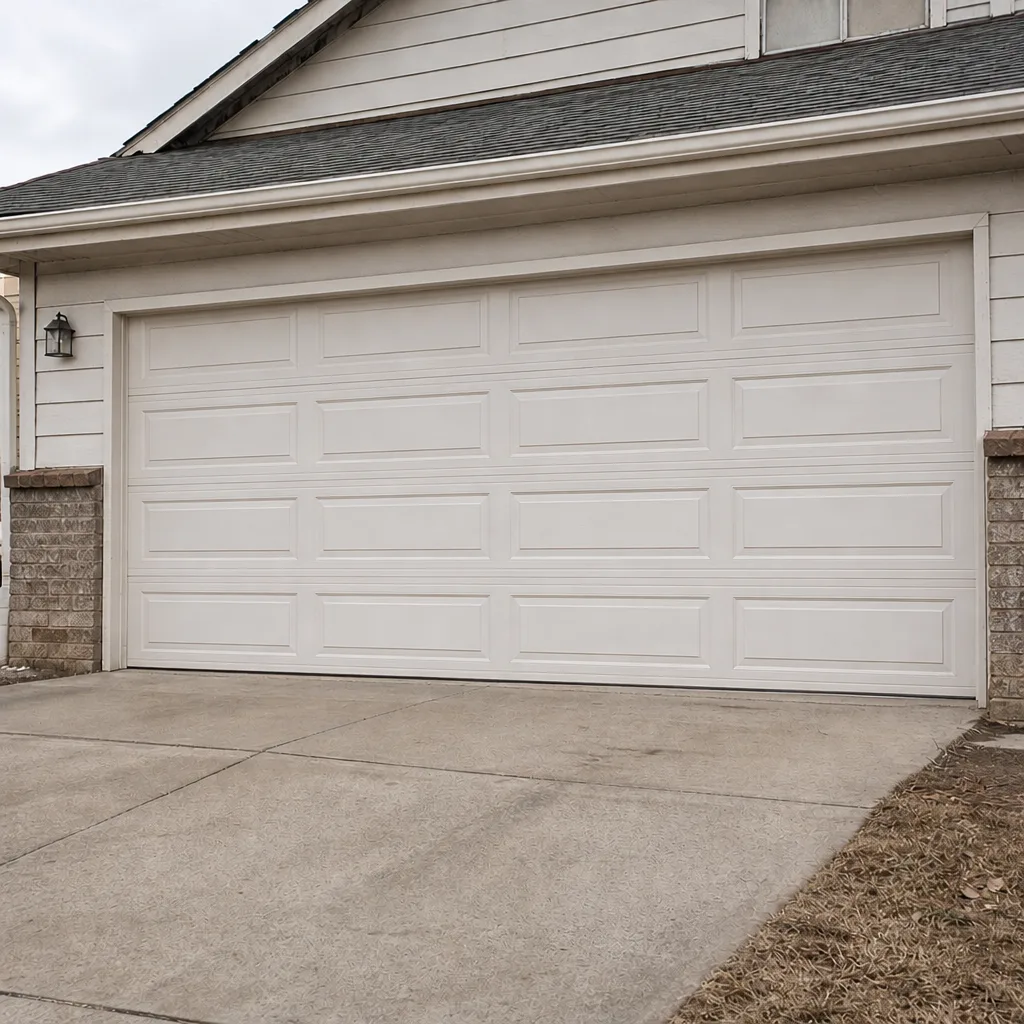 After
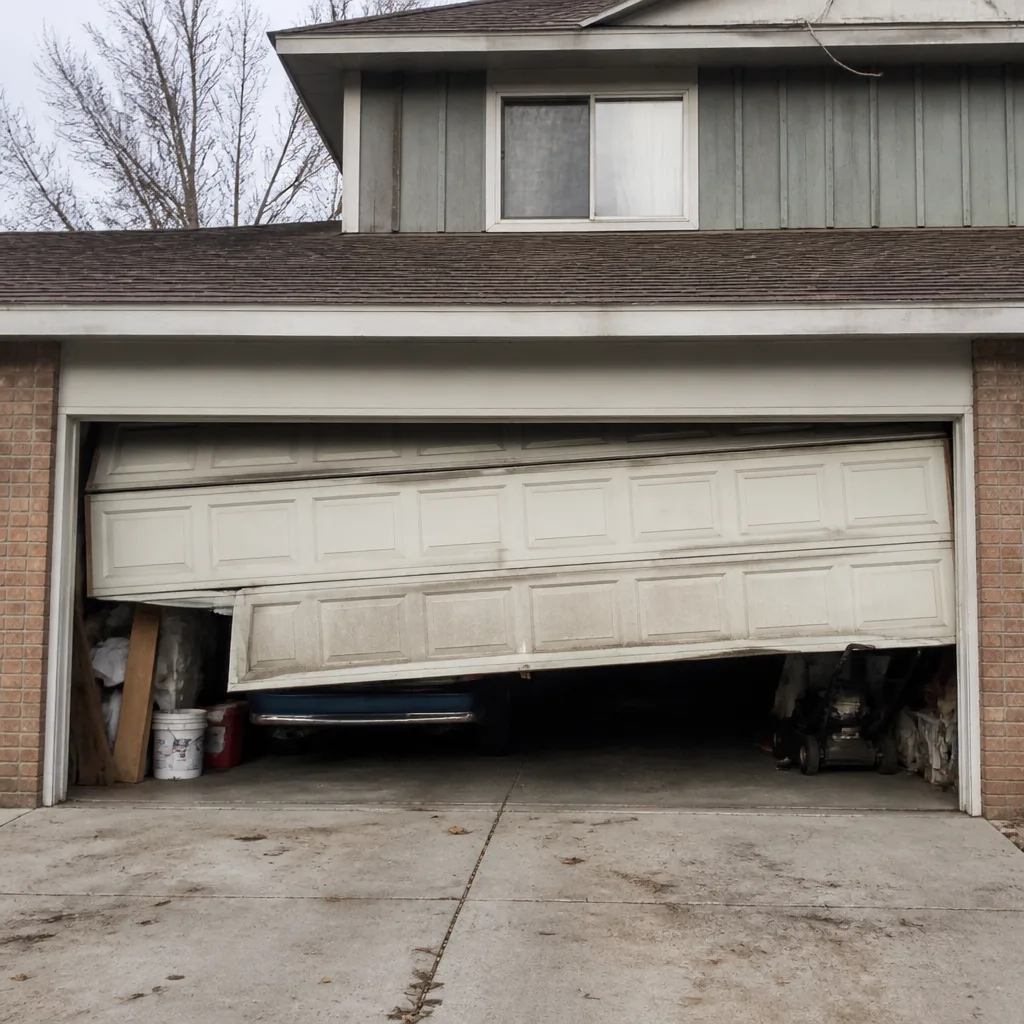 Before
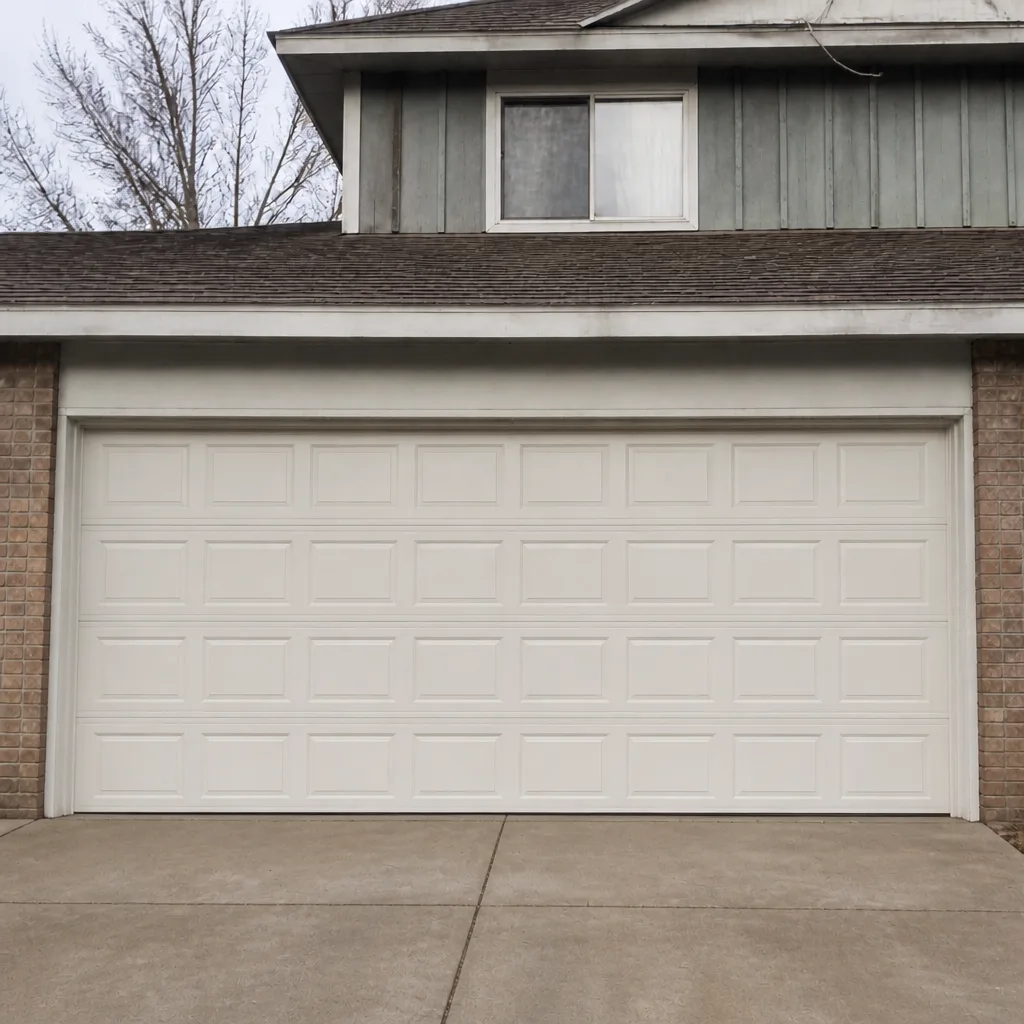 After
Frequently Asked Questions
No – torsion and extension springs should always be replaced by a trained technician. Springs store enough energy to cause permanent injury, and the correct replacement depends on the door’s weight and spring rating, which requires measurement. A spring that’s too weak leaves the door heavy; one that’s too strong lifts the door on its own, which the opener can’t safely control. Call (855) 473-9096 for a free estimate on spring replacement.
Yes, lubricating hinges, rollers, and tracks is a safe homeowner task. Use a garage door specific lubricant on the moving points and wipe off any excess so it doesn’t collect grit. Skip the springs – they’re under load and don’t need lubrication from a homeowner. If your door is noisy after lubrication, something is worn and worth an inspection.
Most cities require a permit for a new garage door installation or for structural changes to the opening, but requirements vary and it’s worth confirming with the City of Colorado Springs building department before work begins. If your garage is attached to the house, the door between the garage and the living space is typically a fire-rated door, and replacing it with a standard door can create a compliance problem. Ask before you buy.
In most cases, the opener is working harder than it was designed to because the door is heavier than its spring was sized for. Springs need to match the door’s exact weight, and a door that isn’t properly balanced forces the opener to lift the difference on every cycle. The fix is a spring measurement and correct sizing, not another opener. Call (855) 473-9096 and we’ll check the balance before recommending a new opener.
We answer 24/7 and run fast dispatch from 7am to 7pm, Sunday through Friday, and same-day repair is often possible. A call outside dispatch hours gets booked into the next opening. We’re closed Saturday, so a door that fails then gets scheduled for Sunday. Call (855) 473-9096 and we’ll tell you what’s available.
No. The written estimate sets the price, and we quote and agree on that number before any work starts. If we find something the estimate didn’t cover, we’ll explain it and get your approval before proceeding, not spring it on you at the end. Estimates are free, and we’ll never start work at a price you haven’t agreed to.
Yes. Our technicians are experienced professionals, licensed and insured, with up to 11 years of experience working on garage doors and openers. We work across eight major brands, including LiftMaster, Chamberlain, Genie, Clopay, Amarr, Wayne Dalton, Craftsman, and Raynor, so we’re matching the right part to your specific model. Call (855) 473-9096 for a free estimate.
The Bottom Line
The DIY-versus-professional decision comes down to task, not skill. Lubrication, sensor cleaning, weatherstripping, and panel painting are homeowner-appropriate and worth doing regularly, especially in Colorado Springs where climate works on the door year-round. Springs, cables, header brackets, and any work that changes the door’s balance are professional territory, and the most common DIY failure isn’t a spring accident – it’s an off-balance door quietly wearing out an opener. If your door feels heavier than it used to, is noisy after lubrication, or is showing any sign of a spring or cable problem, get it diagnosed. Westbrook Garage Door Repair handles the whole system, from broken spring to brand-new door, and we’ll give you a straight answer about what your door actually needs. Estimates are free.
Call Westbrook Garage Door Repair at (855) 473-9096 for a free estimate on any garage door or opener issue in Colorado Springs. We answer 24/7, and fast dispatch runs from 7am to 7pm, Sunday through Friday. We’re closed Saturday. Estimates are free, the price is set by the written estimate before work starts, and we’ll tell you plainly whether repair or replacement is the better call for your door.
Written by the team at Westbrook Garage Door Repair.