
Last updated November 15, 2026
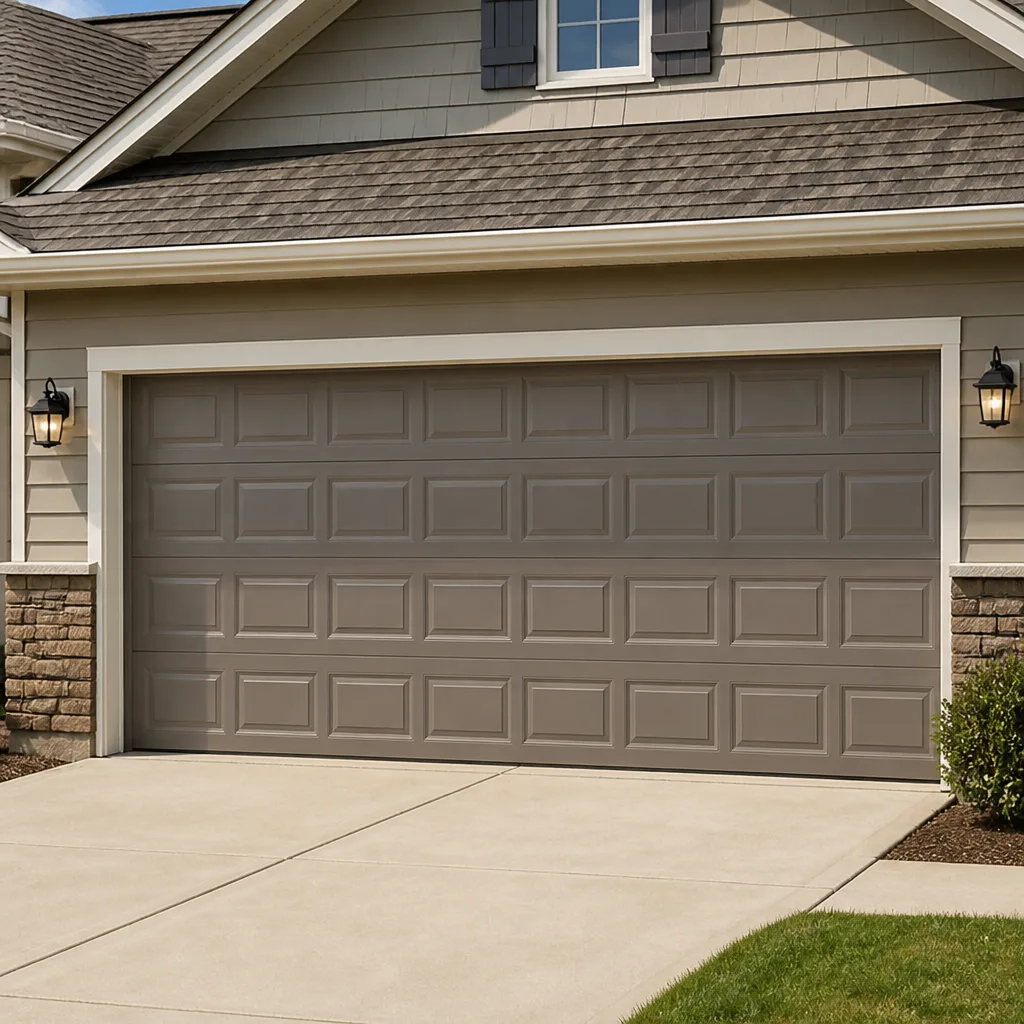 Raised-panel steel
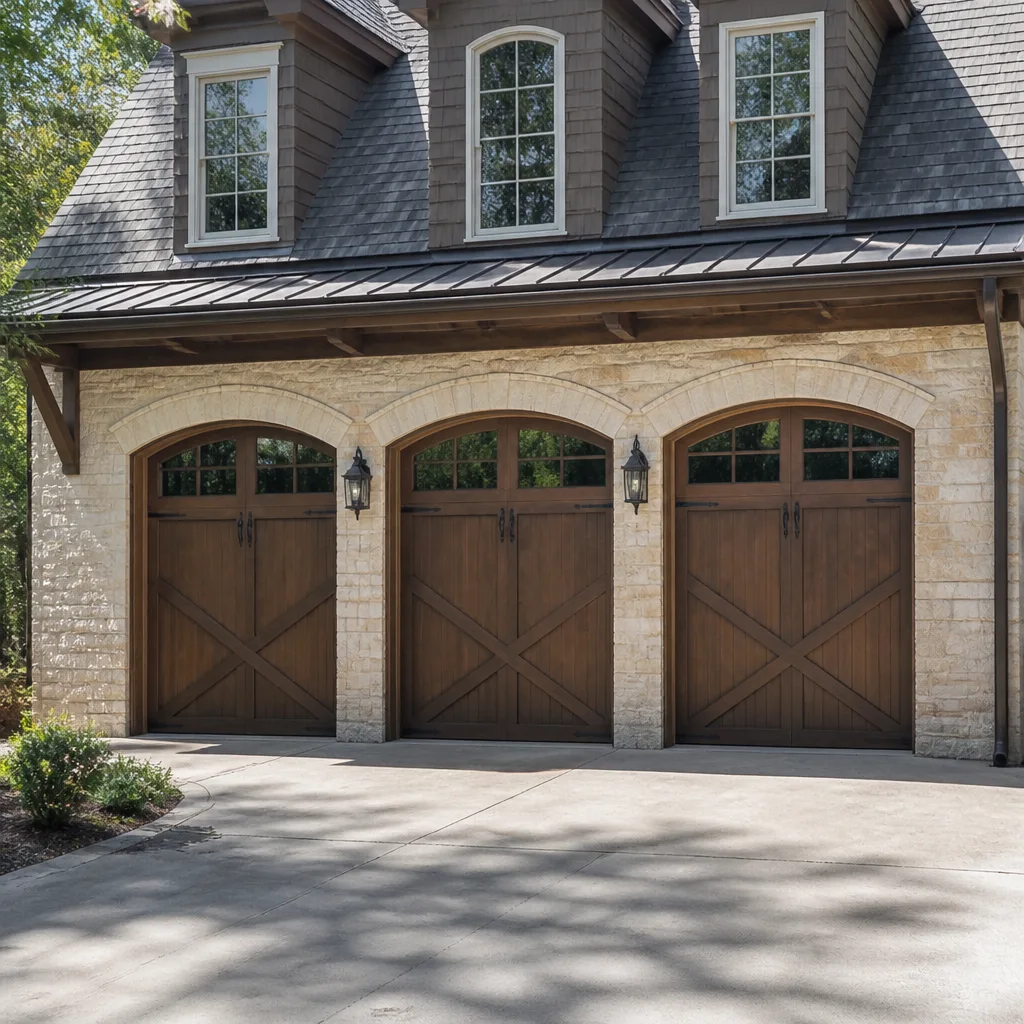 Carriage house
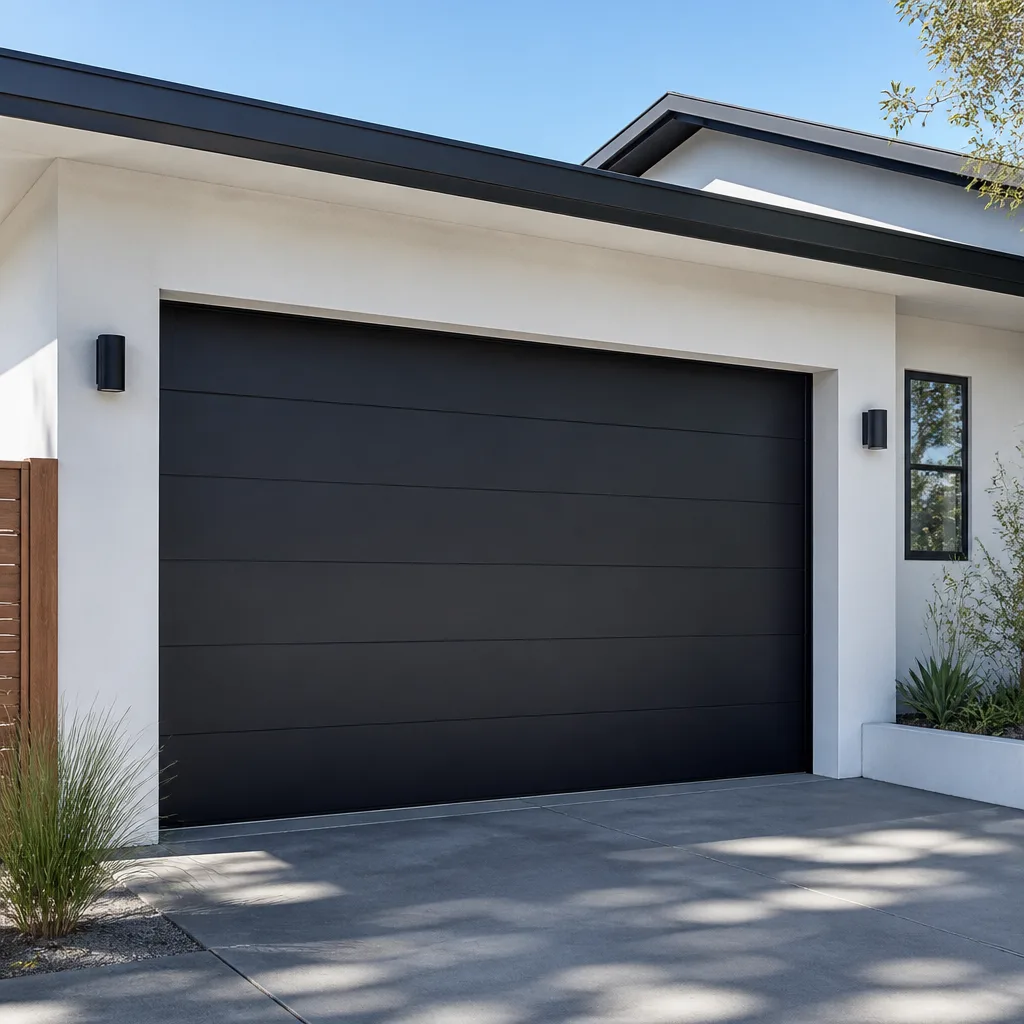 Modern flush
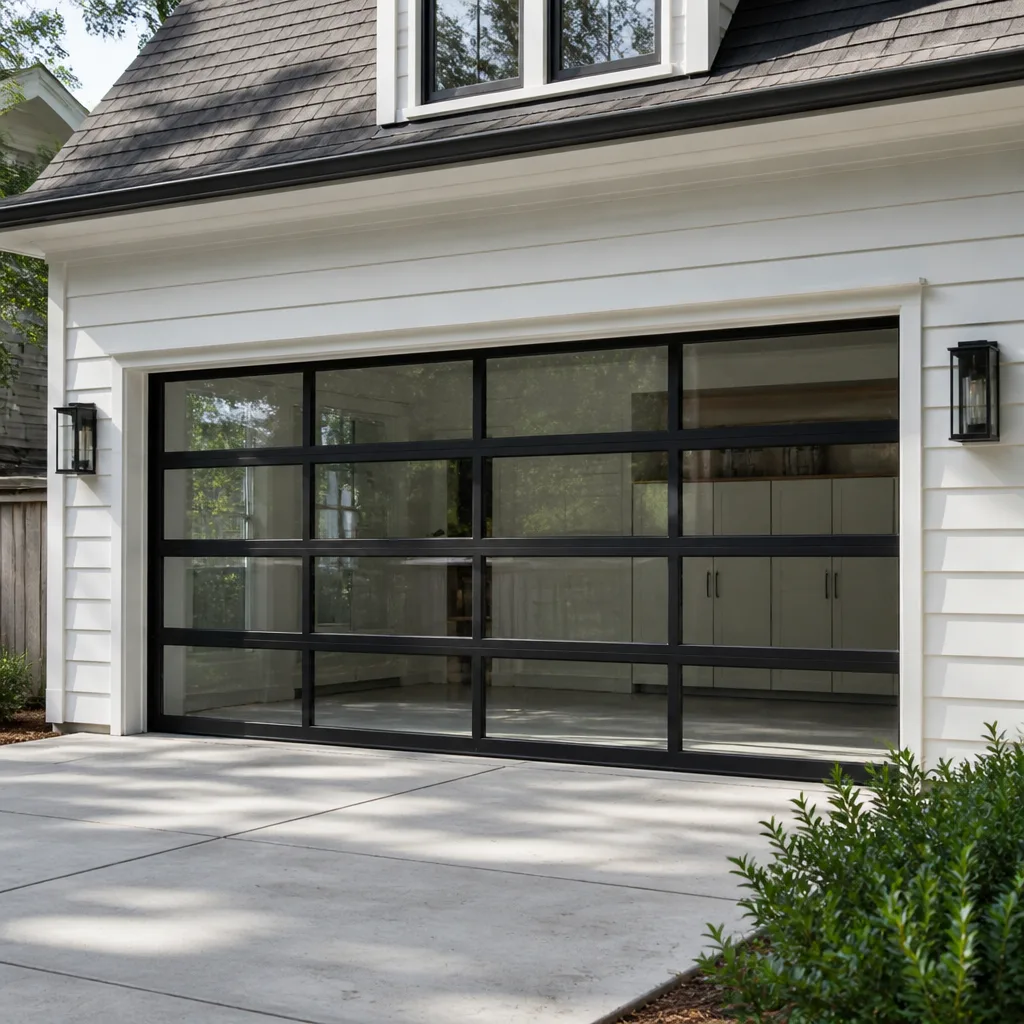 Full-view glass
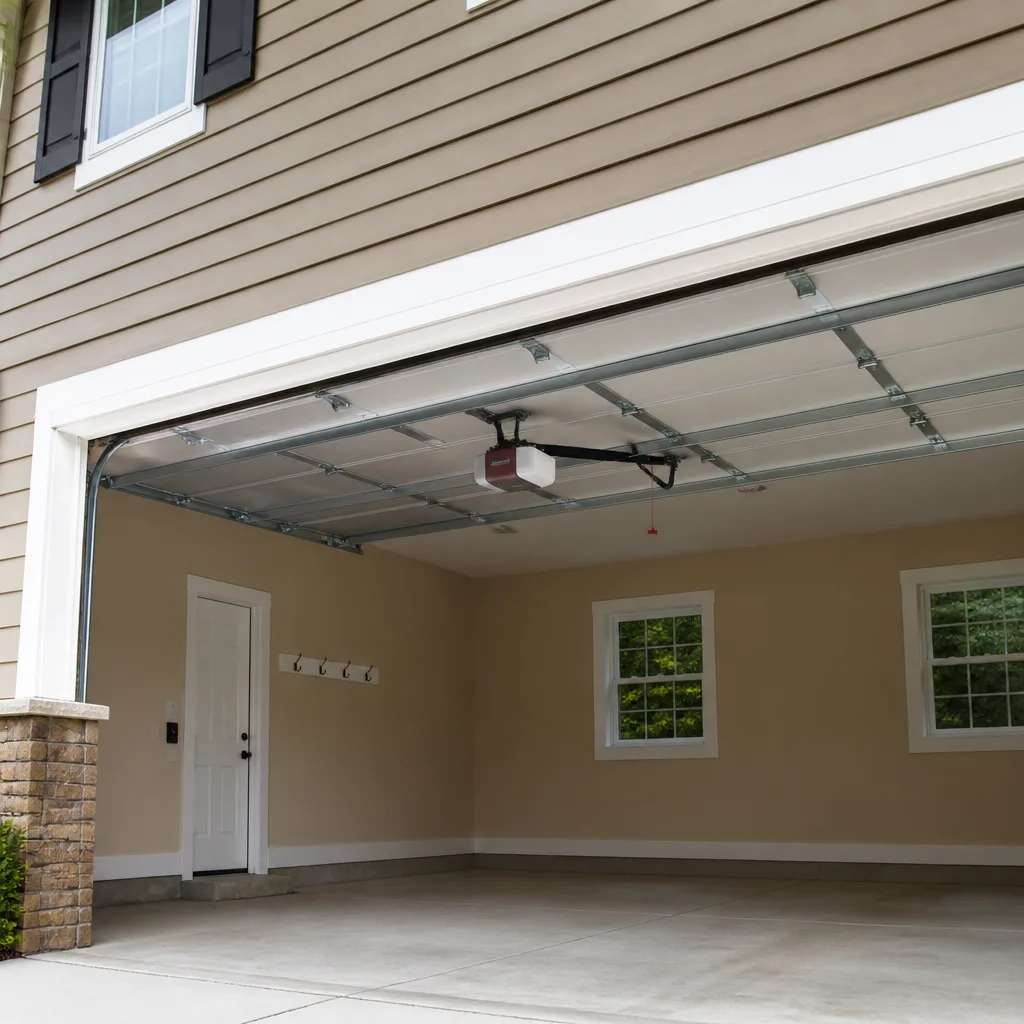 LiftMaster openers
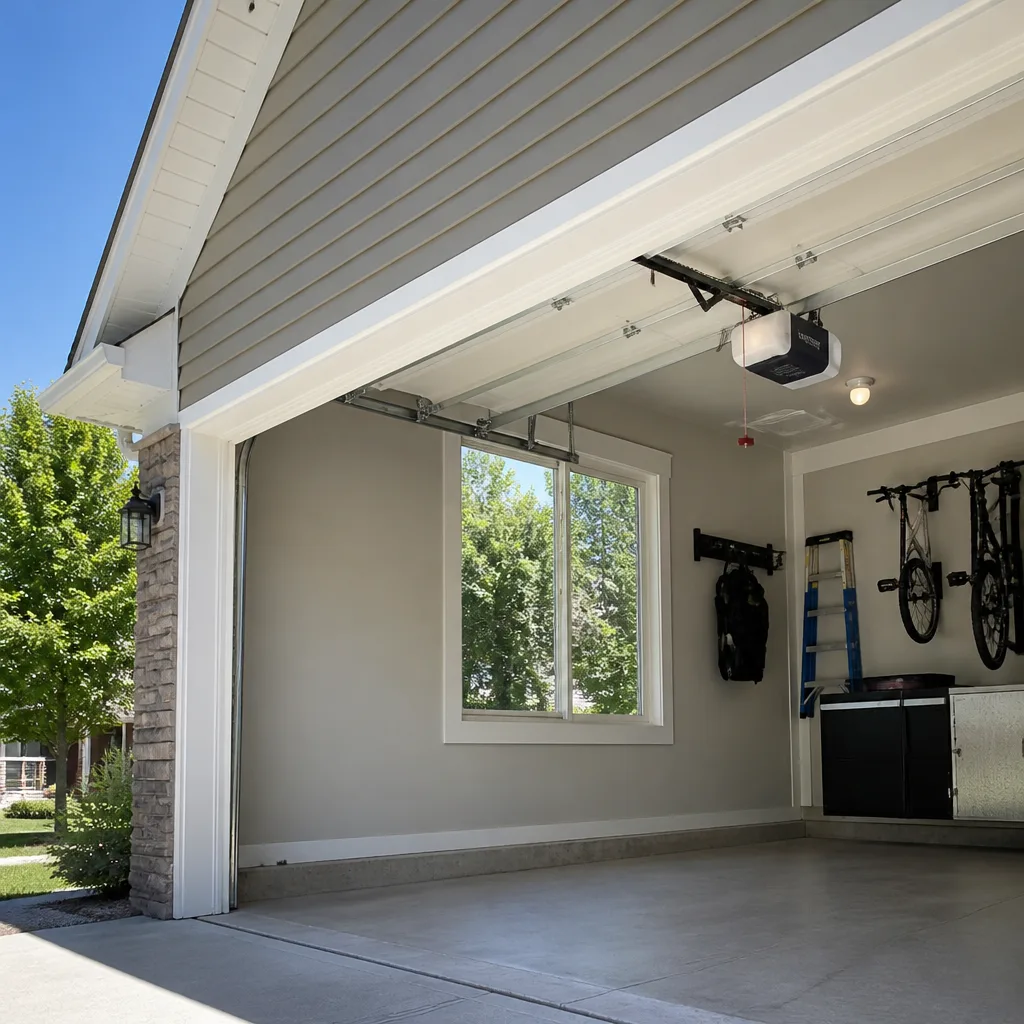 Chamberlain openers
Full 25-point door and opener safety check with every visit - springs, cables, rollers, tracks, and your LiftMaster or Chamberlain opener included
You get a price before we start. It does not change when the pro arrives.
Get your free estimateSeasonal Garage Door Care for Colorado Springs: Year-Round Homeowner’s Guide
Most garage door advice assumes four tidy seasons, and that assumption quietly costs Colorado Springs homeowners money. Our weather doesn’t run a calendar. It runs a hail season, a freeze-thaw cycle that repeats more than fifty times a year, a spring mud and grit season, and a summer sun that hits harder at this elevation than anywhere most door manufacturers test for. Each one attacks a different set of components, and each one asks something different of you. A part that lasts a decade in Phoenix often wears out in five or six here. This guide maps the whole year for Colorado Springs, month by month and component by component, so you know what to check and when.
Quick Answer
Seasonal garage door care in Colorado Springs means concentrating on four distinct stress windows: spring freeze-thaw (bottom seals, cables, rollers), late-spring through summer hail and UV (panels, weatherstrip, finish), early fall (hardware, tracks, opener force settings), and late fall (battery backup, lubrication, weather sealing before the deep cold). Cycle your door monthly, inspect seals and cables after every major freeze and hailstorm, and have springs and cables handled by a trained technician. That’s the short version; the rest of this guide is the detail.
Styles & brands we work with
- Raised-panel steel
- Carriage house
- Modern flush
- Full-view glass
- LiftMaster openers
- Chamberlain openers
Table of Contents
- How Colorado Springs’ Freeze-Thaw Cycle Wears Out Your Garage Door
- Month-by-Month Task Map for Your Garage Door
- Why Spring Thaw Is the Risk Window for Bottom Seals and Cables
- Post-Hailstorm Panel Inspection: Reading Dents and Seal Contact
- Summer UV Management: Finishes and Weatherstrip That Survive the Altitude Sun
- Pre-Winter Opener Prep for Cold Climates
- A Simple Maintenance Routine Any Homeowner Can Do
- Common Mistakes to Avoid
- When to Call a Professional
- Frequently Asked Questions
How Colorado Springs’ Freeze-Thaw Cycle Wears Out Your Garage Door
Colorado Springs logs more than fifty freeze-thaw days a year, and every one of them is a small workout for your garage door’s moving parts. When the temperature drops below freezing, metal contracts. When it climbs back above, that metal expands again. Multiply that by fifty-plus cycles and your bottom seal, rollers, and cable drums are the parts that feel it first. This is why components rated for a comfortable decade in a mild climate often need attention in five to six years here.
The metal doesn’t fail all at once. It fatigues. Rollers develop flat spots and start grinding. A bottom seal hardens, loses its flexibility, and stops mating cleanly with the floor. Cable drums wear in a pattern that eventually stops tracking smoothly. None of this throws an error code; it just makes the door louder, slower, and slightly out of balance, and those small complaints are the early warnings worth listening to. A little seasonal attention in Colorado Springs turns each of those complaints into a quick adjustment instead of a mid-winter breakdown.
Altitude adds a wrinkle the flatland guides miss. The air is thinner, so thermal swings bite a little differently, and the sun’s ultraviolet intensity runs higher than it does at sea level. Materials built to survive a coastal or lowland climate are being asked to do more here, and the ones that hold up are the ones installed and maintained with that in mind.
- Bottom seal: hardens and shrinks faster with repeated freeze-thaw, so it stops sealing well before it looks worn out.
- Rollers: metal rollers pit and flat-spot; the grinding noise is friction, not character.
- Cable drums and cables: contract and expand until tracking drifts and cables fray.
- Weatherstrip and trim: cracks where flexing meets cold, letting wind and grit inside.
Month-by-Month Task Map for Your Garage Door
A generic “spring, summer, fall, winter” checklist is too coarse for this climate. Here’s how we’d schedule the year if it were our own door in Colorado Springs, keyed to the actual weather windows that do the damage.
- January and February: Run the door once a week and listen for new noises. Cold is when tired parts fail, so catch the grinding roller or stiff seal now. Avoid forcing a sluggish door; that’s the sign of a cold-bogged opener or a binding track.
- March and April: Spring thaw. This is the big one. Inspect the bottom seal for gaps, mud infiltration, and ground heave, and check cables for fraying and drums for worn tracking. Clear grit from the tracks after any mud splash.
- May and June: Hail season overlaps with the start of intense UV. Inspect panels after every significant hailstorm, and check weatherstrip for sun cracking. Lubricate hinges, rollers, and springs to keep everything moving smoothly into summer.
- July and August: Peak sun and the hottest stretches. Watch for fading or chalking on panel finishes and cracking in the weatherstrip. Keep the opener’s photo-eye sensors clean, since dust and pollen build up fast.
- September and October: Prep window. Tighten hardware, check track alignment, and test the opener’s force and travel limits before cold sets in. Address any panel damage or seal wear before temperatures drop.
- November and December: Deep cold arrives. Test the opener’s battery backup, confirm the door is balanced (a door that lifts by hand easily and stays put isn’t fighting its springs), and make sure the bottom seal seats fully on a cold, possibly heaving floor.
That’s two dozen small checkpoints across the year, and most take under five minutes. The ones that turn into real repair work usually announce themselves early.
Why Spring Thaw Is the Risk Window for Bottom Seals and Cables
Spring thaw is the most dangerous time of year for your bottom seal and the hardware it protects, and it has nothing to do with use and everything to do with the ground moving under your door. As the frozen soil below and around the garage slab thaws, the ground heaves and settles. That movement pushes grit and mud toward the door opening, and it shifts the contact line where the seal meets the floor. A seal that sat flush all winter suddenly has a gap letting in wind, snowmelt, and water. On the hardware side, cable drums and rollers are finishing their cold contraction cycle just as grit starts finding its way into the tracks.
Mud infiltration is the leading cause of bottom-seal failure after winter. The grit works into the rubber, keeps it from settling into its usual seat, and slowly grinds at the edges. If you see dirt packed along the base of the door or a visible seam of light under the seal, that’s the signal to act. A clean, intact seal also keeps water from running toward the garage floor and everything you store on it.
What to check as the ground thaws
- Look for daylight or a draft line under the closed door, especially at one end where the floor may have heaved.
- Wipe the seal edges clean and check for grit that’s begun to lodge in the rubber.
- Sweep or vacuum grit out of the tracks after any muddy meltoff.
- Listen for grinding or scraping as the door opens; grit in the rollers and drums makes noise.
Spring thaw is a good time for a professional inspection, because cables and drums are where the risk concentrates. A frayed or poorly seated cable is a safety issue that shouldn’t be ignored, and it’s not a job for a homeowner with a toolbox. More on that in the safety notes below.
Post-Hailstorm Panel Inspection: Reading Dents and Seal Contact
Hail is the seasonal event most Colorado Springs homeowners think about first, but the inspection after a storm matters more than the storm itself. A door that takes a few dings can still be entirely functional, or it can have damage that quietly compromises how it seals, aligns, and moves. The difference is often invisible from the driveway, so a closer look after each significant hailstorm is worth the few minutes.
Panel dents come in two flavors. Shallow dents that bounce back and leave the panel surface smooth are usually cosmetic and don’t affect operation. Dents that crease the steel, crack the finish, or deform the panel’s edge can be a problem: a creased edge can bow the panel enough to throw off seal contact or track alignment. That’s where cosmetic damage turns into functional damage.
A three-step post-storm check
- Scan the panels for depth. Run your hand lightly across any dent and look for a crease line, cracked paint, or a sharp edge. A soft dimple is usually cosmetic; a crease or finish crack warrants a closer look.
- Close the door and check seal contact. Any gap, draft, or daylight line, especially where the dented panel sits, tells you the panel is bowing enough to break the seal.
- Cycle the door and listen. If it’s suddenly louder, stiffer, or uneven, the damage may have knocked the panel or track out of alignment.
Sky-high UV can also make finish damage from hail worse over time, since a cracked finish exposes the steel beneath to sun and moisture. If a dent has cracked the paint, treat it as more than a cosmetic issue. When in doubt, a quick professional inspection tells you whether a panel needs replacing or just a finish touch-up. Amarr and Wayne Dalton panel systems are both common on doors in this area, and matching a replacement panel correctly is part of keeping the door looking and sealing right.
Summer UV Management: Finishes and Weatherstrip That Survive the Altitude Sun
Colorado Springs sits high enough that ultraviolet intensity runs higher than at sea level, which means the summer sun here fades, chalks, and cracks materials faster than the manufacturers’ lowland test cycles predict. Panel finishes and weatherstrip take the brunt. The good news is that the right finish and the right seal material hold up for years, while the wrong ones start cracking within a couple of seasons.
On panel finishes, factory-applied baked-on coatings hold up far better than field-painted or low-grade finishes. A quality baked-on finish from a professional-channel brand like Raynor resists chalking and fading longer than an economy finish. If your door’s finish is fading or chalking, that’s a sign the protective layer is wearing away and the steel underneath is starting to see the elements. A refinish can buy time, but where the steel itself is showing through, a panel replacement is the cleaner fix.
Weatherstrip is where the choice really matters. Cheap foam or low-grade vinyl cracks and hardens under intense UV within a season or two. A good-quality vinyl or rubber seal holds its flexibility far longer. When the weatherstrip around your door frame cracks, the door starts letting in wind, water, and grit, and that grit does the slow damage described earlier. It’s worth checking the entire perimeter, not just the bottom seal, after the peak sun months.
- Check for fading and chalking on panel finishes, especially on the sun-facing side.
- Look for cracking and hardening in the weatherstrip along the sides and top of the opening.
- Keep the photo-eye sensors clean as dust, pollen, and grit build up in summer.
- Lubricate hinges and rollers so dry heat doesn’t accelerate wear.
Pre-Winter Opener Prep for Cold Climates
Cold-climate opener prep is the step most homeowners skip, and it’s the one that separates a quiet January from a dead door on the coldest morning of the year. Three things matter most before temperatures drop: the battery backup, the force-sensitivity setting, and understanding why a standard motor bogs down when it gets cold. A little prep in the fall catches all three.
Battery backup first. If your opener has a battery backup, test it before the cold sets in. Many modern smart openers from the LiftMaster and Chamberlain myQ family, along with Genie Aladdin Connect systems, include backup, but a battery that’s gone soft over the summer won’t do much for you in a cold-weather power outage here, and power interruptions are part of the local reality. Test it the way the manufacturer recommends and replace it if it doesn’t hold.
Force-sensitivity next. Cold stiffens cables, seals, and rollers, which means the door moves a little harder in winter. Openers are set with a force-sensitivity limit so they reverse if they hit an obstruction, and that limit needs checking before winter, not after. Set too tight, the door struggles or reverses on its own; set too loose, the safety feature is compromised. We adjust this every fall because a setting that works at 70°F can fail at 20°F.
Why standard motors bog down below 10°F
Below about 10°F, the grease in the opener’s gears thickens and the door’s moving parts stiffen, so the motor has to work harder to meet its force limit. A tired motor or a poorly adjusted opener gives up before the door does, and that’s the morning “click, nothing” call. Prevent it by keeping seals flexible, rollers lubricated, hardware tightened, and the opener force limit set correctly before winter, not after. A Craftsman opener from the earlier mechanical era can present the same problem as a modern smart unit; the fix depends on the model, and it helps to know your brand.
A Simple Maintenance Routine Any Homeowner Can Do
This is the low-risk stuff, and it buys you more than you’d expect. Everything below keeps the door moving smoothly and lets you spot a developing problem before it becomes a repair. No tools beyond a rag, a lubricant, and a broom.
- Cycle the door once a week. Run it up and down and listen for changes. New noises are your early-warning system.
- Lubricate hinges, rollers, and springs monthly. A proper garage-door lubricant, not cooking oil or WD-40 in place of it, keeps moving parts from grinding.
- Keep the tracks clean. Sweep or vacuum grit and debris, then wipe with a damp cloth. Don’t lubricate the tracks themselves; they’re meant to be clean and dry.
- Check the bottom seal monthly. Look for gaps, grit, and cracks. A clean, intact seal keeps water and wind out and puts less strain on the rest of the system.
- Clean the photo-eye sensors. A soft rag on the two sensors near the floor keeps the safety reverse working.
- Test the safety reverse. Close the door on a small object; it should reverse immediately. If it doesn’t, that’s a call-us item.
- Walk the perimeter in fall. Check weatherstrip, panels, and hardware before the cold sets in, and address anything worn.
That’s about fifteen minutes a month, and it prevents most of the costly calls. The parts it does not cover are springs and cables, and there’s a reason for that.
See the difference
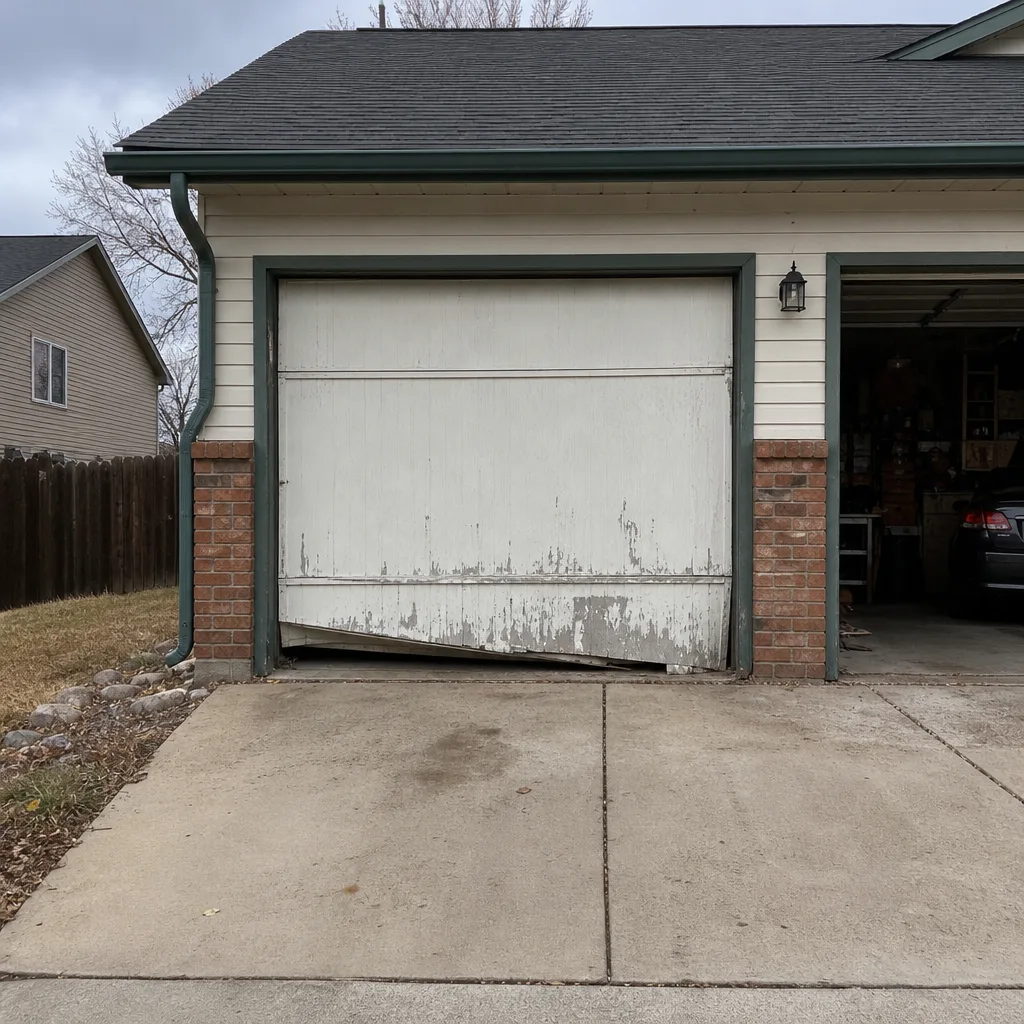 Before
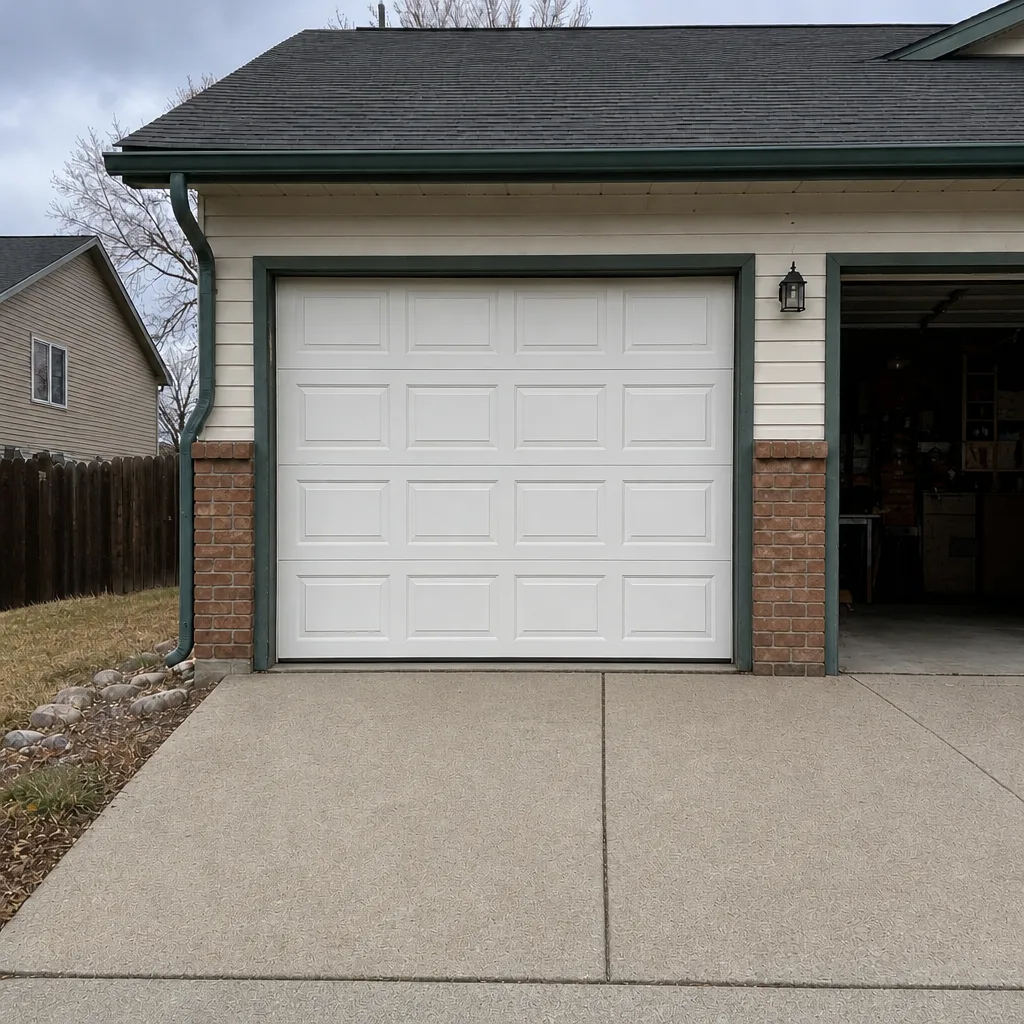 After
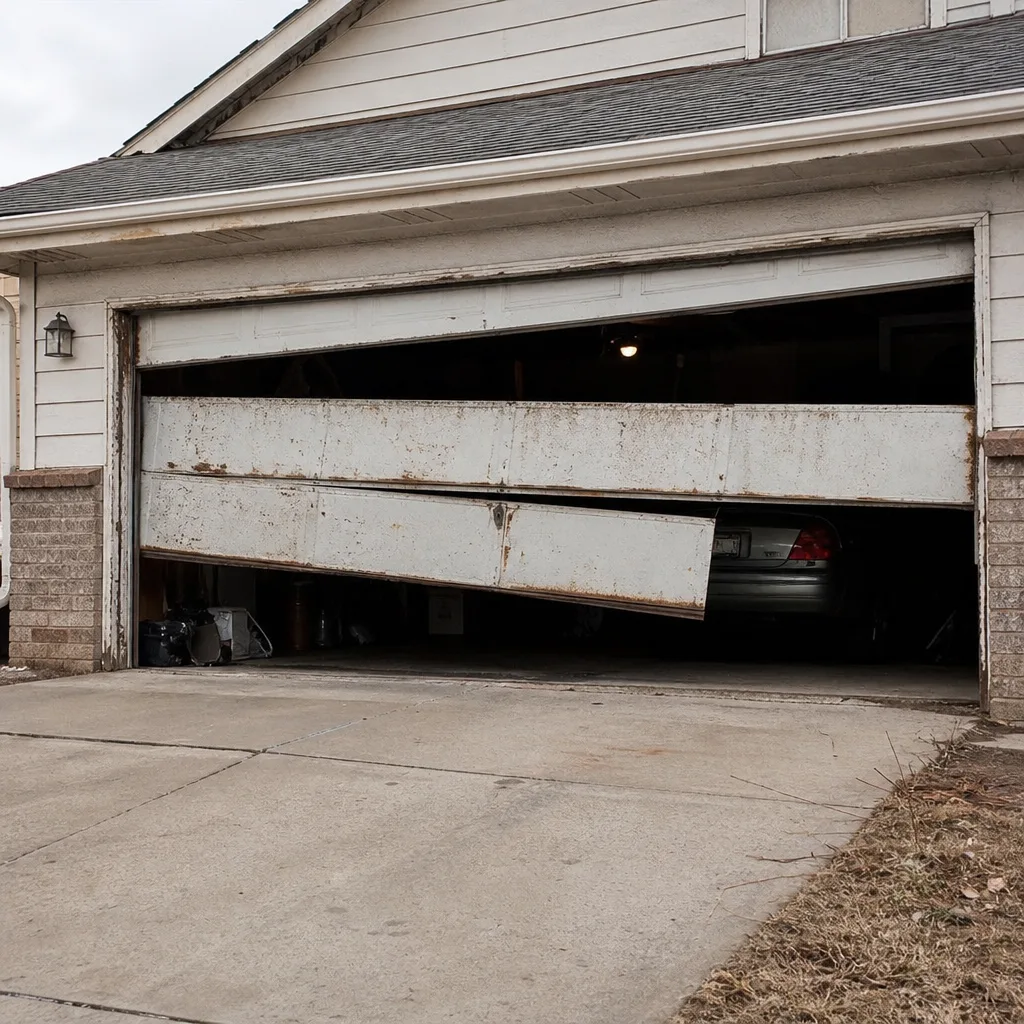 Before
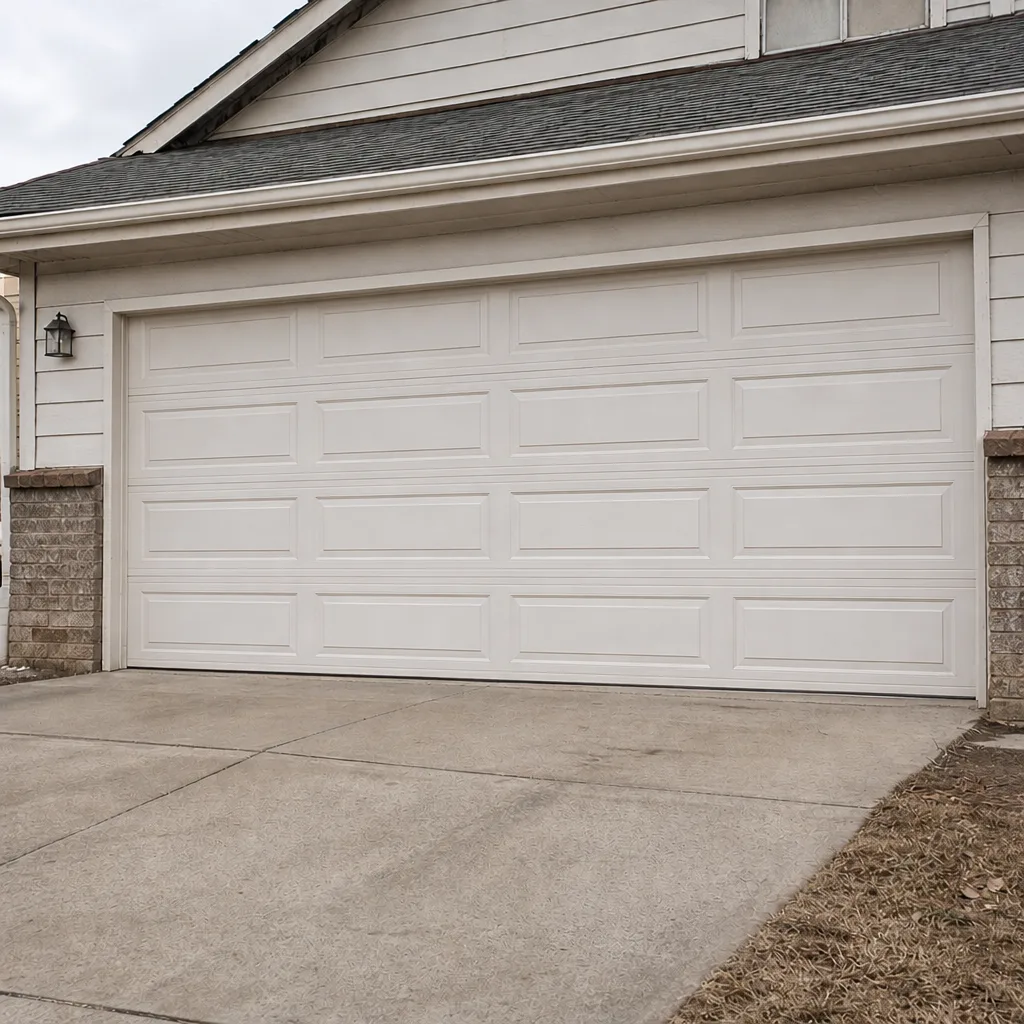 After
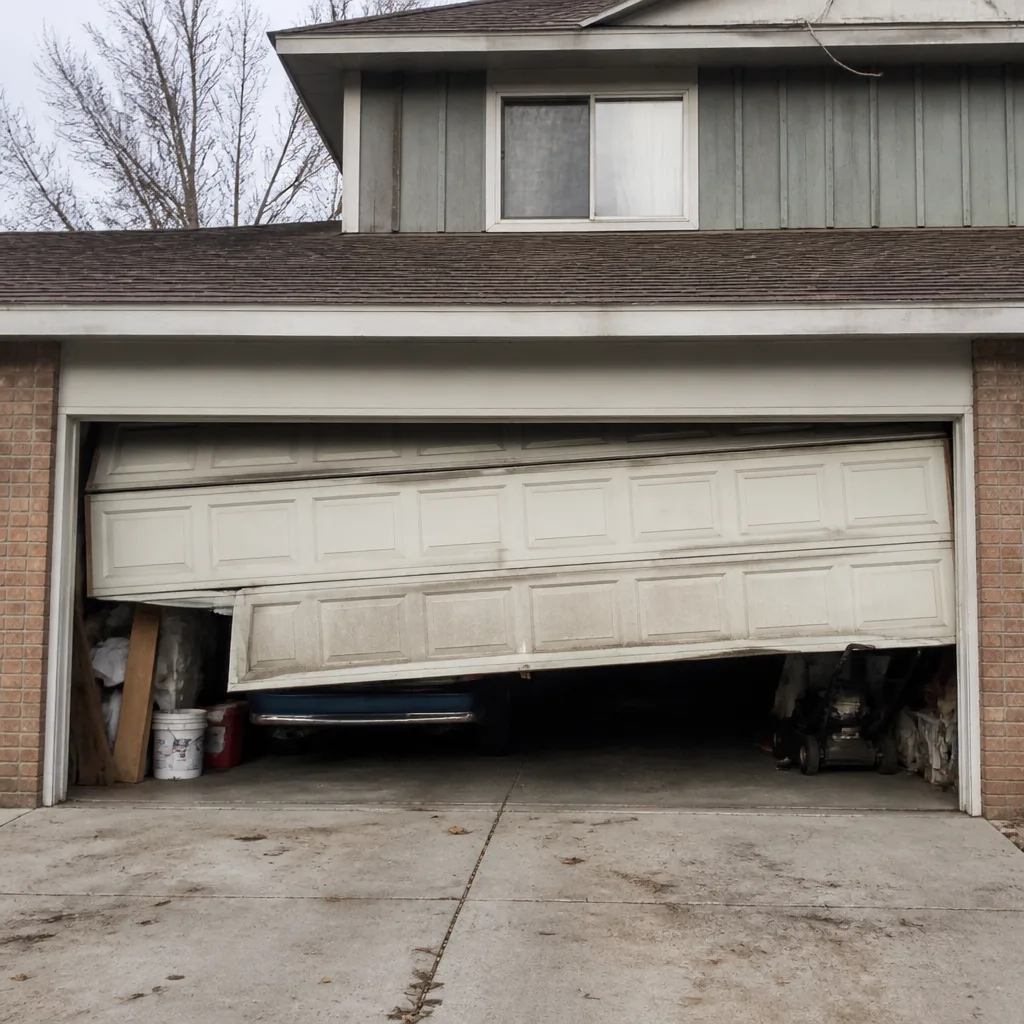 Before
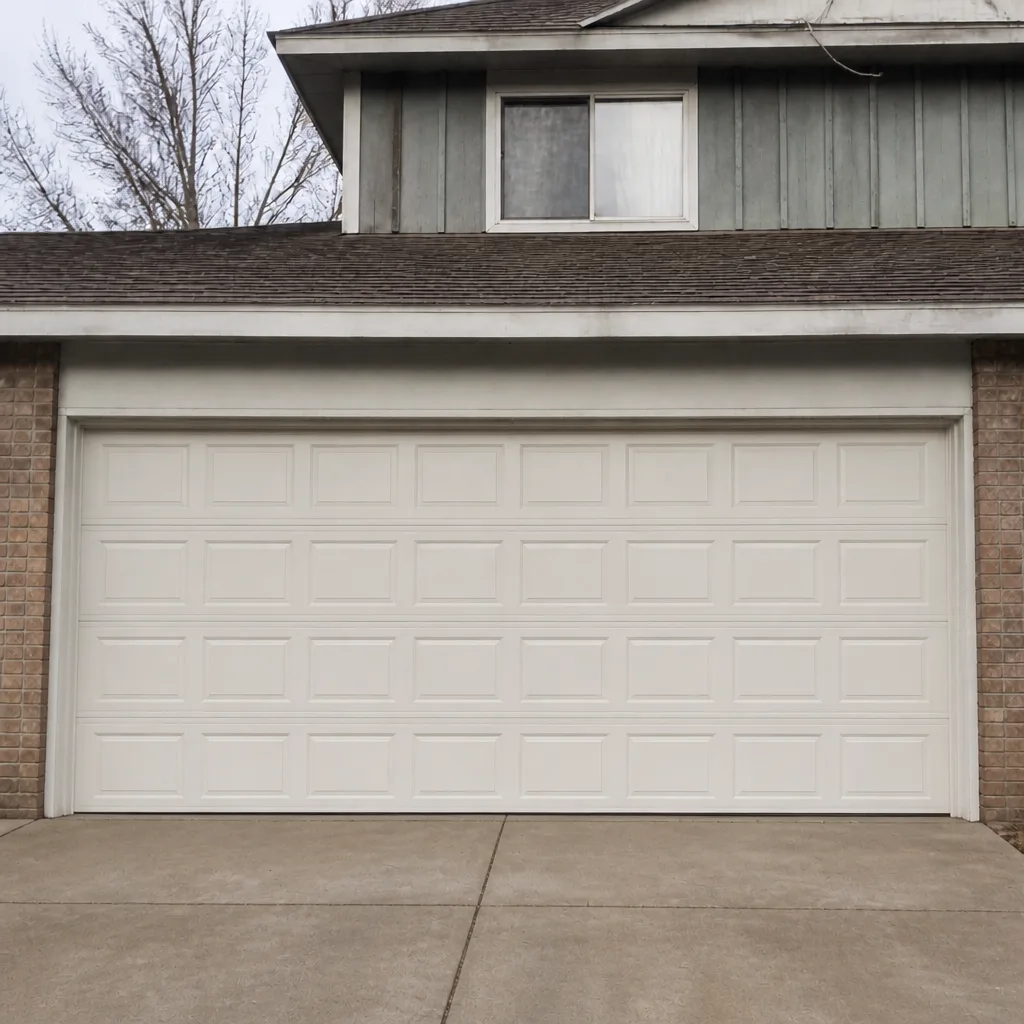 After
Safety: What to Leave to a Technician
Garage door springs and cables are under extreme tension. The torsion springs above your door are wound tight enough to do serious harm if a cable or a spring slips while you’re working on it, and that’s true even for a door that looks fine. Cables can snap without warning. We never recommend homeowner work on springs, cables, or the drums they run on. Leave those to a trained technician every time. If a cable is frayed, a spring is broken, or the door suddenly feels heavy or falls fast, stop using the door and call a professional rather than trying to adjust it yourself.
If your opener or door has a problem and you’re not sure whether it’s a DIY job or a professional one, the answer for anything involving tension, alignment, or electrical work is professional. When it’s a smart opener, a brand-specific replacement part, or a full door replacement, the right call is one that Westbrook Garage Door Repair handles across the brands we know, from torsion springs to circuit boards.
Common Mistakes to Avoid
- Ignoring the bottom seal after thaw. A hard, gappy seal lets in wind, water, and grit all summer. That grit is what slowly grinds rollers and drums, so a cheap seal turns into a real repair.
- Skipping the post-hail inspection. A dent that creases a panel edge or cracks the finish can bow the panel enough to break seal contact. It looks cosmetic, but it’s the beginning of a sealing problem.
- Greasing the tracks. Tracks are meant to be clean and dry; lubricant collects grit and accelerates wear. Keep the tracks clean and the moving hardware lubricated.
- Running a door that’s out of balance. A door should lift by hand easily and stay put partway open. If it won’t stay, the springs are working harder than they should, and the opener is doing work it wasn’t designed to do.
- Skipping the battery backup test in fall. Power interruptions and cold mornings come together here, and a dead backup battery leaves you stranded. Test it before winter, not after.
- Adjusting spring or force settings without a professional. Twist the wrong thing and the safety reverse or the balance changes in ways you can’t see. Force settings and spring tension are technician territory.
- Choosing an economy weatherstrip for the altitude sun. Cheap foam or low-grade vinyl cracks and hardens within a season or two here. A quality seal costs a little more and lasts years longer.
When to Call a Professional
Some jobs reward a few minutes of homeowner attention, and some are simply a technician’s. Call us when a cable is frayed or a spring is broken; when the door lifts hard, falls fast, or won’t stay partway open; when an opener reverses on its own or refuses to open at all; when a hailstorm has creased a panel or cracked its finish; or when the bottom seal keeps letting in wind and water no matter how you adjust it. For a connected smart opener that won’t pair or misbehaves, our garage door opener repair team is comfortable with the LiftMaster and Chamberlain myQ ecosystem and the Genie Aladdin Connect platform, and we work across legacy and current models. If a panel or seal job grows into a full replacement, the same team carries it from the first call to the new door. Westbrook Garage Door Repair offers free estimates in Colorado Springs, and our technicians have up to 11 years of experience across all the seasons this climate throws at a door.
Frequently Asked Questions
Inspect after every significant hailstorm, especially the larger ones in late spring and summer. Walk the panels for dents, creases, and finish cracks, then close the door and check for gaps or a draft line under the seal. That few-minute check tells you whether a dent is cosmetic or has begun to compromise panel integrity and seal contact. If anything looks creased or cracked, call (855) 473-9096 for a free inspection and an honest assessment.
Spring thaw is the leading cause of seal failure here because frozen ground heaves and then settles, moving mud and grit into the door opening and shifting the contact line where the seal meets the floor. The grit lodges in the rubber, and the seal stops mating cleanly. If you see daylight or a draft under the closed door after the thaw, the seal needs cleaning or replacement. Call (855) 473-9096 for a free estimate.
It can, and faster than most lowland guidance suggests. UV intensity at this elevation is higher, and economy foam or low-grade vinyl weatherstrip hardens and cracks within a season or two. A quality vinyl or rubber seal holds up far longer. Check your perimeter weatherstrip for cracking and hardening after the peak sun months, and call (855) 473-9096 if you’re not sure what you’re looking at.
Yes, and fall is the right time. Power interruptions and cold mornings tend to come together here, and a battery backup that has gone soft over the summer won’t get you out of the garage. Test it the way the manufacturer recommends and replace it if it won’t hold. If your opener is a smart model and you’d like help checking it, our garage door repair team can help; call (855) 473-9096.
You can safely lubricate hinges, rollers, and springs with a proper garage-door lubricant once a month, and keep the tracks clean and dry. But do not attempt to adjust springs, cables, or force settings. Those parts are under extreme tension and the settings are safety-critical. For anything involving tension or alignment, call (855) 473-9096 for a free estimate.
Below about 10°F, thickened grease and stiff door parts make the motor work harder, and a tired or poorly adjusted opener gives up before the door does. Fall prep fixes most of it: keep seals and rollers flexible, tighten hardware, and have the force-sensitivity limit checked by a technician. If the door still struggles, call (855) 473-9096.
The Bottom Line
Colorado Springs doesn’t give your garage door a four-season break. It gives it a hail window, a freeze-thaw cycle, a spring mud season, and an altitude sun that all hit different parts in different months. The homeowners who get the most years out of their doors and openers aren’t doing anything heroic; they’re checking the right things at the right time. Watch the seal after the thaw, scan the panels after a hail storm, size up the weatherstrip after peak sun, and prep the opener before the deep cold. Save the springs and cables for a trained technician, and have your door inspected once a season if you’d rather not climb a ladder. That’s the whole routine, and it’s what keeps a door working the way it should in this climate.
Written by the team at Westbrook Garage Door Repair.
Contact
If seasonal wear has caught up with your door, or you’d like an honest assessment before it does, call Westbrook Garage Door Repair at (855) 473-9096 for a free estimate. We work on your brand across repair, opener repair, and full installation, from broken spring to brand-new door. Call (855) 473-9096. We answer 24/7. Fast dispatch from 7am to 7pm, Sunday through Friday. For more on our services in the area, visit our Westbrook Garage Door Repair home page, and see our full range of services for Colorado Springs.